1. The Launch That Shook the World: Sputnik’s Legacy
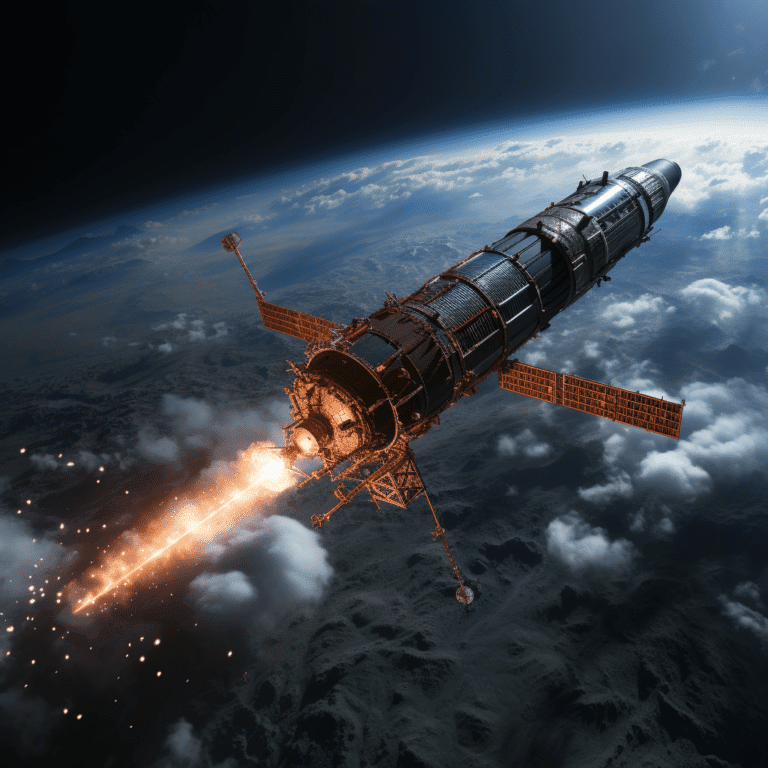
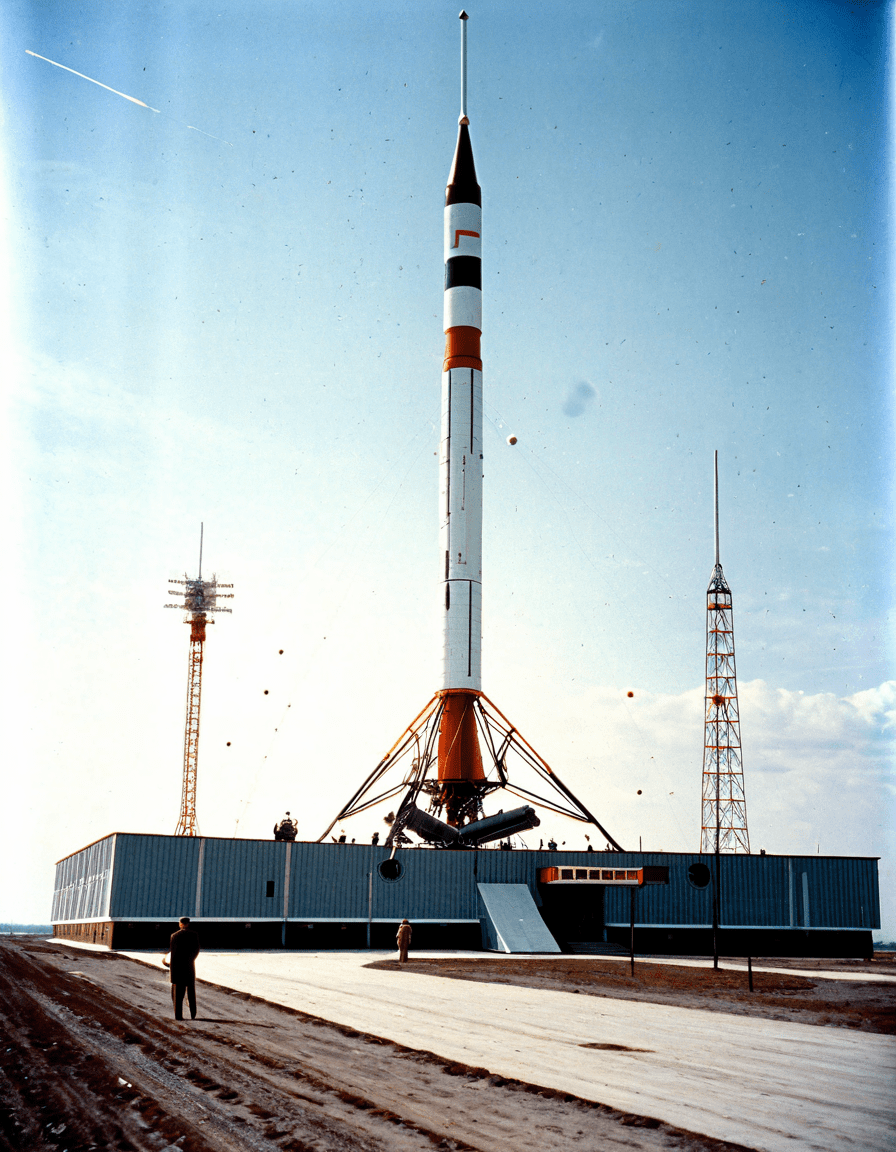
On October 4, 1957, the launch of Sputnik rattled the globe, marking the dawn of the space age and altering the trajectory of exploration forever. This was no ordinary satellite; it was the first artificial satellite ever sent into space. Sputnik was more than just a scientific innovation; it symbolized the start of the Space Race between the United States and the Soviet Union, a fierce competition that would test the limits of technology and human ambition.
The very existence of Sputnik acted as a wake-up call for America. It raised questions about national security and technological superiority, forcing the U.S. to take significant strides forward in science and education. The consequences were immediate: the establishment of NASA (National Aeronautics and Space Administration) and a renewed emphasis on STEM (Science, Technology, Engineering, and Mathematics) education. This innovation was aimed at ensuring America wouldn’t fall behind in the face of increasing global pressure.
While Sputnik might seem like a relic of the past, it remains a cornerstone of modern scientific exploration. The launch inspired countless individuals and organizations to engage with technology, fostering a generation of thinkers and innovators. As we cast our eyes towards the stars today, we owe a nod to that first metallic marvel, Sputnik.

2. Top 7 Cultural Icons of the Era Sparked by Sputnik Influence
The launch of Sputnik heralded a new cultural zeitgeist, inspiring across various industries. This period resonated through media, art, and the collective imagination, influencing everything from film to television. Here are seven cultural icons shaped by the spirit of that pivotal moment:
3. The Technological Innovations Prompted by Sputnik’s Existential Threat
The launch of Sputnik jolted America, shining a spotlight on vulnerabilities in technology and military preparedness. This sent ripples throughout various industries, igniting an innovation race. Sputnik was more than a satellite; it became a catalyst for significant advancements in telecommunications, earth observation, and satellite technology that are integral to our lives today.
Consider the advancements in GPS systems that track our every move, or the modern-day representation of weather patterns thanks to satellites. These technologies owe their existence to the fervor and urgency spurred by Sputnik. The satellite also pushed for improved defense systems and heightened readiness within the military framework, which are critical components of national security.
This existential threat birthed technological giants that continue shaping our world today, ensuring that the colossal ramifications of Sputnik are felt beyond the laboratory or classroom. It laid the groundwork for the digital transformation we experience, driving home that understanding our technological landscape is more vital than ever.

4. Global Educational Shifts in the Aftermath of Sputnik
The anxieties unleashed by Sputnik didn’t just breed fear; they ignited a thirst for education. The United States responded with an overhaul in science and math education, epitomized by the National Defense Education Act of 1958, which pumped funding into educational institutions. With an aim to bolster America’s position on the global stage, this act ensured that students were not only aware of scientific insights but were actively engaged in them.
STEM became the cornerstone of American education. Schools began investing in laboratories and creating programs that’d stir students’ interest in the sciences. The assembly lines of future scientists, engineers, and inventors emerged from these classrooms, inspired by the audacity of Sputnik.
And let’s not forget the push for critical thinking—a skill that would allow students to analyze not just facts, but the underlying implications of technological advancement. The educational reforms prompted by Sputnik weren’t just about facts and figures; they were about cultivating a society prepared for future challenges.
5. The Geopolitical Ramifications: The Space Race
Sputnik’s launch did not just set off a technological revolution; it intensified geopolitical tensions. To the U.S., this was no simple satellite; it was seen as a technological weapon that could threaten national security. In response, the U.S. ramped up espionage efforts and military readiness. This heightened vigilance was necessary, as Sputnik acted as a stark reminder that America had to prove itself on the world stage.
The formation of NASA and the development of early missions such as the Mercury and Apollo programs were, in part, a direct response to Sputnik. These efforts showcased America’s commitment to not just catching up, but leading the charge in space exploration. The iconic words of President John F. Kennedy in 1961, declaring that America would land a man on the moon, echo the sentiments born from Sputnik’s legacy.
The geopolitical stakes could not be higher. The space race became a defining component of the Cold War, serving both as a battleground for technological prowess and a symbol of ideological difference. The ramifications of Sputnik extended far beyond the launch pad, shaping the very fabric of international relations and strategic planning.
6. Cultural Reflections: How Sputnik Influenced Art and Media
The artistic landscape was undeniably transformed in the wake of Sputnik. The themes of exploration and the unknown spilled into various forms of media, influencing both filmmakers and musicians. The anxieties surrounding space travel were reflected in films and literature, with heightened explorations of human existence.
Movies began to address fears about technology and the future, often channeling the sentiments of a society on edge. We saw a surge of science fiction: from thoughtful critiques to whimsical hopes for tomorrow’s possibilities, all framed against the backdrop of our new reality as defined by Sputnik.
Music, too, echoed the cultural shift. Artists began to explore themes of freedom, adventure, and the unknown—capturing the excitement and fears tied to the space program. This intertwined sense of wonder with a dose of caution, an acknowledgment of the rapid changes Sputnik introduced to society.
Wrapping Up: Sputnik’s Role in Shaping Modern Society
Sputnik offered more than just a technological breakthrough. Its legacy stretches far and wide, impacting education, technology, media, and international relations. This single event became a catalyst for massive transformations in society, setting the stage for a deeper engagement with the cosmos and our place within it.
As we reflect on our advancements, we must remember the indomitable spirit of exploration ignited by Sputnik. It reminds us that every innovation carries the potential to reshape our future. We are still living in the shadow of that first satellite, forever changed by its inspiration.
In the end, Sputnik stands as a monument to the human spirit—an enduring symbol that tells us that from competition comes growth, from fear comes learning, and from exploration, our deepest understandings await. Let’s carry that spirit forward into the next chapters of our exploration—because if Sputnik taught us anything, it’s that the sky’s just the beginning.
Sputnik: The Groundbreaking Satellite That Changed Space History
What You May Not Know About Sputnik
Did you know that Sputnik, the first artificial satellite, was launched on October 4, 1957? This iconic moment marked the start of the Space Age and sent shockwaves through the world, especially in the U.S. The satellite was a sleek, shiny sphere that transmitted beeping radio signals, capturing the imagination of people everywhere. In fact, the visual impact of the satellite was so striking that it could easily be compared to cinematic masterpieces—almost like the imagery from films such as Ghost in The Shell. Perhaps this satellite even inspired stories like Peter Pan, which encourages us to dream big and explore the unknown!
Sputnik’s beeping broadcast also created a lot of excitement but some worry, as it showcased Soviet prowess in technological advancement. This event led to the U.S. ramping up its own space efforts, influencing future projects, including but not limited to those that are set in 2025, like the anticipated Fantastic Four 2025. The competition heating up didn’t just push boundaries; it gave rise to innovations that changed our daily lives. Think about it; without Sputnik, there might be no satellites for GPS, no weather forecasts, and no TV signals. Our lives are, in a way, like a savory plate of chop Suey—mixed with different elements that all interact thanks to advancements born from the space race!
The Legacy of Sputnik
The impact of Sputnik went far beyond its initial launch. This small satellite ignited the imagination of scientists and dreamers worldwide, proving that space exploration was indeed possible. Just imagine if we hadn’t taken that leap; our technological landscape may have been entirely different. Sputnik laid the groundwork for the human desire to explore space, much like the engaging adventures found in Kung Pao: Enter the Fist, where unexpected twists continue to unfold.
Moreover, Sputnik represented the pinnacle of Cold War rivalry, a battle of ideas and innovation that’s as fierce as a match between two legendary figures—like The Undertaker and his formidable opponents in the WWE ring. The legacy of Sputnik is evident today, as nations continue to push the limits of exploration. Its success paved the way for future generations to dream big. Speaking of dreaming, many of us often think about personal goals, including financial ones, where personal loan interest rates can play a crucial role in turning our dreams into a reality! It’s fascinating how a simple satellite can connect us all in various ways, just as we’re connected through shared stories and experiences.