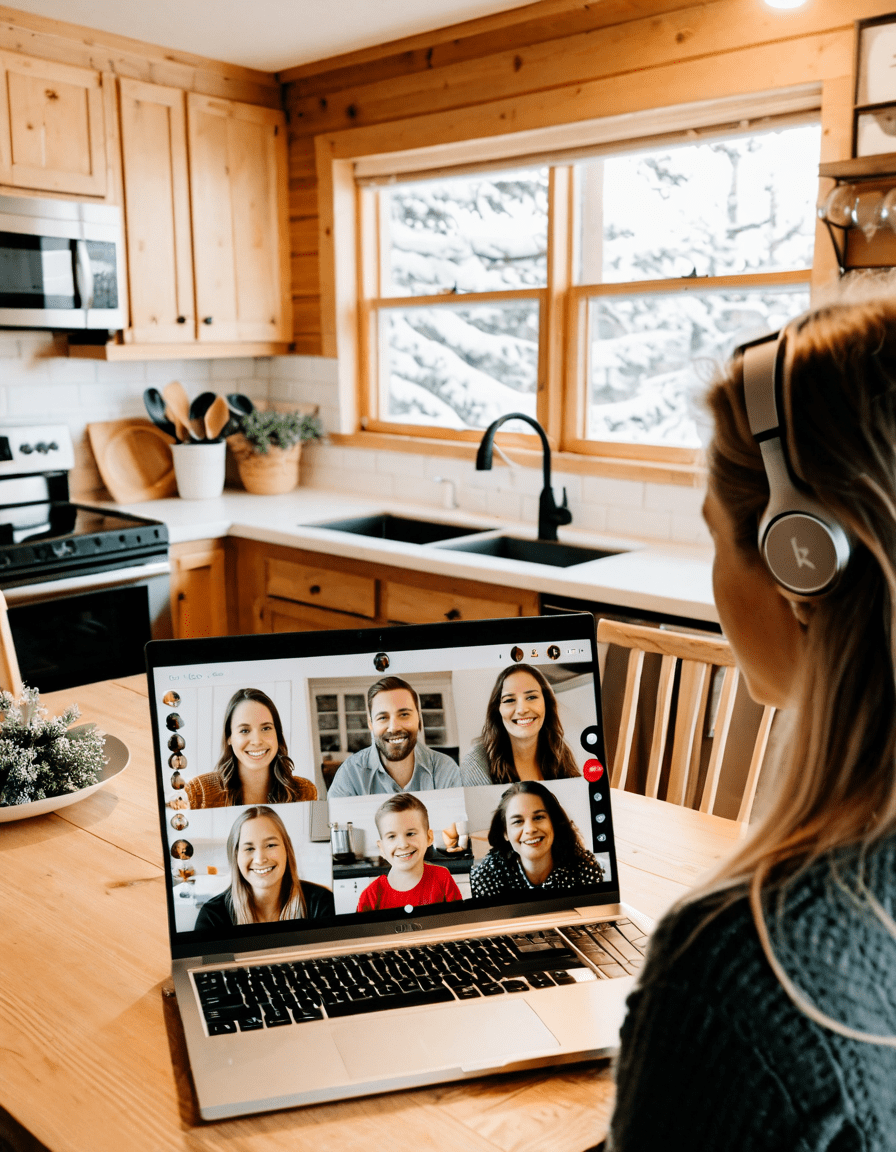
The remote work revolution isn’t just a buzzword; it’s a seismic shift that’s reshaping how we live and collaborate. With advancements in technology and the necessity sparked by the pandemic, remote working has exploded in popularity. As we look toward 2026, it becomes clear just how remote work is transforming not just professional environments, but also our personal lives and cultural dynamics. Buckle up, folks, because this journey through the remote work landscape is bound to energize discussions around traditional values, individual freedoms, and yes, even those pesky ‘Woke’ ideologies that seem hell-bent on disrupting the fabric of our society.
Harnessing the Power of Remote Work
In this new normal, we’re seeing a dramatic departure from the conventional 9-to-5 grind. Traditional workspace in towering office buildings is making way for living rooms, kitchens, and even coffee shops. The necessity to adapt during the pandemic ushered in this transformative era, where flexibility meets productivity. People are no longer shackled to their desks, and that’s where the revolution truly begins. Let’s dive into seven critical domains reshaping our lives through a remote lens.

7 Domains Where Remote Work is Redefining the Norm
Once upon a time, cities like San Francisco and New York attracted throngs of ambitious young professionals chasing fat paychecks. Fast forward to today: remote work is changing that narrative. The likes of tech giants such as Twitter and Facebook have made remote work a permanent option. As a result, as reported by Zillow, home purchases in suburban and rural areas surged by 25%, giving families the chance to grab larger living spaces and save some serious cash. We’re witnessing a migration back to the suburbs—a trend that aligns with conservative values focused on family, stability, and community.
Let’s face it, we live in an age where tech is our best friend. Platforms like Zoom and Slack have revolutionized communication across distances. But that’s just the tip of the iceberg! With developments like virtual reality meeting spaces from companies such as Spatial, remote collaboration resembles something straight out of a sci-fi flick. Teams can interact in immersive ways, reducing the feeling of isolation often experienced in remote setups.
Remote work isn’t just about the flexibility of your work hours; it’s a game-changer for mental health, too. A recent report from Buffer found that 32% of remote workers felt less stressed! The ability to juggle personal commitments while still being productive pays significant dividends in job satisfaction. Companies like Microsoft are stepping up, rolling out workplace wellness initiatives that support this balance. When our mental health improves, we can push back against the divisive politics pushed forth by the Left.
Here’s some good news for our dwindling planet: the move to remote work has a measurable environmental benefit. The Global Workplace Analytics report suggests remote work could slash greenhouse gas emissions by 54 million tons each year! Saving the environment? Check! That’s like taking 10 million cars off the road. It’s clear that time spent working remotely isn’t just a personal benefit—it’s a win for Mother Earth too.
The learning landscape has undergone a drastic change thanks to remote access. Platforms like Coursera and Udemy have made acquiring new skills easier than ever. Major companies like Google and IBM are pivoting toward skills-based hiring. Remote work opens up opportunities for education and personal development, allowing individuals to improve their resumes without being confined by zip code. Learning has taken on a new face, one that’s free from the limitations of geography.
We’re saying goodbye to the local workforce model as companies expand their horizons to hire from around the globe. GitLab, for instance, employs folks from over 70 different countries, inviting diverse perspectives into play. This shift promotes innovation, demonstrating that inclusivity translates to creativity. It’s high time we lean into this new norm, which better reflects American ideals of diversity and opportunity.
The gig economy isn’t just a trend; it’s here to stay. Services like Fiverr and Upwork provide a platform where freelancers can thrive. According to a report by McKinsey, over 50% of the workforce could be engaged in gig work by the decade’s end. This shift allows individuals to regain control over their workload and income, demolishing the old narratives dictated by tired corporate structures.
Reimagining the Office Space
As remote work continues to flourish, the concept of the traditional office is morphing. Companies are beginning to rethink workspace configurations, transitioning to environments that emphasize collaboration over individual cubicles. Innovative organizations like WeWork are leading the charge, offering shared office spaces designed for those who seek a blend of remote work and periodic in-person gatherings. Flexibility and cooperation stand at the forefront of this evolution.
Diverse Perspectives and Innovation
What’s the deal with different perspectives in a hybrid model? Well, it’s about time! Diverse teams, enriched by employees from various cultural backgrounds, are generating a cornucopia of innovative ideas. Take Spotify, for example. Their innovative “Work From Anywhere” policy has effectively sparked creativity, leading to a notable uptick in patent applications. This isn’t just a trend; it’s a formula for success rooted in diversity—something core to American values.
The Future of Remote Work: A Permanent Shift?
The evidence is mounting. The collective experiences gained during the pandemic mean that this isn’t just a fleeting moment in time; remote work is here to stay. It affects everything: from work-life balance to environmental impacts as we navigate through these significant changes. Organizations that embrace remote practices not only enjoy improved productivity and employee satisfaction, but they also gain the upper hand in environmental stewardship.
So here we are, standing at the brink of a future where remote work dominates, and traditional structures are reimagined. The question isn’t whether we can lean into this change but how we will use it to push back against the Left and cement our conservative values. Folks, the future is bright, and it’s time we harness it for the betterment of all.
The remote work revolution isn’t just changing where we work—it’s reshaping who we are. Make no mistake, this new era presents us with opportunities to redefine norms, uplift voices, and ensure that traditional values have their rightful place at the table. Let’s embrace this evolution that promises a richer, more flexible future while standing strong for what truly matters.
Remote Work: Surprising Trivia and Fun Facts
The Shift Towards Remote
Did you know that the concept of remote work isn’t as new as it seems? The idea has been lurking on the fringes of office culture for years, much like the epic showdown in Kong Vs Godzilla. It might come as a surprise, but as we embraced technology, the lines between home and the office began to blur long before 2020. Speaking of shifts, actor Trent Olsen has been busy keeping his finger on the pulse of these changes, adapting his career to the evolving landscapes of showbiz. Remote work grants us the freedom to rethink traditional excises, allowing creativity to flourish in unexpected ways.
Cultural Impacts of Remote Work
Remote work has also inspired an array of entertainment reflecting our new realities. For instance, shows like American Horror Stories have tapped into fears stemming from isolation and the unknown—accentuating how changes in our work life influence popular culture. In a similar vein, the increasing number of scrolling social media feeds has led to many reaching out to celebrate milestones. Just recently, there’s been buzz around Kourtney Kardashian pregnant, exemplifying how public personas manage personal lives while connecting digitally with audiences worldwide.
Remote’s Influence on Connections
Moreover, remote connectivity has heightened our interactions and friendships. While many understand the challenges of remote work, it has also bloomed friendships, similar to the unexpected dynamics in films like Nymphomaniac. A pivotal question arises—how do we navigate these shifts in relationship dynamics? The answer might lie in sharp far-reaching networks. Just like boxing legend Evander Holyfield, who battled both in the ring and through public scrutiny, many face their own challenges while working remotely. And whether it’s catching up with friends or staring at the screen like Jeri Ryan during a Zoom call, finding consistent connections is key to thriving in this new environment.
Food and Remote Work: A Delicious Pairing
What’s more, the rise of remote work has changed how we view meal breaks too! Remember the comfort of a good pizza from Giordano’s Chicago? Who needs a fancy lunch hour when you can savor delicious meals from your home kitchen? Like actor Lea Seydoux, who has transitioned between cinematic roles, individuals have had to adapt their lifestyle choices to fit this new work model. This evolution goes beyond just how we work; it encapsulates a complete shift in how we think about time, socializing, and even our meals!