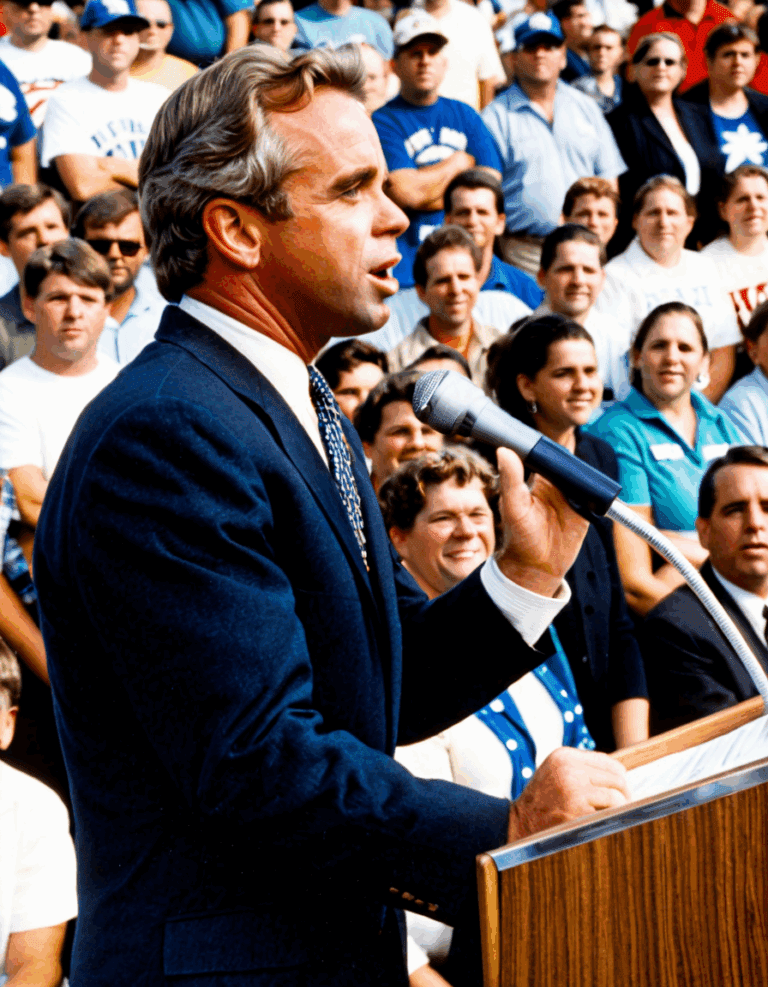
In the fast-paced society of 2026, workaholics are becoming a defining characteristic of the modern workforce. These individuals are marked by an obsessive drive to work excessively, often at the detriment of their personal lives. This phenomenon has grown, particularly in demanding fields like technology, finance, and media, where the pressure to continually deliver results feels relentless. As a culture, it’s essential we pause and critically evaluate the implications of work addiction and ask ourselves: are we pushing ourselves too far?
The Definition and Rise of Workaholics
Workaholism isn’t just about working long hours; it’s an overwhelming compulsion that sees individuals sacrificing their health and relationships for the sake of their jobs. Companies create environments that reward relentless productivity, turning what may have started as hardworking dedication into a form of addiction. In a post-pandemic world, where remote working has blurred the lines between home and office, the need to address this trend has never been more urgent.
Traditionally, hard work is a value rooted deep in the American ethos, but the landscape is shifting. The glorification of being busy creates an unhealthy cycle, as individuals feel compelled to demonstrate their commitment every waking hour. This is particularly true in tech startups that thrive on “always being available” mentalities. Change agents in our communities must advocate for healthier balances, or we risk perpetuating this cycle of burnout and mental fatigue.
Top 7 Signs You Might Be a Workaholic
You might be a workaholic if you habitually check your email late into the night. Tech giants like Microsoft have pioneered flexible working hours, but this often intensifies work cultures. Employees feel guilty for not being on call, leading to never-ending cycles of work.
Health neglect is second nature to many workaholics. Fast food chains, like McDonald’s, cater to this demographic by offering quick meals over healthier options, further entrenching unhealthy habits among those glued to their desks. This unhealthy cycle not only affects individuals but also strains healthcare systems as stress-related ailments skyrocket.
Like the characters in “Meet the Robinsons,” some workaholics focus so intently on career ambitions that they lose sight of the importance of relationships. Over time, this sacrifices quality time with family and friends, leading to loneliness and relationship strain that can break even the strongest bonds.
Many artists, like FKA twigs, thrive on passion and creativity, yet workaholics equate their worth to their output. They produce not out of love but obligation, often sacrificing their flair and zest for innovation. This misplaced understanding of success leads to burnout and a lack of fulfillment.
The notion that taking a vacation might set you back is a recurring theme among workaholics. The pressure to maintain productivity becomes overwhelming, especially in corporate environments that thrive on perpetual engagement.
Just as the characters from “Backyardigans” might take on too many roles in their imaginative play, workaholics frequently take on more than they can handle. This is especially prominent in industries that celebrate multitasking as a sought-after trait, making real success feel elusive.
Never-ending competition in workplaces, particularly in entertainment saturated with “ghettogaggers” and rising pornstars, drives individuals to constantly outdo their peers. The pressure to always do more can lead to both mental and physical exhaustion.
The Broader Impact: Cultural and Economic Implications
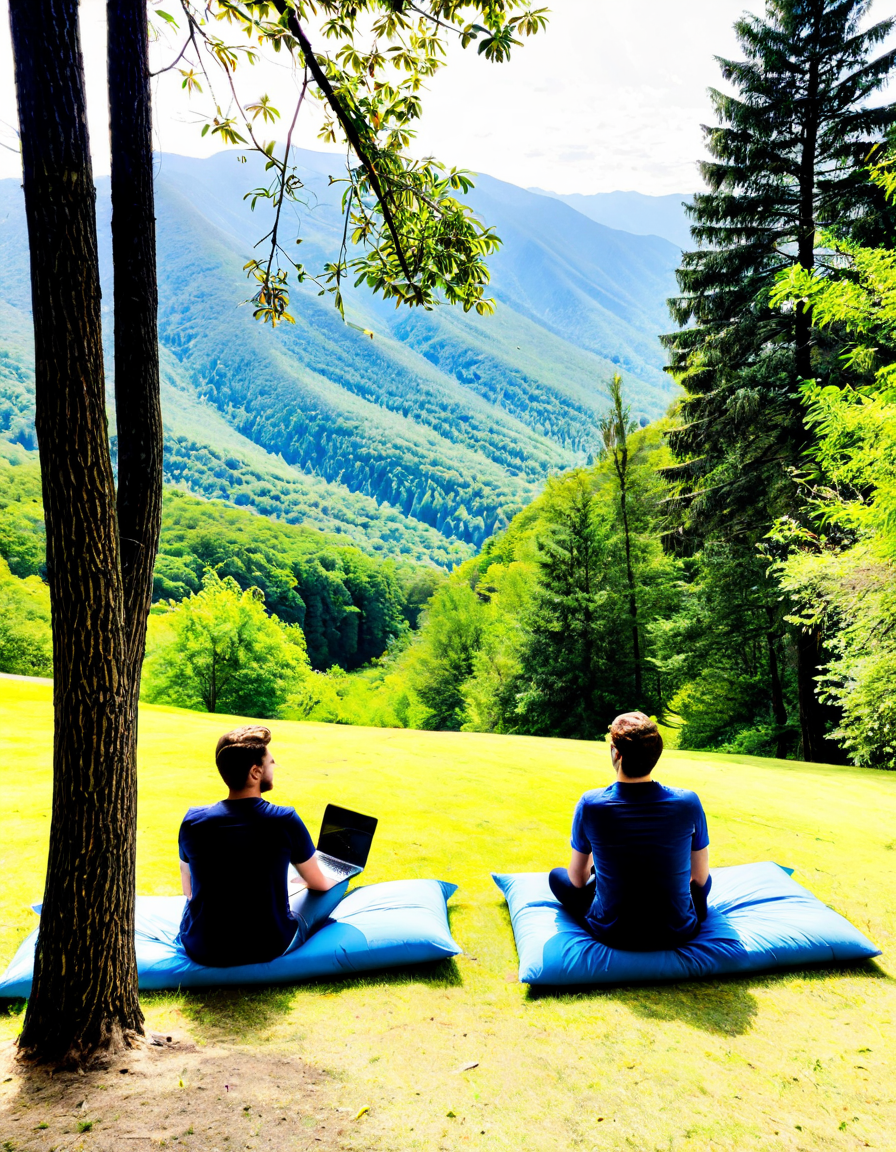
The ramifications of workaholism stretch far beyond individual habits; they ripple through our culture and economy, cultivating a burnout epidemic that stifles potential. The appeal of connectivity afforded by technology ironically fosters isolation, likening modern work environments to a digital prison. Individuals increasingly feel they need to stay tethered to their jobs even when the workday ends.
Furthermore, as remote work flourishes, it becomes even trickier for individuals to set boundaries. While new social constructs evolve to create flexibility, they can often complicate the essential separation between vocational and personal life. It’s crucial for businesses to foster workplace cultures that emphasize well-being. Productivity and personal health can coexist, but it requires a gracious pivot from current business models that are unsustainable in the face of emerging challenges.
Innovative Solutions for Workaholics
Combating workaholism demands commitment from both individuals and businesses. Here are a few solutions to consider in breaking the chains of overwork:

Final Thoughts
In a world uniquely transformed, pondering the future of work remains critical. As workaholism looms large, we stand at a crossroads where we must decide the direction we want to take in 2026. Will we choose to create a culture that values well-being alongside productivity? Or will we continue to let workaholics shape the narrative, driving individuals into exhaustion? Quality of life should take precedence, and it’s time we redefine what success looks like in our fast-paced society. We owe it to ourselves and future generations to create a healthier, happier work environment.
Workaholics: Are They Pushing Themselves Too Far?
Workaholic Origins
Did you know that the term “workaholic” was coined in the 1970s? It’s a combination of “work” and “alcoholic,” highlighting an addiction to work just like one might be addicted to substances. In today’s fast-paced society, workaholics are setting a relentless pace, leaving many to wonder if balance is a thing of the past. It’s interesting to note that figures like Erin Brockovich have also drawn attention to how hard work can pay off, even when it seems overwhelming. It makes you think about whether drive or desperation really fuels success.
Speaking of notable figures, take a look at the life of France’s First Lady! The inspiration behind Emmanuel Macron, often referred to as “Macron’s wife,” embodies the harder-working spirit that some might say pushes the boundaries of balance. The contrasts between her public life and private worries underscore the challenges workaholics face in finding time for themselves. While some thrive in high-pressure careers, others may find themselves wishing for a break—kind of like that feeling we get while watching our favorite Troian Bellisario Movies And TV Shows where characters juggle their dreams and dilemmas.
The Balancing Act
Here’s a fun fact: Studies indicate that a happy work-life balance boosts productivity and creativity. Yet, workaholics often dismiss this idea, pouring all their energy into their careers—sometimes reminiscent of a character in a Holland movie who experiences ups and downs fueled by relentless ambition. But what happens when this drive turns into burnout? It’s crucial to recognize the signs, just as we do with financial decisions like an assumed mortgage, where failing to make the right choice can lead to trouble.
On the lighter side, there’s Sarah Caldeira, a rising star who showcases the ups and downs of balancing passion and work commitments in her roles. Her journey serves as a reminder that even those who appear to have it all together have their challenges, emphasizing the need for rest and reflection. Look, when you’re always on the go, it can be tough to pause and catch your breath. That’s why it’s vital to make room for downtime—even if it feels counterproductive at times, especially in an era dominated by the Microsoft search engine and constant connectivity. After all, having a clear mind is often more important than the number of hours clocked in at the office.
So, whether you’re in the fast lane like a workaholic or learning to ease off on the gas pedal, let’s keep the conversation going about how we can all find a balance that works best for us.