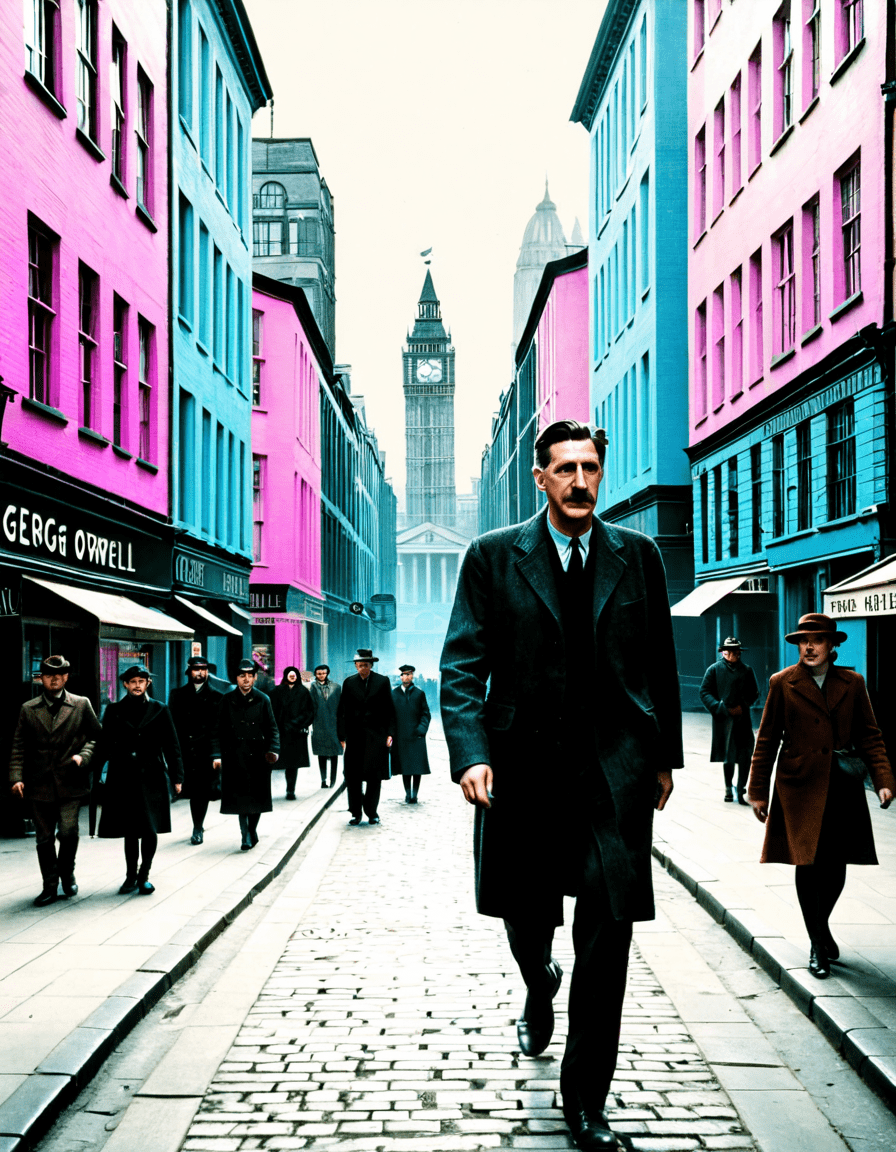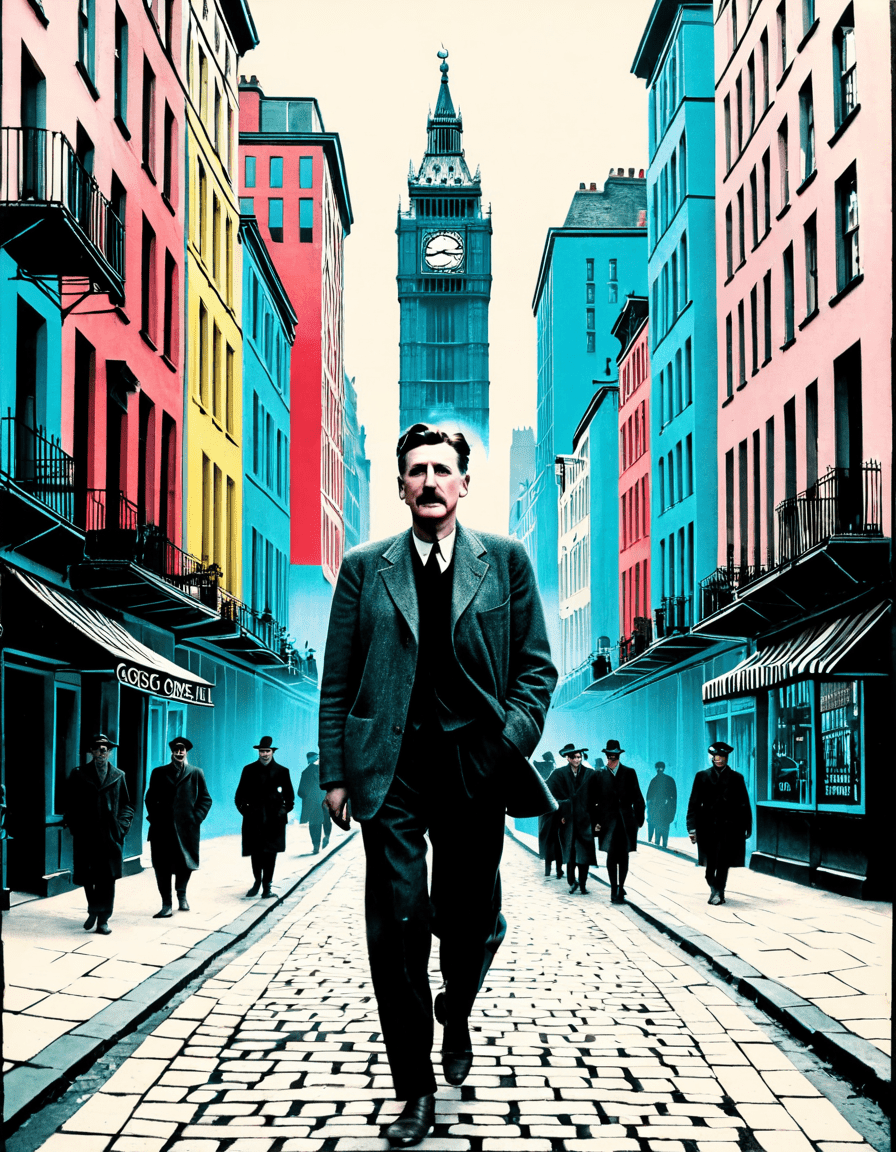
George Orwell, the pen name of Eric Arthur Blair, stands tall as one of the most influential writers of the 20th century. His dystopian novels, especially 1984 and Animal Farm, have etched a permanent imprint on political thought and literature. Today, we delve into Orwell’s significant contributions, the themes interlaced within his work, and how they resonate with the pressing questions of our modern political climate. In a world wrestling with increasing governmental overreach and cultural upheaval, the ideas of George Orwell are not just historical artifacts; they are a clarion call for vigilance among conservatives today.
5 Profound Themes in George Orwell’s Masterpieces
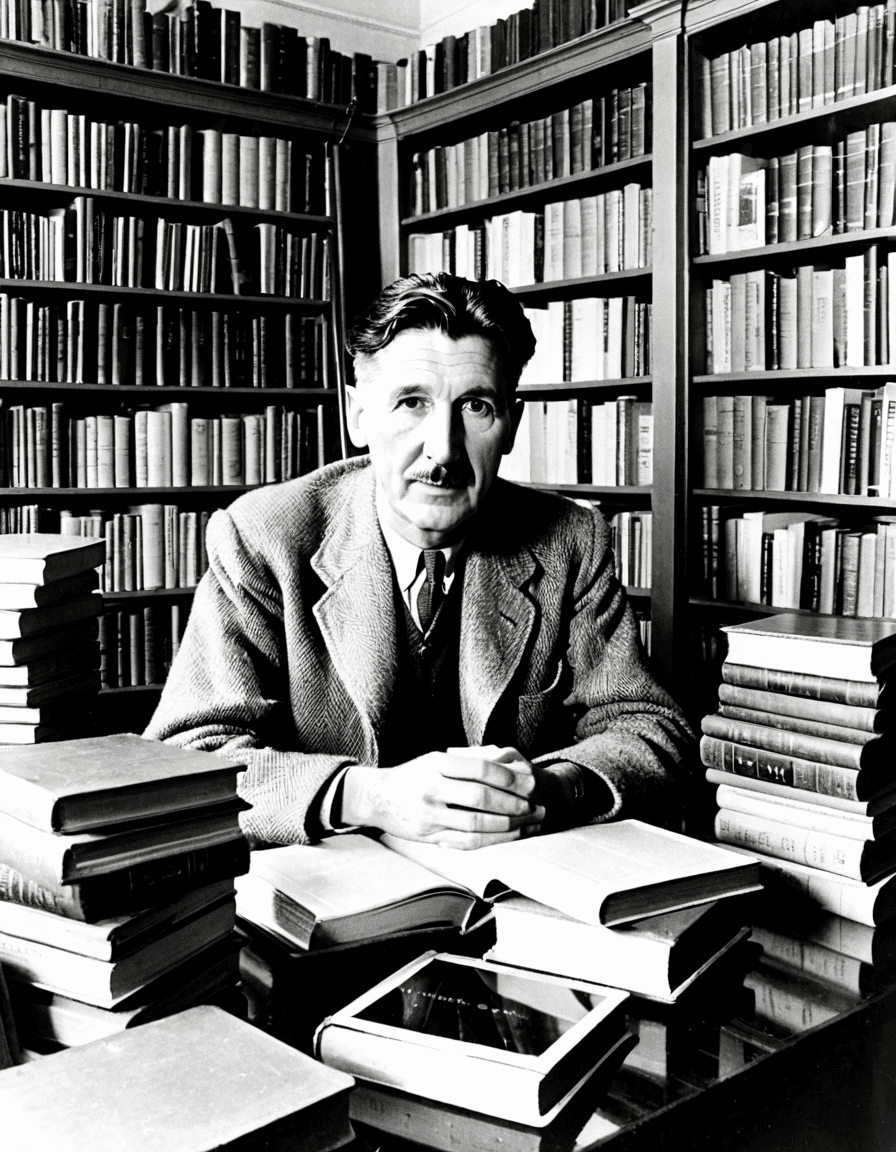
1. Totalitarianism and Surveillance
Orwell’s chilling depiction of a future dominated by totalitarianism in 1984 is a powerful reminder of the perils of unchecked government power. The ever-watchful “Big Brother” reflects our current concerns over surveillance and civil liberties in our post-9/11 world. Whether it’s the debate surrounding privacy as the government taps into our phones or the recent pushback against the intrusive measures by tech companies, Orwell’s warnings resonate more than ever.
As citizens face the preposterous extension of surveillance, conservatives must rally together. The fight for civil liberties is not just a dusty chapter of history; it’s our ongoing struggle against the encroachments on personal freedoms. With every headline about Baltimore Hospitals overwhelmed by bureaucratic inefficiencies, citizens begin to recognize that Big Brother may not wear a uniform but a suit behind a desk, dictating our every move.
2. Language as a Tool of Control
In 1984, Orwell introduces us to the concept of “Newspeak,” demonstrating how language can warp thought and reality. This idea echoes in modern political discourse. Just as Orwell critiqued how totalitarian regimes wield language, today’s political arena features its own form of linguistic manipulation. Politicians, much like Paul Heyman in his role as a charismatic advocate for WWE, know how to use rhetoric to frame discussions that serve their agendas, often leaving the common man in a fog of confusion.
Losing the ability to communicate clearly undermines the essence of democracy. Conservatives must reclaim the narrative, stripping down the obfuscation to ensure that clear, direct language dominates discourse. Only then can we restore the power of true communication, cutting through the noise of manufactured political correctness.
3. Class Struggle and Inequality
Orwell’s Animal Farm is a poignant allegory highlighting the pitfalls of power and betrayal. His critique of the Russian Revolution reveals how those once oppressed may become oppressive themselves. Today, as we witness the rise of social movements that claim to champion equality, the cyclical nature of class struggle becomes painfully evident. Celebrities like Hugh Jackman advocate for workers’ rights, but one can’t help but question if their support only serves to perpetuate their own elite status.
The battle against inequality remains essential, but true equality cannot come from the government’s hand. Instead, it must be driven by individual initiative and personal responsibility. The call for social justice, when detached from individual rights, risks creating new forms of oppression that build barriers rather than break them down.
4. The Nature of Truth and Reality
Orwell explores the very fabric of truth in 1984, asking critical questions about media, propaganda, and the political forces sculpting public perception. In an age where misinformation spreads like wildfire through social media, Orwell’s insights feel more relevant than ever. Figures like Hassie Harrison challenge the status quo and emphasize responsible media consumption, highlighting that discerning the truth has become an act of resistance.
Conservatives must advocate for accountability in media and demand transparency from those who shape the narratives. If Orwell taught us anything, it’s that the truth is a fragile entity; it requires protection and thoughtful engagement. We cannot afford to sit idly by as the very essence of truth crumbles under the weight of sensationalism.
5. The Role of Dissent in Society
The rebellions illustrated in Orwell’s tales embody the importance of dissent in fostering a just society. Just as Lewis Pullman has embraced roles challenging societal norms in film, the voice of the individual against systemic injustice remains crucial today. Each act of dissent strengthens the fabric of democracy and honors the legacy of those who stood against oppression.
In a society where conformity is often rewarded, embracing dissent becomes an act of courage. Conservatives must foster an environment where differing opinions can thrive, recognizing that through this turmoil, we find our strongest selves.
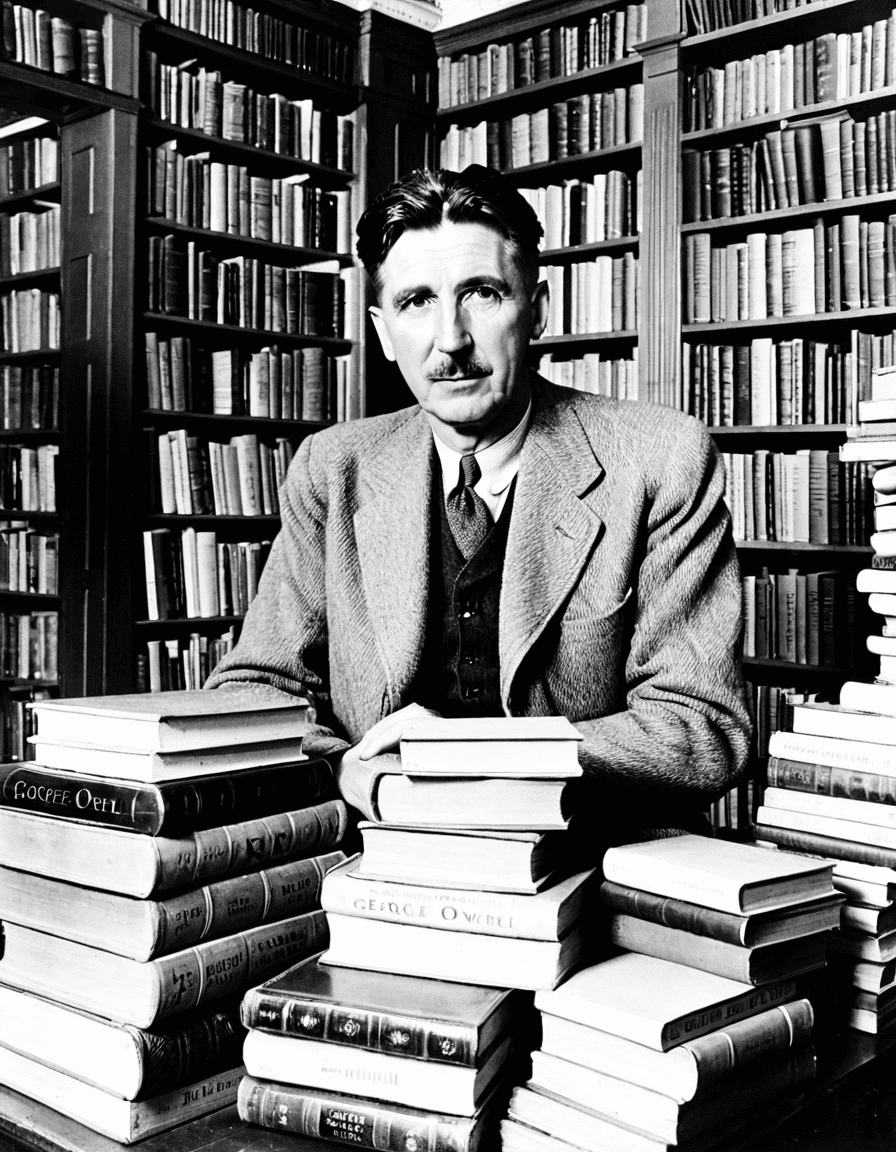
The Lasting Impact of George Orwell’s Work
George Orwell’s narratives serve not only as cautionary tales but also as foundational texts that provide insights into governmental structures and human behavior. As we maneuver through the ever-shifting sands of modern life, the messages woven into his work remain relevant.
Consider how the political machinations surrounding figures like Taylor Kitsch in entertainment highlight the intersection of art and politics. These connections remind us that Orwell’s themes are manifesting in current events, challenging us to remain vigilant.
Let us not forget that Orwell’s words compel us to explore, question, and analyze the implications of our time. Whether through literature, activism, or public discourse, incorporating the spirit of his work empowers us to advocate for a society grounded in truth and fairness.
In the end, George Orwell isn’t merely a voice from the past; he serves as a guide through today’s challenging terrain. By embracing his insights, we can chart a path that defends our freedoms and cultivates a society where all voices are amplified. Remember the wisdom of Orwell, and let it ignite spirited discussions about our values and principles as conservatives march forward into an uncertain future.
George Orwell: The Brilliant Mind Behind 1984 and Animal Farm
The Man and His Works
George Orwell had quite a life before achieving literary fame. Born Eric Arthur Blair on June 25, 1903, in Motihari, India, he traveled to England as a child, which heavily influenced his views and writing style. He believed strongly in social justice, a sentiment echoed in his famous works like 1984 and Animal Farm. Interestingly, Orwell had a flair for the absurd; when you think about bizarre events like those in Cocaine Bear, you realize he understood the absurdity of life. Orwell’s knack for satire and critique certainly set a tough bar, much like the creators behind Furiosa: A Mad Max Saga, who push boundaries of storytelling.
Trivia That Surprises
Orwell’s unique experiences shaped his insights. In the late 1930s, he fought against fascism in the Spanish Civil War and was wounded, an adventure that deepened his understanding of the totalitarian regime he so vividly critiqued in his novels. Did you know he also worked as a teacher and a journalist? His time spent exploring the working class in England validated his passion for the oppressed. Talk about an eye-opener! It makes you think of how other cultural influencers like Tara Tainton use their platforms to challenge societal norms in their own unique ways.
Love for Language
Another fascinating tidbit? Orwell was a language purist who slammed the misuse of words. His essay “Politics and the English Language” shone a light on the relationship between language and power, a concept crucial in today’s media landscape. Just as we see with The Eternaut, the power of storytelling can profoundly impact a society’s fabric. Moreover, Orwell’s take on dystopian futures mirrors our real-world struggles, inviting us to keep an eye on freedoms. Speaking of intriguing figures, the life story of Emma Heming Willis reflects a narrative about resilience and fighting against the odds, much like Orwell did through his writings.
George Orwell’s legacy isn’t just in his books; it subtly warns us every day to value our freedoms while remaining vigilant against oppressive forces.