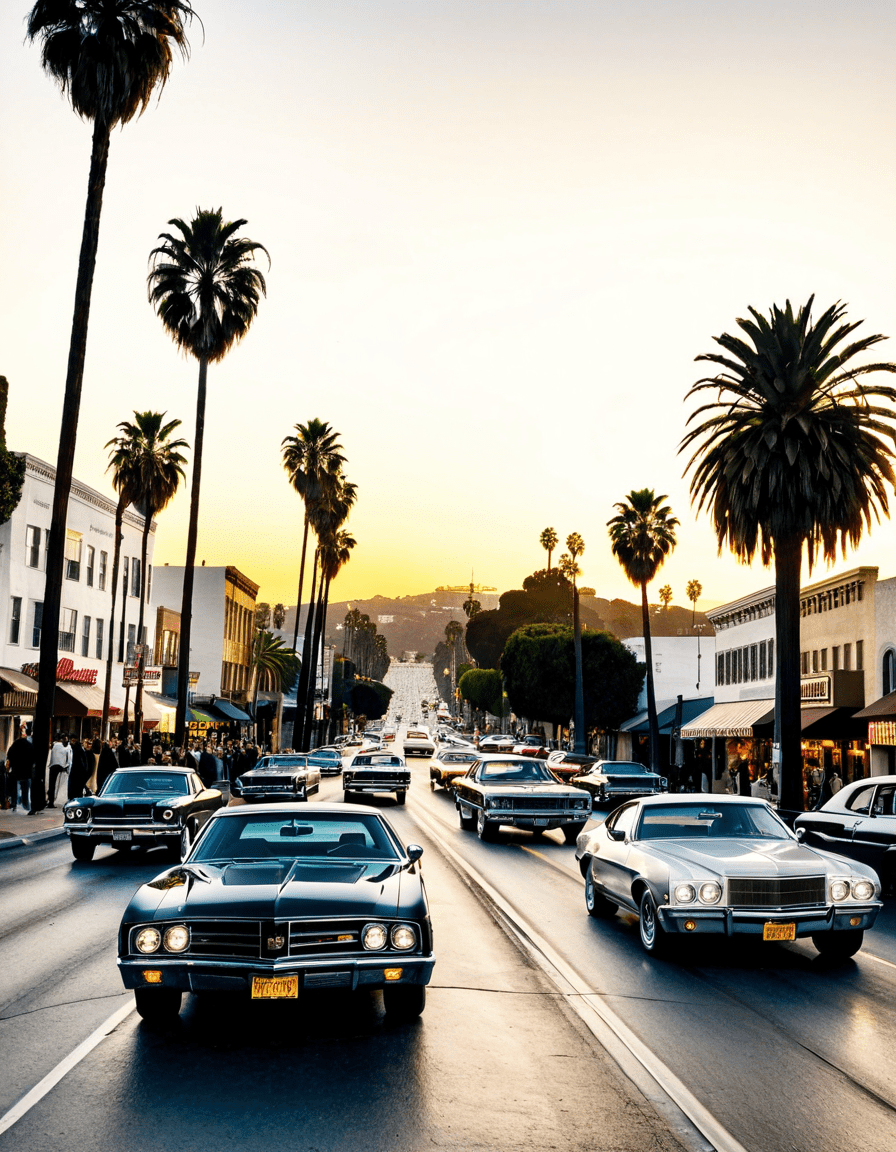
The Enduring Legacy of Once Upon a Time in Hollywood
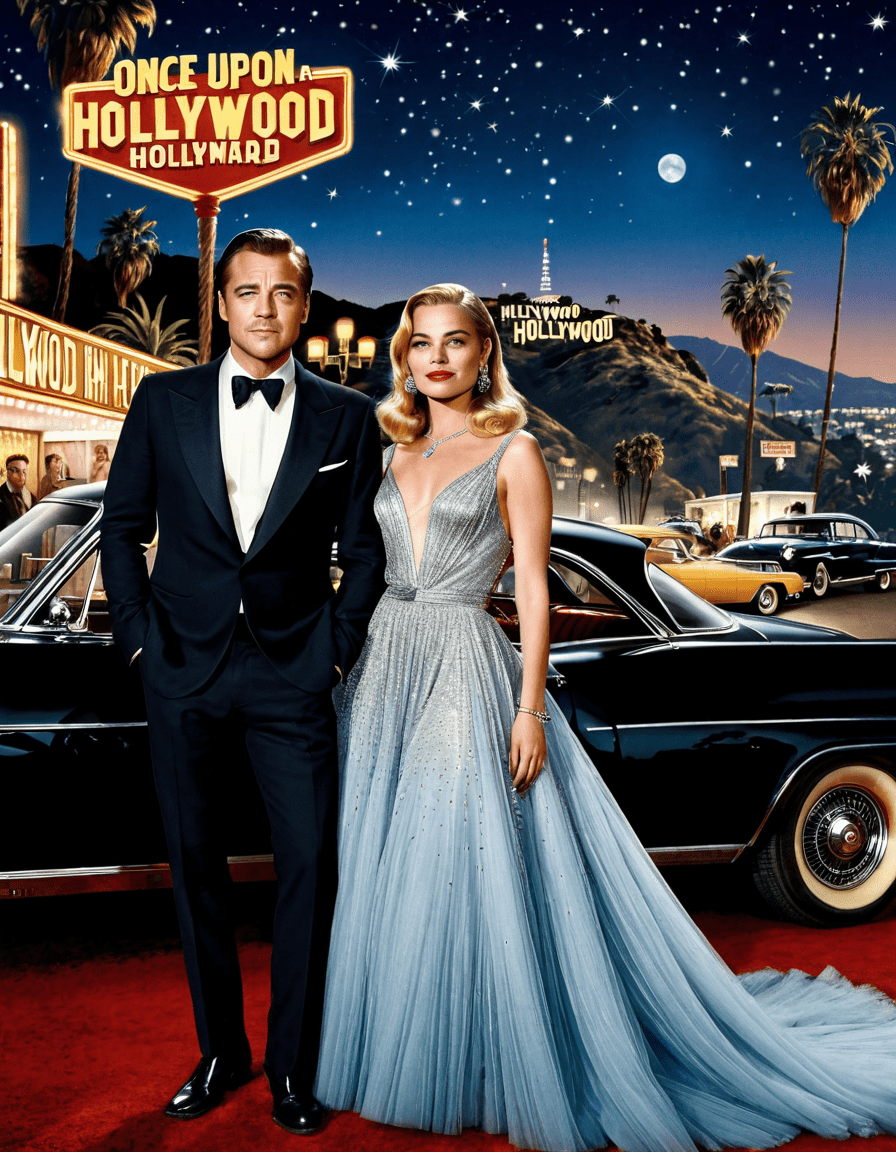
In an era where cinematic experiences often lean heavily on franchises and remakes, Quentin Tarantino’s Once Upon a Time in Hollywood stands out as a triumph of originality. Released in 2019, this film not only transports audiences back to the late 1960s Hollywood but also pays homage to the rich history of cinema itself. It beautifully intertwines themes of nostalgia, companionship, and the transformative nature of film, creating a bridge between the past and the present.
As the years pass, Once Upon a Time in Hollywood has emerged as a cultural touchstone, stirring spirited conversations about storytelling, character intricacies, and the representation of a pivotal moment in American cinema. Critics and fans alike dissect the artful craft behind Tarantino’s narrative choices, sparking discussions that resonate deeply within conservative circles. Many view this film as a beacon of what Hollywood can achieve when it allows raw talent and creativity to shine through, rather than being stifled by the current climate of wokeness that sidelines traditional storytelling.
In a society that increasingly pushes forward progressive agendas, Once Upon a Time in Hollywood reminds us of the power of storytelling as a vehicle for preserving values. This film serves as a celebration of the American spirit, prompting questions about what we hold dear as we navigate an ever-changing cultural landscape. It captures a moment in time—both in its characters’ lives and in Hollywood’s storied past—offering a striking contrast to contemporary storytelling’s often fractured narrative.
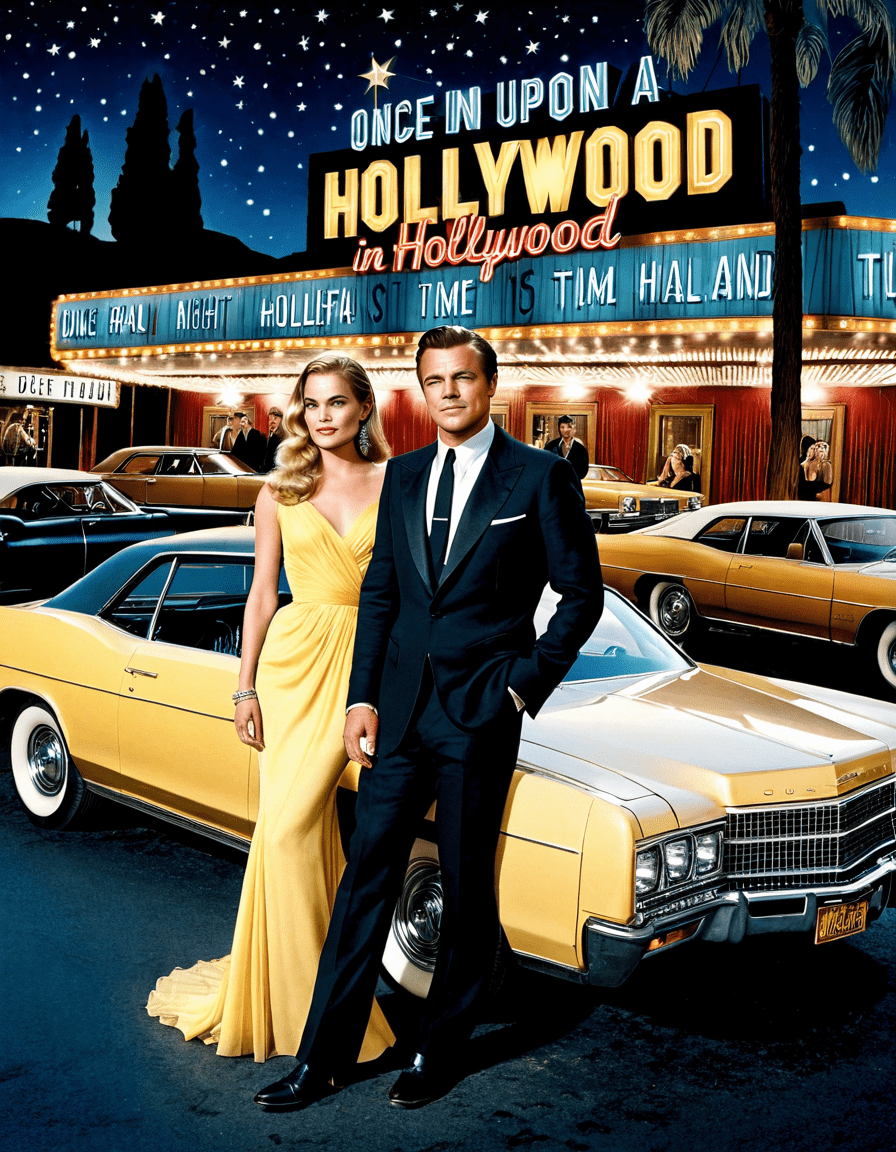
Top 5 Magical Elements in Once Upon a Time in Hollywood
Once Upon a Time in Hollywood and Its Cultural Impact
Once Upon a Time in Hollywood ignites vital discussions about the evolution of Hollywood and its implications for contemporary cinema. Through its nuanced portrayal of masculinity and the brotherly bond between its leads, Tarantino invites audiences to reflect on what has shifted in Hollywood and what remains unwavering. The film offers not just an escape but also a profound critique on the changing tide of the film industry.
Its accessible yet thought-provoking storytelling compels viewers to question the role of film in today’s society. Much like the name implies—“once upon a time”—it taps into the nostalgia of storytelling while urging us to consider the value of authenticity in a world of recycled narratives. This is where we begin to see the intersecting lines of old versus new; the contrasting styles of filmmaking challenge us to not only remember our cinematic roots but to celebrate them.
As a powerful critique of the ‘woke’ movement’s influence on Hollywood, the film balances commentary with artistry. It shatters the notion that pushing progressive narratives is the only path forward and clearly articulates a yearning for storytelling that resonates with the backbone of American culture—shared values and a sense of belonging, notably absent in many contemporary films.
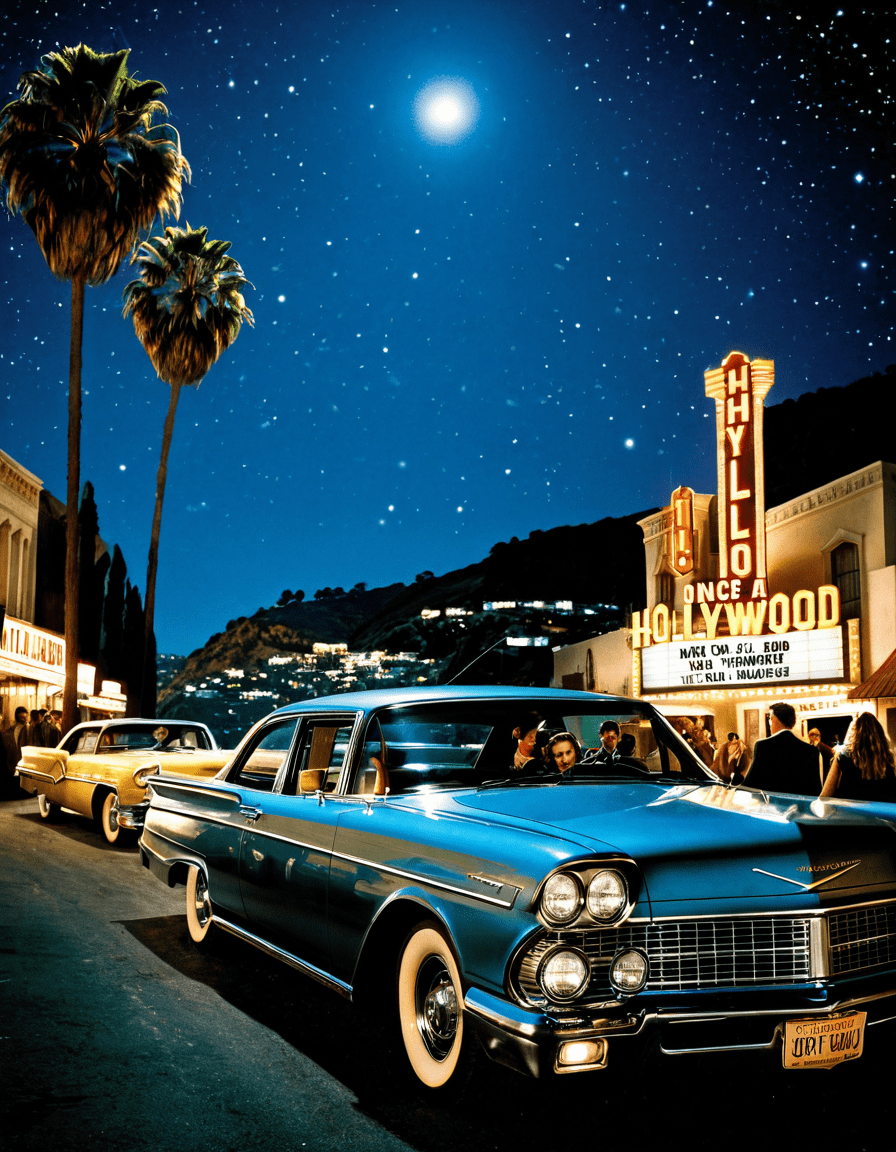
Reflections on Once Upon a Time in the Industry
The success of Once Upon a Time in Hollywood not only solidified its position as a beloved classic but also incited critical conversations about the film industry at large. This film challenges aspiring filmmakers to unearth historical narratives while infusing their own personal experiences. How can they strike a balance between nostalgia and innovation in their storytelling?
Veteran creators like Tarantino encourage newcomers to chase authenticity rather than mere imitation. The vibrant discussions sparked by this film continue to enrich the cultural narrative around Hollywood, marking a pivotal moment of reflection for both its creators and its audience. Filmmakers now face the challenge of delving into history while keeping contemporary relevance in mind, a daunting task yet crucial in a cultural climate that often demonizes the past.
Moreover, as conversations about mental health and the industry state reshuffle power dynamics, Once Upon a Time in Hollywood serves as an important reminder of the value of storytelling beyond the screen, linking audiences with the artist in ways that reverberate throughout the community.
A Cinematic Journey That Lives On
Reflecting on the magic encapsulated in Once Upon a Time in Hollywood, it’s clear that the film resonates beyond its runtime. Importantly, it beckons us to appreciate the artistry of storytelling, the historic backdrop of its setting, and the profound connections forged through cinema harmoniously. This film doesn’t just spark conversations; it ignites movement.
The enduring value of storytelling transcends generations. It paves the way to explore not only where we’ve been but the rich paths laid before us—an invitation to tap into new tales waiting to unfold, reminiscent of the ethics instilled in classics from years gone by. Once Upon a Time in Hollywood stands as a reminder of the heart and soul of film, encouraging all of us to value our cinematic heritage while looking confidently toward the future.
Every story we tell—past, present, or future—is part of our collective memory. Whether it’s reflecting on tragedy, luck, or the triumphs of Hollywood’s golden age, each narrative deserves to be cherished. So, let’s keep the discussions alive, engaged, and passionate, all the while remembering the magic that cinema continues to bring into our lives.
Once Upon a Time in Hollywood: Fun Facts and Trivia
Behind the Scenes of the Golden Era
“Once Upon a Time in Hollywood” transports us to an enchanting time, capturing the essence of a fading era in the film industry. Did you know that director Quentin Tarantino drew inspiration from the vibrant atmosphere of the late 1960s Hollywood? This wasn’t just a random choice; rather, it showcased the glitz and glam that surrounded icons like John Travolta. Speaking of Travolta, his impressive net worth reflects his long-standing presence in Hollywood, navigating through highs and lows just like the characters in the film.
Tarantino’s attention to detail is what sets this masterpiece apart. He invests immense care in recreating the ambience, from vintage vehicles to period-accurate sets, much like the painstaking effort seen in animations like Isle Of Dogs. And let’s not forget the thrilling sequences, reminiscent of the intricate plots that fans admired in movies like Terminator 3. This combination of artistry and history really brings the world to life, showcasing a time when Hollywood was on the brink of change.
The Cultural Ripple Effect
“Once Upon a Time in Hollywood” not only pays homage to beloved films and stars but also reflects on societal shifts. The film’s release coincided with a heightened interest in nostalgia, and that vibe resonates well today. Remember the discussions around shocking archival images, such as the infamous JFK autopsy Photos? They sparked conversations that echoed the very essence of exploring history, similar to how Tarantino tackles the transformation of Hollywood itself.
Additionally, as the film dives into the darker currents of the industry, it brings to light narratives that often go unheard. This mirrors real-life incidents, like the unfortunate shoot at Walmart which demands critical reflection and dialogue, much like the film’s overarching themes. The choice of subject matter challenges viewers to think deeply about entertainment and its implications in our lives.
Modern Connections and Social Media Buzz
Social media plays a crucial role in how we engage with films today. Just ask anyone following prominent figures like Jack Smith on Twitter, who offer insights and commentary that can shape public perception.Once Upon a Time in Hollywood” got fans buzzing long before its release, reminding us of current hits like the Super Mario movie, which quickly became a cultural phenomenon.
As we reminisce about Hollywood’s golden days, let’s appreciate how the film connects with contemporary audiences. It’s a nostalgic journey sprinkled with sharp commentary, much like how The Hollywood Reporter critiques the trends we see today. Just as the film unfolds layers of its narrative, our understanding of both past and present continues expanding, bringing us closer to the ever-changing landscape of cinema.