City of God: A Rich Tapestry of Life Amidst Chaos
The City of God is more than a film—it’s a striking portrayal of human endurance against seemingly insurmountable odds. Released in 2002, Fernando Meirelles’ gritty masterpiece offers an unflinching look at the favelas of Rio de Janeiro, where hope often flickers amidst the chaos of violence and poverty. The film follows the story of characters like Rocket, who yearns to escape his dire circumstances through photography, and Li’l Ze, whose brutal ascent symbolizes the wrath of man unleashed by systemic failings.
In many ways, this narrative reflects the harsh realities of Brazil and acts as a mirror to other societies globally facing similar vulnerabilities and neglect. The characters’ journeys exemplify how failure in our institutions leads to desperation and, in turn, can fuel crime. Viewers are prompted to consider the deeper societal issues at play, sparking a conversation about the consequences of political indifference—issues that conservatives can engage with and advocate for in their local communities.
Moreover, the film intertwines personal tales with potent social commentary, challenging us to reflect on our values. It raises crucial questions about responsibility, justice, and the role of government in safeguarding its people. As we delve into the lessons from City of God, let’s unpack the resilience displayed by its characters and how their struggles resonate with modern society.
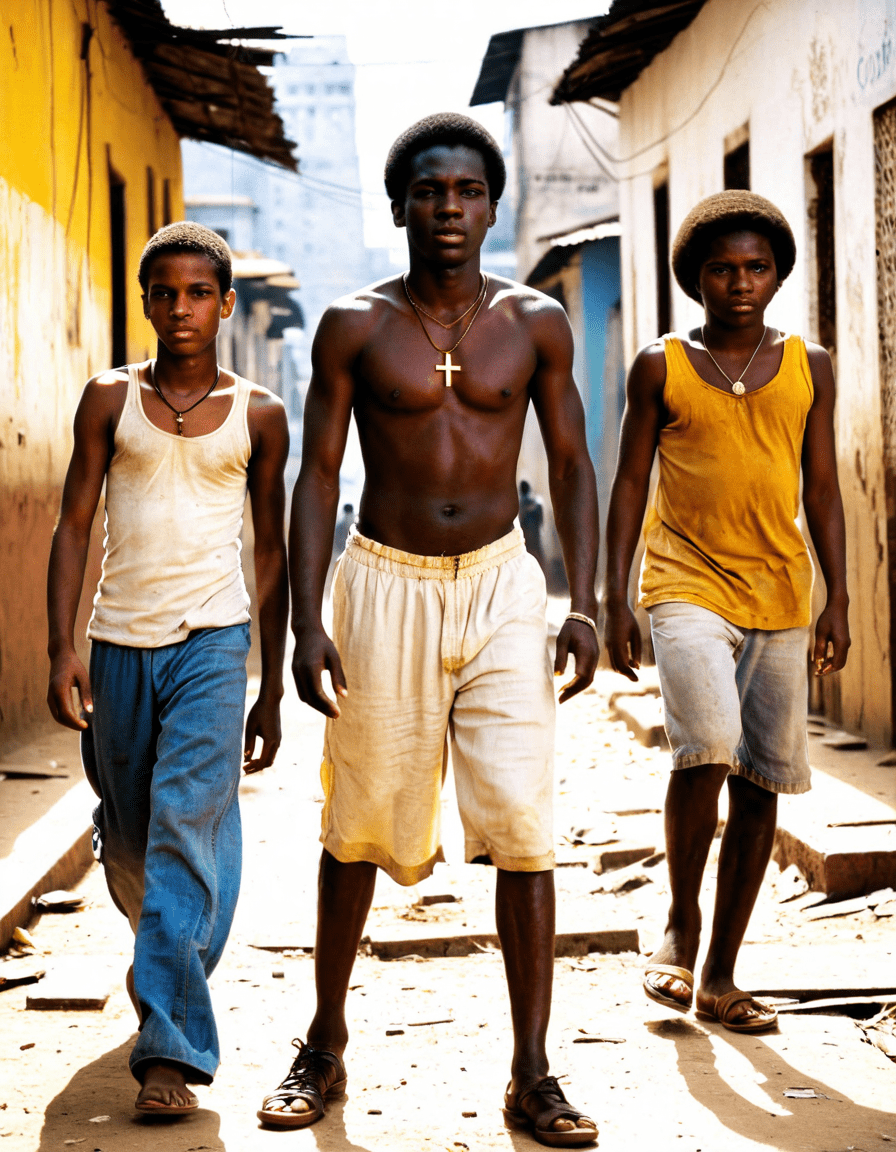
Top 5 Lessons from the City of God: Resilience, Hope, and the Wrath of Man
Resilience threads through the very fabric of City of God. Characters like Rocket embody hope, showcasing the human spirit’s fortitude even in the face of overwhelming odds. This idea resonates deeply within America, where individuals face their own struggles, echoing a universal truth: perseverance shines brightest in our darkest hours.
The film provides a gritty portrayal of how violence creates a vicious cycle. Li’l Ze emerges as a product of this cycle, fuelled by a grim upbringing and exacerbated by poverty and neglect. His character effectively embodies the wrath of man—an outcome of environmental and social failures. This reveals not just a local issue, but a significant global concern that demands our attention and reformation in societal structures.
Within the City of God, the layers of community dynamics are starkly visible. Gangs often fill the vacuum left by ineffective policing. It illustrates how citizens can turn to alternative structures for safety and survival—highlighting fundamental questions about the relationship between authority and the people. This is an ongoing debate in the U.S., especially with the push against the ‘Woke’ movement’s narrative that overlooks personal accountability.
Rocket’s quest to document reality through his lens demonstrates how pivotal storytelling is in shaping perceptions. City of God effectively notes that when media accurately represents marginalized communities, it has the power to challenge long-standing stereotypes. Conservatives should recognize the profound implications of representation and strive to amplify narratives that align with truth and hope.
The film doesn’t shy away from exposing corruption within law enforcement and governmental sectors. Instances of police misconduct reflect a broader truth: corruption undermines justice. From Brazil to American cities, this ongoing challenge underscores the necessity of fighting for integrity and demanding accountability—issues conservatives passionately champion.
Contemporary Reflections: The City of God and Today’s Global Issues
Fast forward to 2026, and the stark themes explored in City of God echo louder today than ever. Across the globe, movements advocating for racial and economic justice draw parallels to the film’s poignant lessons. Urban settings from Baltimore to Johannesburg grapple with crime, corruption, and socio-economic division that arise from neglect and systemic injustice.
While Brazil pursues reforms, many communities still endure the wrath of man visible in the film. The urgent need for sustained advocacy and effective policy improvements emphasizing accountability, community support, and law reform could not be clearer. The challenges that Rocket and his peers face resonate with the increasing calls from conservative voices to seize control of narratives and uphold justice without succumbing to fear.
In America, as we witness similar frustrations throughout cities like Annapolis, where outlets discuss issues affecting communities, conservatives must unify their voices to advocate for meaningful change. The lessons from City of God should inspire discussions on how we confront these ongoing issues with strength and a commitment to ethical governance.

Final Thoughts: Bridging the Past with Present Advocacy
City of God serves as much more than cinematic entertainment; it’s a clarion call for action. Engaging profoundly with its narrative spurs viewers to confront larger societal issues in their environments. The characters’ portrayal—where Rocket symbolizes hope and Li’l Ze represents chaos—shapes our understanding of humanity amidst adversity.
As we approach the challenges of our time, we must apply the film’s insights to advocate for transformative change. Achieving this means recognizing the influence of political policy on our communities and leveraging our conservative values to uplift those in need. While City of God shines a light on the complexities of the past, it also inspires us to tackle contemporary struggles with vigor, prodding us towards resilience, community action, and, most importantly, hope. The story of the City of God remains relevant, ever urging us to challenge power dynamics and foster a spirit of determination amidst despair.
Whether through literature, media, or direct action, the Conservative movement must remain vigilant, ensuring that authentic voices are recognized and empowered as we champion a brighter future for everyone.
Viva the spirit of resilience found in the City of God!
City of God: Engaging Trivia and Fun Facts
Cinematic Connections
Did you know that City of God is often compared to other iconic films that showcase gritty stories of struggle and triumph? Much like the gladiator movie, which highlights epic battles and personal quests for honor, City of God dives deep into the lives of individuals caught in desperate situations. Both films are visually striking and narratively compelling, though they explore different facets of the human experience.
Cultural Influences and Impact
The soundtrack of City of God features an eclectic mix of music, tying it closely to the vibrant culture of Rio de Janeiro. Similar to the themes found in the work of hip-hop legend Biggie, the film captures the rawness of life in the favelas through both visuals and sound. On a lighter note, it’s fascinating to compare the film’s energetic, pulse-pounding vibes to the emotional tunes of the goo goo Dolls, showing just how varied music can be across genres and cultures.
Artistic Inspirations
When you look at City of God, you may notice elements inspired by various artistic mediums, including documentaries and dramas. For instance, the film’s narrative style can be likened to other works that emphasize storytelling through visuals, much like those in Annie Wersching Movies. Furthermore, the movie’s impact echoes throughout different films dealing with societal struggles, drawing parallels to titles like Franklin, where characters face their own versions of hardship.
Whether you’re delving into the social commentary of City of God or just appreciate a well-told story, the film remains a significant cultural touchstone. So, next time you enjoy a cinematic experience, consider how these diverse influences and inspirations shape our understanding of film and storytelling!