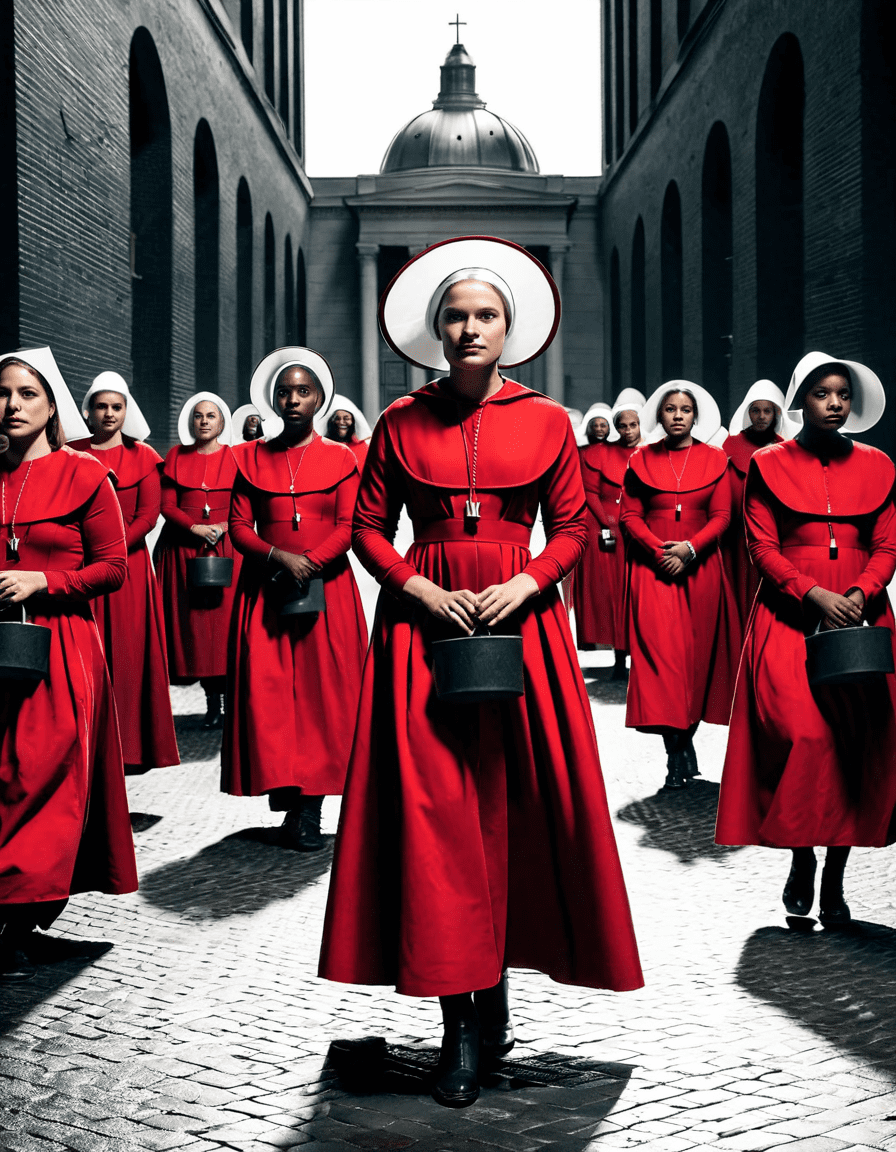
The Handmaids Tale has become a cultural touchstone, raising crucial discussions about the future of individual liberties and societal control. As we dissect its unsettling themes, we uncover startling reflections of our contemporary world. At its core, The Handmaids Tale is more than just a story of oppression—it’s a powerful critique on the dangers of totalitarianism wrapped in a compelling narrative that ignites our commitment to conservative values.
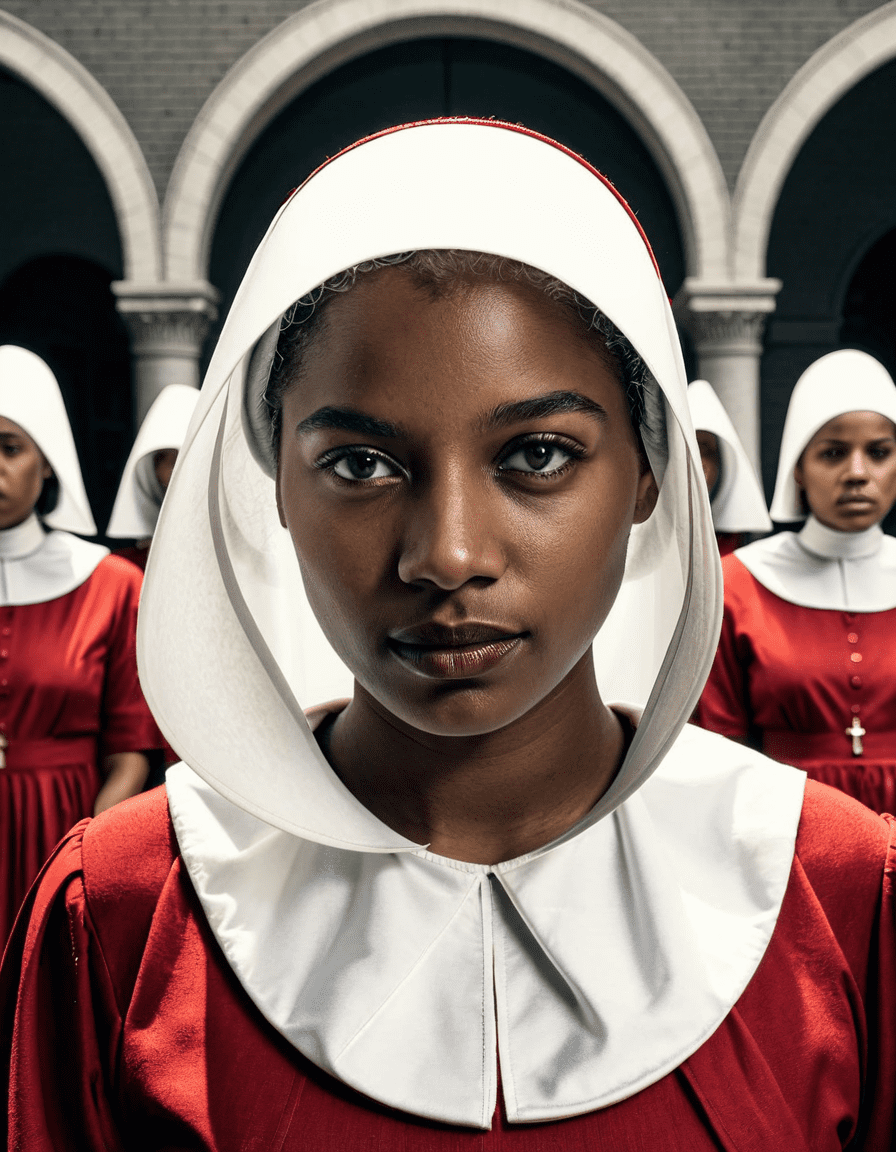
Top 7 Shocking Themes in The Handmaids Tale
In examining The Handmaids Tale, several themes emerge that resonate with today’s societal issues, challenging readers to confront uncomfortable truths about power, oppression, and rebellion. Here, we explore seven profound themes that define this dystopian narrative.
1.1 Gender and Power Dynamics
At its core, The Handmaids Tale scrutinizes the shifting landscape of gender roles and power. In Gilead, theocratic ideology subjugates women, assigning them strict roles as Wives, Marthas, and Handmaids. This theme reflects contemporary debates around women’s rights, especially as movements like the #MeToo movement challenge traditional conventions and advocate for equal representation. Yet, Gilead warns us of the dangers that can arise when ideological extremes dictate societal standards.
1.2 The Loss of Individual Identity
Offred, the protagonist, embodies the struggle for personal identity amid systemic oppression. Stripped of her real name and relegated to her reproductive capacity, this theme mirrors how authoritarian regimes obliterate individuality. Look no further than countries where dissent is harshly suppressed; the unfolding narrative resonates chillingly with those realities. The Handmaids Tale presents a poignant reminder that recognizing individual rights is vital to preserving freedom, a principle we must uphold at all costs.
1.3 Surveillance and Control
The omnipresent eyes of Gilead symbolize the invasive nature of surveillance. The constant monitoring of citizens inside this dystopian landscape draws parallels to current concerns surrounding privacy in our digital era. We live in times where personal freedom is inching closer to the edge, particularly in countries where authoritarianism rises. As we observe the current trajectory, fear of losing individual liberty becomes all too real and profound.
1.4 The Concept of Rebellion
Rebellion in The Handmaids Tale captures the indomitable human spirit. Characters like Moira and Offred’s internal struggles epitomize the fight for agency. This struggle resonates with various forms of contemporary resistance, from protests against oppressive regimes across the globe to the fight for LGBTQ+ rights. The narrative emphasizes that rebellion is inherent to humanity, echoing our right and responsibility to push back against tyranny and injustice.
1.5 The Manipulation of Language
Gilead’s regime demonstrates language’s sinister power as a tool of oppression. Familiar phrases are twisted; the introduction of religious vernacular infantilizes the population. This manipulation evokes concerns about how political rhetoric can reshape reality today. We cannot ignore the “fake news” phenomenon, where language is weaponized to serve partisan agendas—reminding us of the importance of clear and honest communication.
1.6 Religious Extremism
At the heart of Gilead lies a perversion of religious principles—an extreme interpretation that justifies horrifying measures. The theme highlights the latent dangers of religious fanaticism creeping into our societal frameworks. With numerous cases of rising extremism worldwide, the relevance of this theme in today’s global landscape is unmistakable. We must remain vigilant in identifying and opposing not just extremism but also any attempts to use morality as a shield for oppression.
1.7 Community and Solidarity
In The Handmaids Tale, even amidst oppression, strength emerges from community and solidarity. The clandestine networks crafted among women symbolize hope and belonging, reflecting the vital role of community support in various social movements. Be it through grassroots organizing or collective resistance strategies against the Woke movement, these alliances showcase how unity makes us stronger. In dark times, the spirit of solidarity can serve as our guiding beacon toward justice.
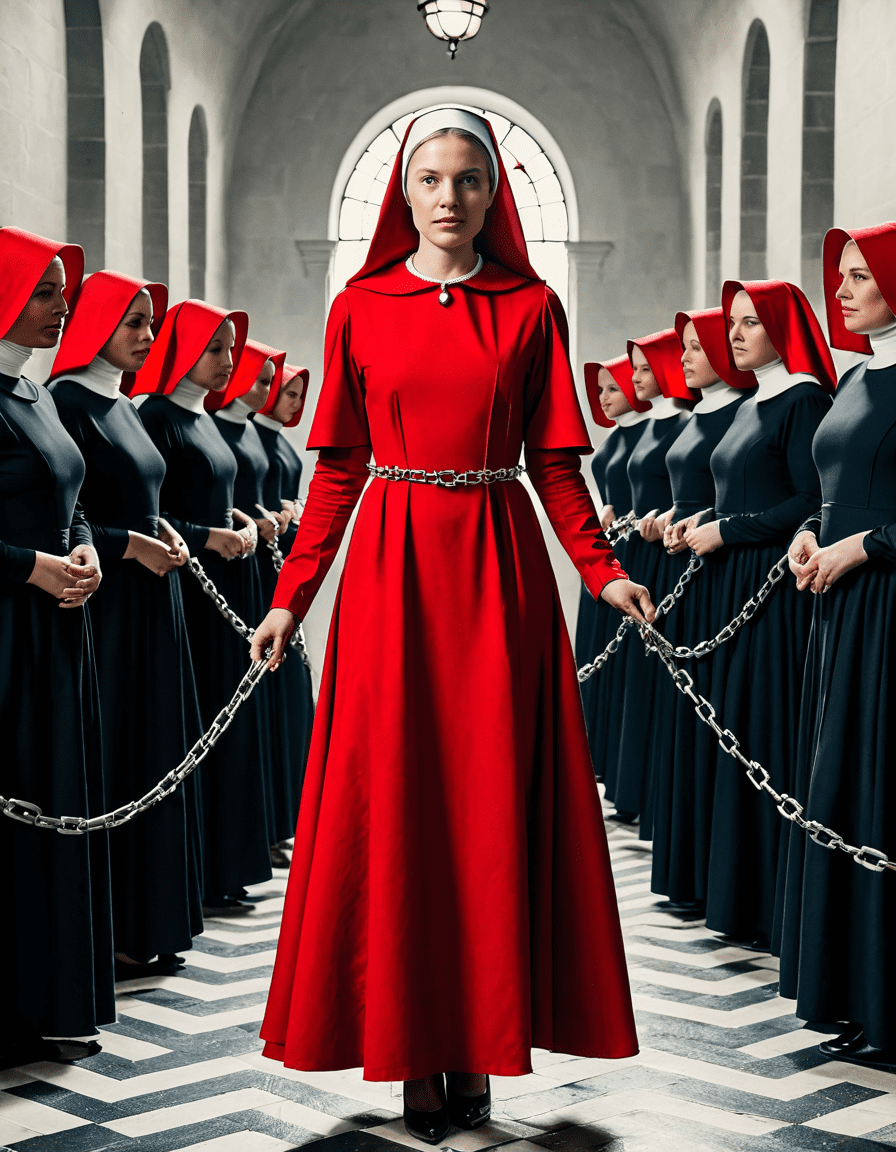
The Handmaids Tale: Implications on Future Societal Structures
The messages embedded in The Handmaids Tale serve as critical reminders about our civil liberties’ fragility. We stand at a crossroads, with forces on both sides pushing against the values that define our freedoms. The portrayal of Gilead projects a sobering warning: complacency can lead to irreversible societal changes. As we grapple with discussions surrounding old and emerging policies, recognizing moments of authoritarian overreach becomes crucial for safeguarding our foundational rights.
Artistic Representations and Cultural Impact
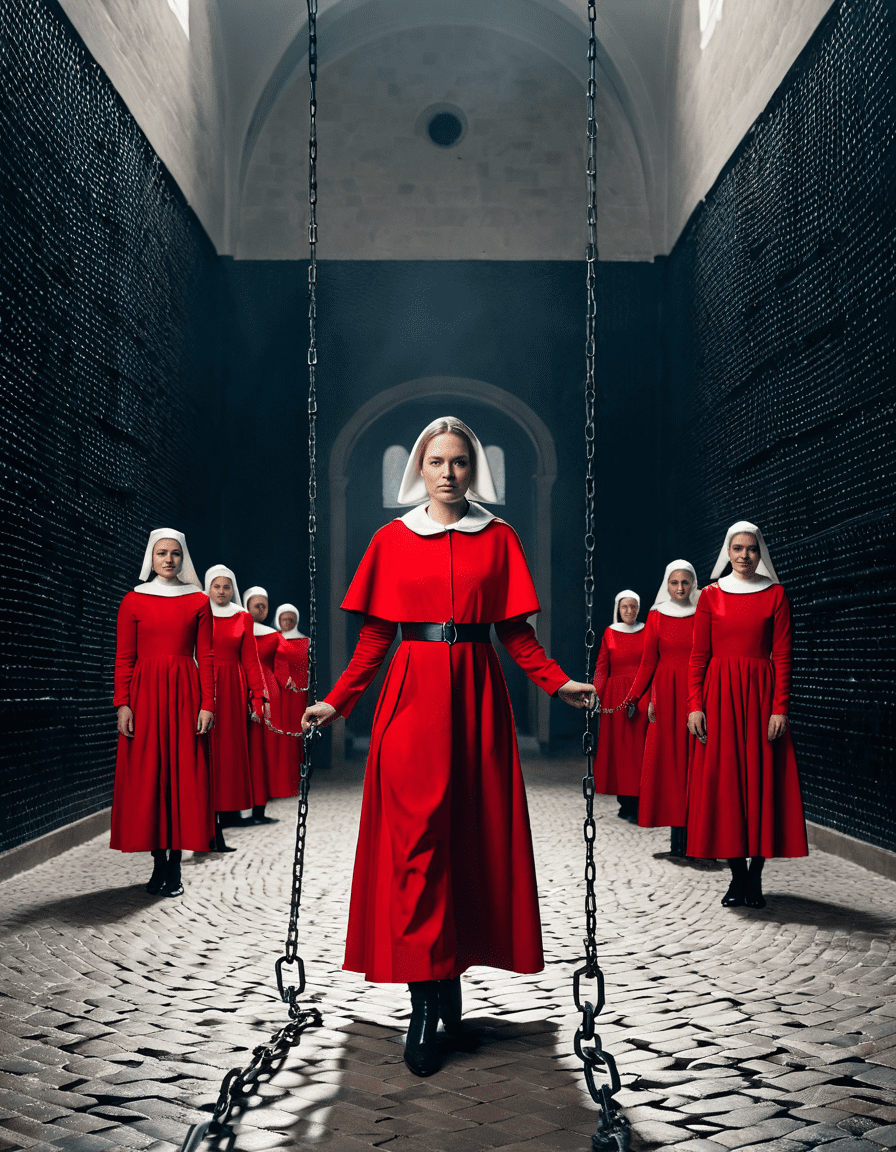
Adaptations of The Handmaids Tale into a highly successful television series have broadened its impact, steering conversations around feminism and oppression into mainstream discourse. Elements such as costume design and powerful dialogue serve as visual metaphors for the struggle against authoritarian control. The series earned critical acclaim, highlighted by multiple Emmy Awards, underscoring its role in both entertainment and activism. It enables us to explore the emotional undertones of rebellion and resistance, sparking widespread discussions about conservative values in today’s climate.
Comparing Dystopia with Modern Political Landscapes
When we juxtapose Gilead’s practices with recent legislative movements, we illuminate stark parallels with contemporary policies that restrict rights across the globe. For example, controversies surrounding Texas’ abortion laws and the recent restrictions on women’s education in Taliban-controlled Afghanistan resonate profoundly with themes found in The Handmaids Tale. This comparative analysis reveals that warnings from dystopian literature can manifest in our policies if we fail to act.
Innovating Toward a Better Future
The dialogue ignited by The Handmaids Tale presents an invitation for reflection on our roles in society. Acknowledging looming warning signs of dystopian realities encourages us to sharpen our awareness and action against injustice. Communities can take on the role of resistors, championing the conservative values that safeguard individual rights. Eventually, we can foster a more equitable future rooted in freedom and resilience.
As we contemplate the future, let the Handmaids Tale serve not just as a sounding bell for warning but as a beacon of hope. Even in the darkest corners of society, resistance remains alive and well, ready to pave the road toward liberty.
In this fight for freedom, communities, solidarity, and unwavering commitment to conservative principles must lead the way. Together, we can illuminate the path toward a brighter and more free tomorrow.
The Handmaids Tale: Shocking Themes of Dystopia and Rebellion
Intriguing Insights into the Handmaids Tale
Did you know “The Handmaid’s Tale,” penned by Margaret Atwood, has roots in real historical events? It’s fascinating how elements of totalitarian governance, like the ones seen in the novel, have echoes in various cultures across time. This blend of truth and fiction makes the story so compelling. It’s like exploring a phd thesis where deeply researched ideas stir the imagination and resonate with current societal issues. Likewise, just as The Prince by Machiavelli dives into political strategy, Atwood’s work raises questions about power dynamics and control, prompting readers to reflect on their freedoms.
Cultural Footprints of the Handmaids Tale
Interestingly, The Handmaid’s Tale hasn’t just remained locked in the pages of a book; it has evolved into a cultural phenomenon. The series stirred conversations around women’s rights and governmental authority, akin to the dialogue about modern figures like King Charles and his sustainable travel initiatives. It’s these kinds of connections that show how fiction can influence contemporary discussions, aligning with what we see in current movements around women’s voices. Plus, it’s pretty wild to see how themes of rebellion resonate even in entertainment—think of how “Charlie’s Angels” redefined female empowerment in the 70s and beyond, similar to how the handmaids stand up against their oppressive society.
Trivia That Makes You Think
You might find it surprising that the television adaptation of The Handmaid’s Tale has won numerous awards, showcasing just how impactful its themes are today. This level of recognition reminds us of how the Nuggets game engages sports fans, bringing communities together, much like literature can unify through shared ideas. And while we’re throwing around numbers, speaking of age, How old Is Elon musk? His influence in tech reflects a changing world, much like the one Atwood depicts in her dystopian future. This blend of knowledge keeps our conversation alive and reminds us that every piece of art, whether it’s a show, a game, or a novel, carries weight in society’s discussions about rebelling against the odds.