The Origins and Evolution of the Hells Angels
The Hells Angels Motorcycle Club, founded in 1948 in California, stands as one of the most iconic symbols of biker culture. Initially formed by World War II veterans craving camaraderie and adventure, this brotherhood has grown from these modest beginnings into an infamous outlaw motorcycle gang. Over the years, the Hells Angels have withstood societal transformations, legal confrontations, and media misrepresentations while firmly holding on to their unique identity.
In the early years, the Hells Angels were simply a group of motorcycle enthusiasts whose raw passion for riding drew them together. They embraced a lifestyle characterized by freedom, a love for the open road, and a tight-knit community. Throughout the decades, this motorcycle gang expanded and adapted, cementing their role as a prominent player within the subcultures of the United States.
Today, their unmistakable image—even to the critically untrained eye—remains synonymous with the rugged, rebellious spirit of the open highway. They’ve grown from an exclusive club to a significant force that resonates deeply within the broader North American biker culture. Whatever the future holds, one thing’s for sure: the Hells Angels aren’t fading into the background anytime soon.
Top 5 Myths About Hells Angels Debunked
Contrary to sensationalized media claims, the Hells Angels don’t embody the terror that some portray. Studies showcase that members often prioritize freedom and community support, taking part in charitable endeavors. This includes assisting local charities and supporting veterans—a far cry from the nefarious reputation they sometimes receive.
There’s a misconception that the Hells Angels thrive on criminal activity alone. While some members may have crossed paths with the law, the organization as a whole emphasizes loyalty, respect, and brotherhood among its members. Many enjoy legitimate careers, riding motorcycles purely for the love of the sport without indulging in illegal activities.
This myth couldn’t be further from the truth. The Hells Angels are distinctly different from groups like the Outlaws or the Mongols. Each gang operates under its own set of rules and philosophies, showing that not every motorcycle organization is driven by the same motives or codes.
The idea that the Hells Angels monopolize every motorcycle rally is simply false. While they are one of the most famous clubs, many independent and non-affiliated bikers host their events, celebrating motorcycling without needing a club affiliation. Freedom to ride is paramount, regardless of the club.
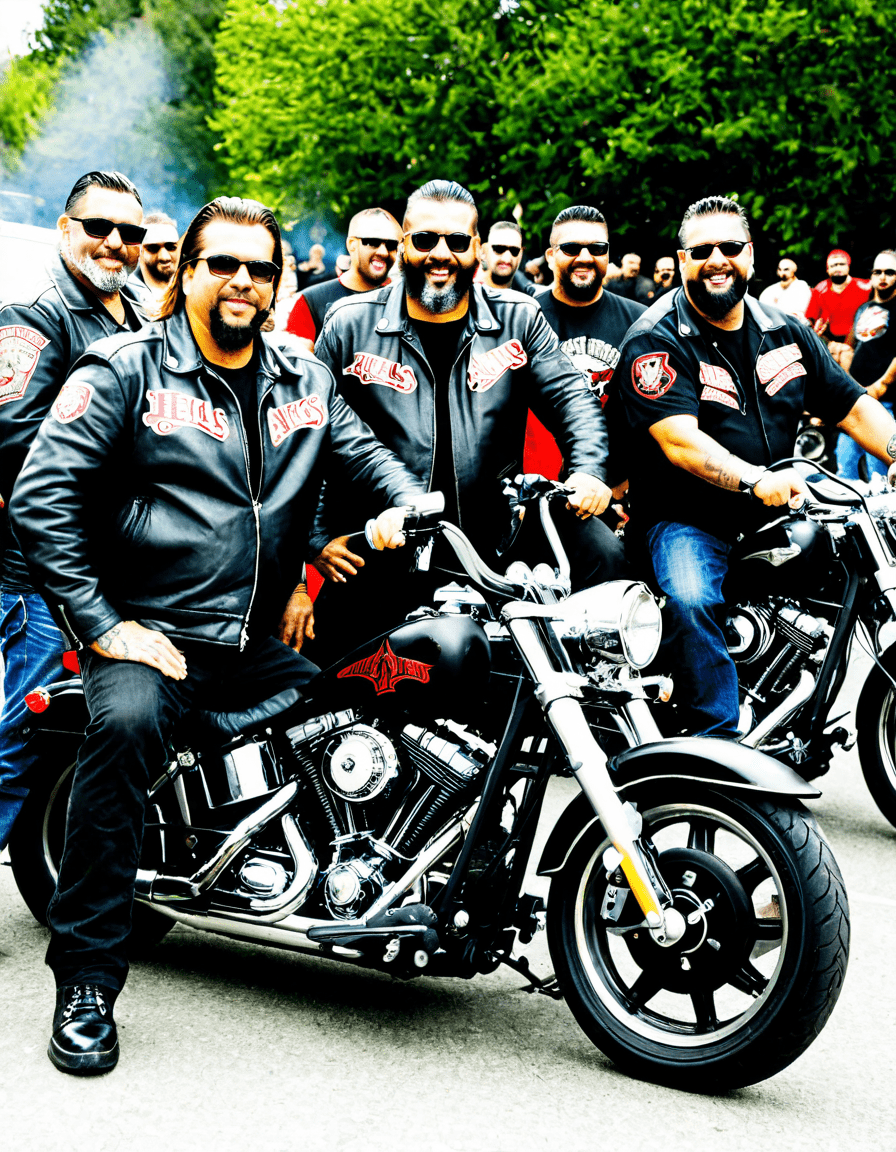
Think it’s as easy as throwing on a leather jacket? Think again. Gaining entry into the Hells Angels demands a rigorous vetting process, focusing on authenticity, loyalty, and a genuine commitment to their culture. Membership reflects a deep sense of belonging, not just a desire for a cool jacket.
Hells Kitchen: The Cultural Impact of the Hells Angels on Society
When people hear “Hells Kitchen,” they often think of the gritty neighborhood in New York City, but it also evokes images of rebellion synonymous with biker culture. Fashion, music, and even art intertwine with the allure of Hells Angels, transforming members into pop culture icons. Films like Easy Rider and shows such as Sons of Anarchy have glamorized aspects of the brotherhood—crafting a narrative that appeals to many, even those outside the motorcycle scene.
Their cultural impact isn’t limited to entertainment. The Hells Angels have embraced merchandising ventures that speak to their brand of rebellion. Limited-edition biker jackets and apparel, reminiscent of the legendary freedom they represent, have become sought-after items for both bikers and non-bikers alike. This subtle community connection taps into a human longing for freedom and adventure, regardless of actual riding experience.
There’s no denying that the portrayal of Hells Angels in popular culture has helped shape societal views. They highlight a resistance against mainstream values, an aspiration many find appealing in today’s politically charged climate. The rebellious spirit they embody continues to resonate, proving that the impact of the Hells Angels extends far beyond their formidable reputation.
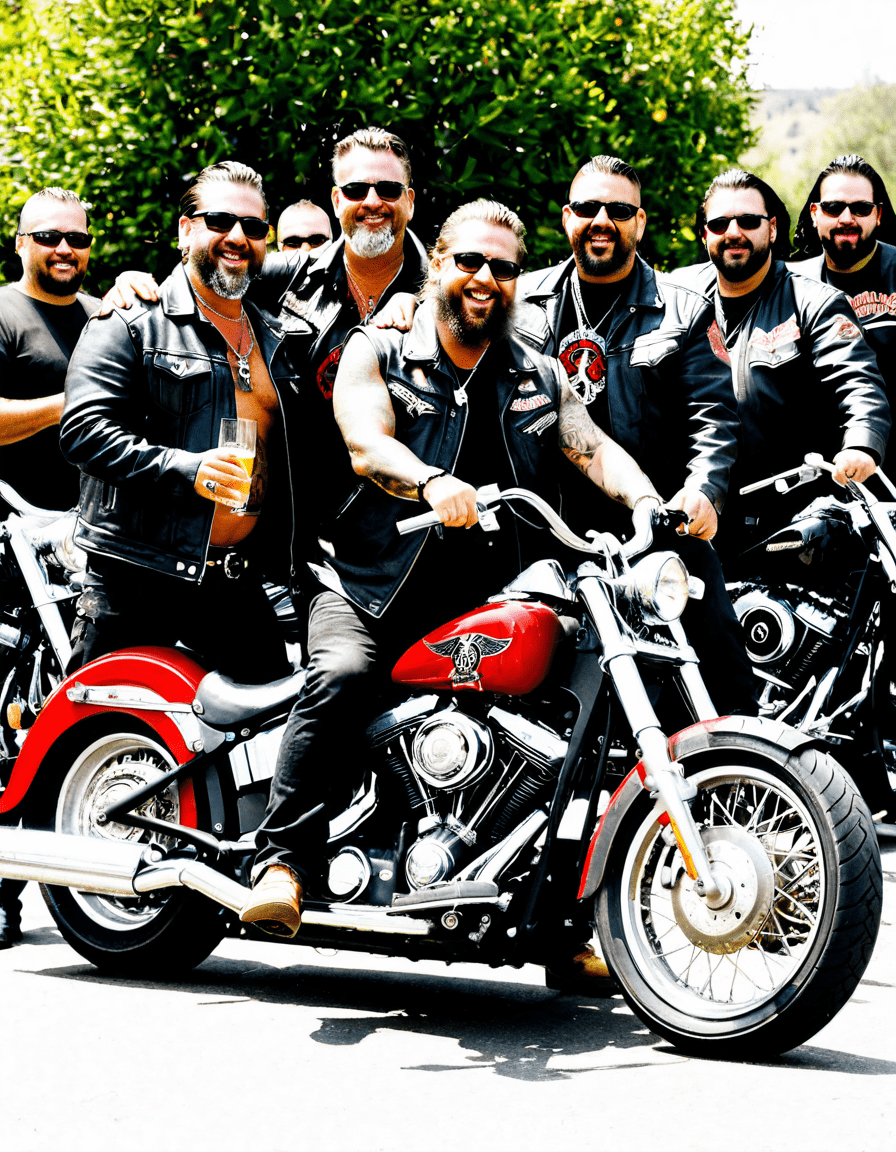
Hell on Wheels: The Lifestyle and Brotherhood of Hells Angels
Living the Hells Angels lifestyle revolves around more than just the thrill of the ride. It’s about absolute camaraderie and a powerful sense of belonging. Members often recount personal tales of how the club has become a sanctuary from the chaos of modern life. They embrace the freedom motorcycles symbolize, a spirit that the proverbial “man” cannot suppress.
The Hells Angels also give back to their communities. Organizing charity rides and fundraisers, they actively demonstrate their commitment to social responsibility—especially during times of crisis. From collecting funds for veterans to sponsoring toy drives for children, they prove that you can wear leather and still have a heart, contradicting their tough-guy image.
In many ways, these charitable acts contrast the public perception of “honor-bound savages.” The members of Hells Angels showcase a nuanced view of their identities—they are not just bikers; they are part of a community that provides support and strength amid a society that often feels disconnected. This juxtaposition is what continues to captivate the imagination of those seeking adventure.
Hells Paradise: The Global Expansion of the Hells Angels
Today, the Hells Angels have transcended the borders of the United States, with chapters established in countries around the globe, including Canada, Australia, and Germany. This international reach speaks to the universal appeal of their values—freedom, brotherhood, and a love for the open road. Each chapter adopts Hells Angels traditions while adding local flavors to their rides and gatherings.
However, such global expansion does bring its challenges. The influx of Hells Angels chapters has stirred rivalries with local clubs, sometimes leading to violent confrontations. Still, this dynamic illustrates resilience—Hells Angels are not just surviving, they’re thriving in competitive environments, adapting their ethos to new cultural landscapes.
The worldwide presence of Hells Angels is indeed a testament to their ever-lasting legacy. It’s a tale of friendship and loyalty that unites bikers across borders, proving that the love of motorcycle riding and the allure of rebellion knows no boundaries.
Riding into the Future: The Legacy and Relevance of Hells Angels
As we race into 2026, the Hells Angels continue to evoke both intrigue and discussion, adapting to the challenges of modern society. Social media has altered the way they engage with both their members and the outside world. While preserving their identity remains paramount, they’ve learned to successfully interact within the digital landscape, drawing in potential new members through various platforms.
Though the consequences of their past still linger, the Hells Angels hold on to a spirit of adventure that entices those yearning for community. In a fast-paced, disconnected digital age, they offer an alternative—a place to belong for people seeking connection and adventure outside their daily grind.
Ultimately, the Hells Angels represent something much deeper than their fearsome reputation. Their lifestyle and values craft a vibrant narrative woven into the American tapestry. The story of the Hells Angels is one of adaptability, survival, and an insatiable quest for freedom that resonates through the roar of their motorcycles. As their legacy unfolds, one truth remains clear: the lure of this fearsome brotherhood is as enduring as the highways that stretch ahead.
Hells Angels: The Fearsome Brotherhood of Bikers
Who Are the Hells Angels?
The Hells Angels, often seen as the quintessential outlaw motorcycle club, have a storied history that stretches back to the 1940s. Founded in California, they’ve resorted to a mix of camaraderie, rebellion, and the open road, shaping their identity in pop culture. Ever heard of the Greatest Showman? Just like the movie delves into unique relationships and triumphs against odds, the Hells Angels provide a glimpse into the bonds forged in adversity. Their symbol—the winged death head—has become synonymous with biker culture, influencing everything from tattoos to merchandise. It’s a badge of honor among its members but a source of trepidation for others.
Hells Angels in Popular Culture
You might be surprised to find the Hells Angels pop up in various forms of entertainment over the years. Electrifying documentaries and films often portray these bikers’ wild rides. Did you know that they even had a cameo in pop culture, being referenced in the animated movie Inside Out 2? Some characters mirror the brotherhood’s camaraderie, showing that the themes of friendship and loyalty resonate across different narratives. Even the legendary Larry King took a dive into the lives of these riders, exploring their motivations and the lifestyle they embrace. They symbolize freedom for many, yet they also inspire caution in society.
Biking Beyond Borders
The Hells Angels aren’t confined to just the highways of America. Their communities spread globally, uniting thousands of members under a shared identity. Interestingly, this has led to European chapters embracing local cultures, resulting in a unique fusion of biker culture with regional characteristics. For those wondering about the ecology of biker life, one can liken it to things like preparing Braids For Women; it’s all about the precision and flair, reflecting individuality amidst a collective spirit. These bikers often frequent hotspots that encapsulate their adventurous spirit. Places like Chaco Canyon, rich in history, sometimes attract their motorcycle expeditions. Plus, if you’re curious about their social activism, some chapters even sponsor local events, much like the Atlanta Dream champions for empowerment and social change in their communities.
In conclusion, the world of the Hells Angels presents a fascinating blend of brotherhood, rebellion, and culture. Their presence echoes not just on the highways but in our lives and media. So, next time you hear a revving engine, remember that behind that roar may lie stories as rich and layered as any film or book.