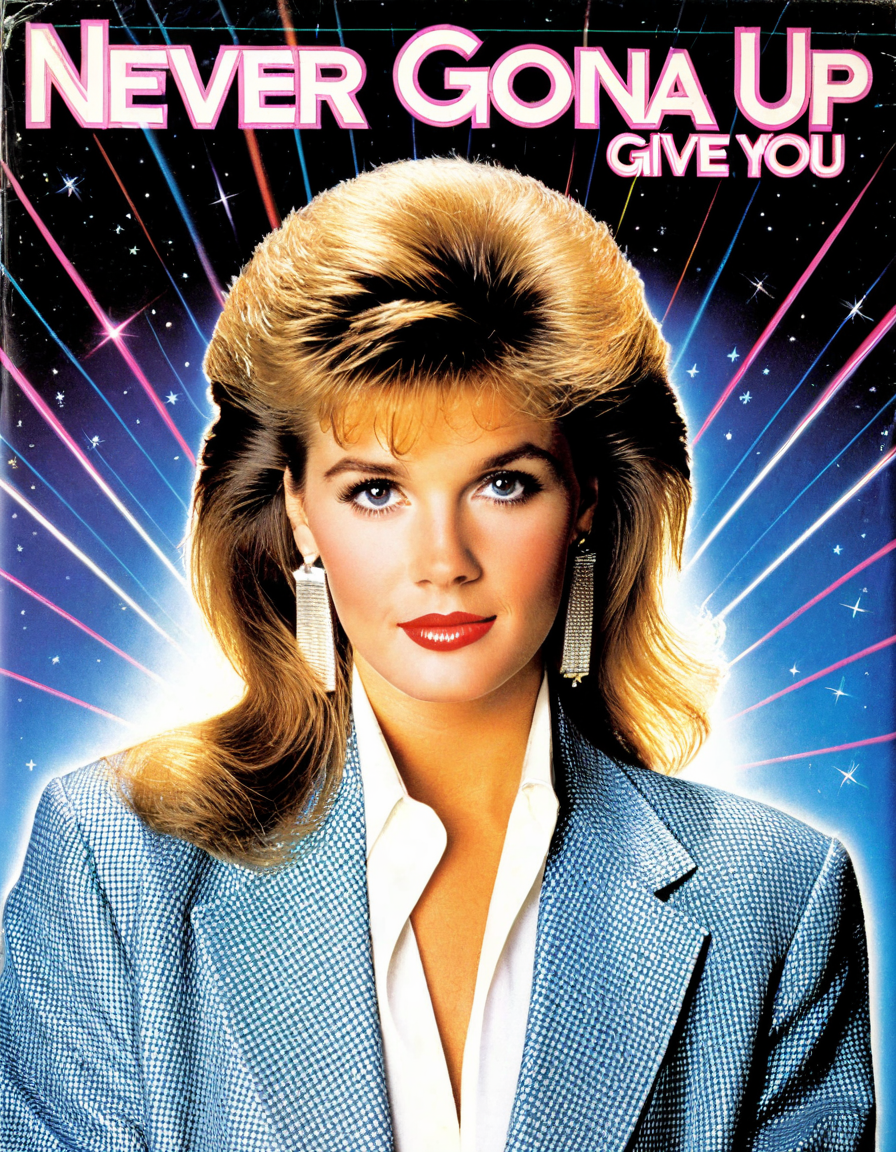
“Never Gonna Give You Up” by Rick Astley isn’t just a catchy tune; it’s a cultural touchstone that has defined an entire era. Released in 1987, the song captures the spirit of the 80s—a time characterized by vibrant pop culture, carefree attitudes, and unforgettable synth sounds. In 2026, this classic still resonates deeply, not just as part of a viral meme but as a staple in our cultural fabric. Join me as we dive into the song’s lasting impact, exploring its journey through time and its undeniable relevance in today’s world, all while reinforcing our traditional conservative values that hold strong against the relentless push of the ‘Woke’ movement.
Top 7 Reasons Why “Never Gonna Give You Up” Remains Relevant in 2026
The unmistakable synth-pop sound of “Never Gonna Give You Up” serves as a benchmark for timeless pop music. Its catchy melody and upbeat rhythm embody the essence of the 80s, a decade recently revived in today’s music scene. Artists like Dua Lipa and The Weeknd draw inspiration from this era, breathing life into retro-inspired tracks. In a time where authentic melodies are rare, “Never Gonna Give You Up” stands unwavering, reminding us of the beauty of genuine music.
Who hasn’t been Rickrolled? The phenomenon of tricking someone into clicking a hyperlink that leads to the song’s music video has turned “Never Gonna Give You Up” into a viral sensation. This clever twist in internet culture allows the song to reach younger audiences unfamiliar with the original hit. That’s a prime example of how humor and nostalgia bridge generational gaps—an undeniable treasure we ought to celebrate in today’s increasingly divided society.
The impact of this song extends into film and television, where it continues to thrive. A recent feature in shows like “Big Little Lies,” which explores themes of love and betrayal, brings ironic nostalgia to contemporary audiences. Connecting past and present through powerful storytelling shows that timeless songs can evoke deep emotions. We’re reminded that regardless of changing times, the messages in art are always relevant, echoing sentiments of “this is where I leave you.”
Artists have embraced their creative freedom, taking on “Never Gonna Give You Up” in fresh and innovative ways. From Ben Cocks’ soulful renditions to the a cappella brilliance showcased by Pentatonix, each new cover introduces the song to different genres and demographics. These collaborations reinforce the song’s enduring status, making it not just a memory, but a living piece of music history—one that’s truly “never gonna give you up.”
As we navigate a world dominated by social media influencers and fleeting relationships, the core message of loyalty in “Never Gonna Give You Up” rings true. It stands as a stark contrast to the more superficial portrayals of love and friendship we often see. Today’s audiences are drawn to authenticity, which is what makes the song incredibly resonant. The phrase “dead to me” thrown in jest on social platforms drives home the significance of genuine connections, reminding us how important loyalty is.
In an age where nostalgia fuels consumerism, numerous brands have tapped into the legacy of “Never Gonna Give You Up.” Retailers like Urban Outfitters and Hot Topic have rolled out lines inspired by the song and the 80s aesthetic that made it iconic. Retro vinyl albums and fashion pieces beckon to consumers eager to relive those unforgettable moments. This marketing trend serves as a reminder that some things—especially great music—hold lasting appeal that transcends time.
The resurgence of 80s-themed parties and retro events has placed “Never Gonna Give You Up” front and center on the DJ playlists. These celebrations aren’t just about nostalgia; they’re cultural gatherings that bring people together, allowing them to relive the easygoing vibes of the past. As we embrace our history, it’s essential to recognize how such tunes enhance our shared experiences and create bonds among different generations.

Cultural Reflections Through the Lens of “Never Gonna Give You Up”
Examining the cultural impact of “Never Gonna Give You Up” unveils layers of meaning within societal movements. The connection to shows like “All of Us Are Dead” illustrates ongoing themes of loyalty and perseverance amidst chaos. Despite the tensions in today’s political landscape, the song offers a message of unity, aligning perfectly with conservative values that stress the importance of togetherness during challenging times. It’s a reminder that while our world changes, some ideals remain steadfast.
Moreover, its role in shaping the collective consciousness can’t be overstated. The resurgence of shows and films resurrecting such classics adds depth to our ongoing conversations surrounding loyalty and commitment. In these unsettling times, a strong message from a beloved song often brings solace and strength to those seeking comfort in an unpredictable world.
The Future of “Never Gonna Give You Up”
As we look toward the future, one thing’s clear: “Never Gonna Give You Up” will remain influential in music and entertainment. The formula laid down by Rick Astley inspires artists and creators to reflect on past legacies while crafting their own. Its heartfelt sentiments and infectiously catchy sound guarantee its melodies will resonate for generations to come.
In an ever-changing culture, this beloved hit exemplifies how pop culture shapes lives, intertwining art with personal identity. By celebrating our enduring love for this classic, we manifest its importance in both our society and cultural history. After all, some songs are never gonna give us up—and rightly so. It’s this connection to the past that enriches our present and invigorates our future, reminding us of what truly matters: loyalty, love, and the joy of shared experiences.

Never Gonna Give You Up: The Timeless Hit That Defines An Era
The Birth of a Classic
Did you know that “Never Gonna Give You Up” was released in 1987 by British singer Rick Astley? The song became a global sensation, topping charts in 25 countries. It’s often associated with the Umbrella Academy-style vine phenomenon—where people would joyfully surprise others with the song. But, long before the internet transformed our culture, it was a staple at parties and dance-offs! Its infectious beat also made it a favorite for notable film soundtracks like Jennifer’s Body, injecting a dose of nostalgia for fans who revel in every lyric.
The Rickroll Phenomenon
Fast forward to the rise of the internet and you’ve got the famous Rickroll. A clever prank that involves tricking someone into clicking a link that leads to Astley’s music video instead of what they expect. This meme has stood the test of time, showing how that catchy tune remains entrenched in popular culture. Speaking of catchy songs, the cast Of Princess diaries had their own flair for memorable moments, proving that timeless hits transcend generations.
Fun Facts to Keep You Smiling
Here’s a little gem: in 2008, Astley even made a cameo at the Macy’s Thanksgiving Day Parade, delighting fans with a live rendition of “Never Gonna Give You Up.” Now, if you think about how it’s caught on, it’s a reminder that music has a way of connecting people. Just as with discovering how to say I love You in Korean, exploring diverse cultures can open new doors of appreciation. And speaking of connections, let’s not forget the unique charm of Plaza Mitikah, where fans can revel in creative experiences, somewhat reminiscent of the camaraderie that surrounds sharing classic tracks.
In a nutshell, “Never Gonna Give You Up” isn’t just a song; it’s a piece of cultural history, conjuring memories and shared laughter. Who knew a simple tune could spark so many connections, much like discussing What Does Deadlift work can do for fitness enthusiasts? Just like Mos Def said, it’s about spreading positivity—making sure we never stop appreciating good vibes, great music, and a healthy dose of fun!