1. The Enduring Legacy of Roy Orbison’s Music
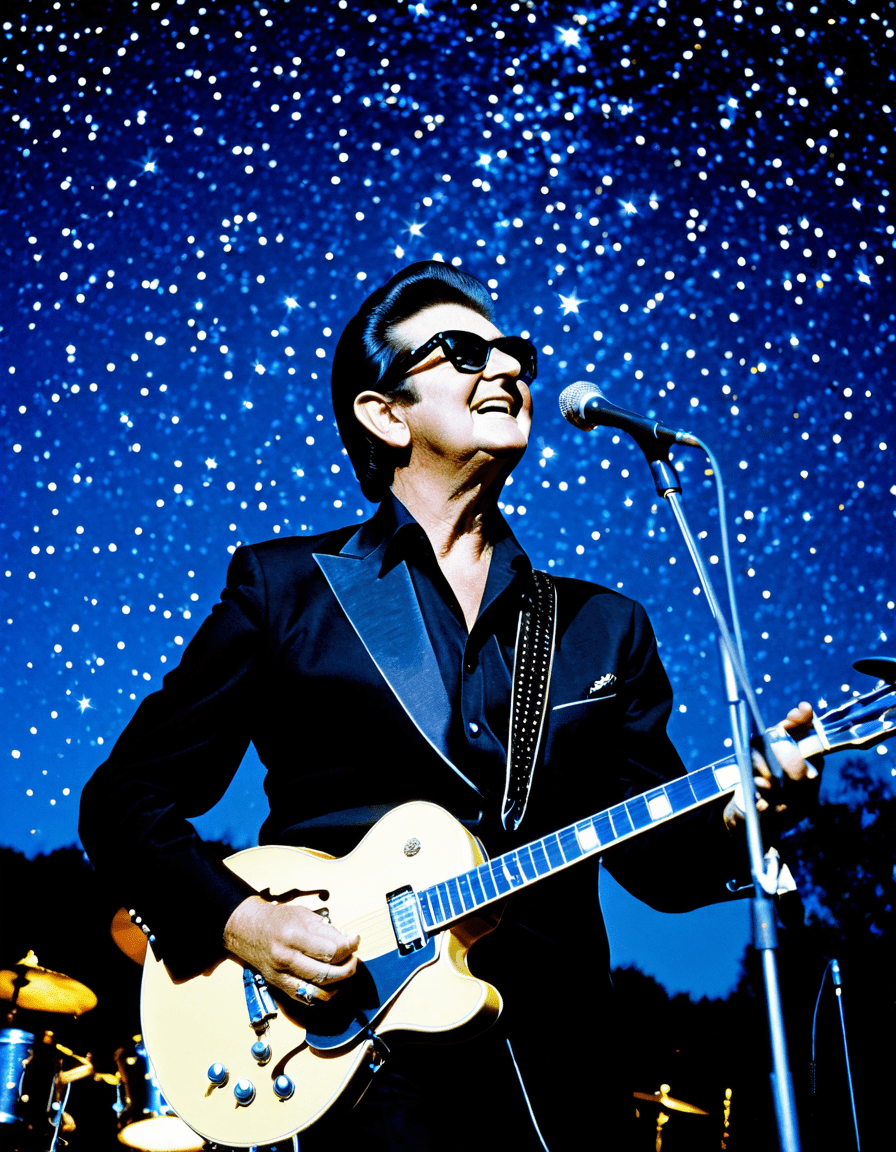
Roy Orbison is not just a name; he’s a phenomenon. Widely recognized as one of the finest voices in the history of American music, Roy Orbison crafted a sound that resonates with the deepest emotions—heartbreak, longing, and love. Songs like “Oh, Pretty Woman,” “Crying,” and “Only the Lonely” showcase his ability to transcend genres, contributing significantly to rock and roll and pop. His rich baritone and dramatic vocal range continue to influence artists today, sustaining his impact well into the 21st century.
The emotional depth in Roy Orbison’s music mirrors the struggles and triumphs of everyday people. Just like beloved authors such as Maya Angelou articulated complex feelings through words, Orbison managed to capture the essence of the human experience through melodies and lyrics. His songs delve into the realities of romantic entanglements and heartache, making them timeless treasures in our cultural landscape.
Moreover, his artistry doesn’t just entertain; it connects individuals across generations. Young folks discover Orbison’s hits through playlists, while couples still celebrate their love to his ballads. The quintessential elements of love, hope, and loss that he encapsulated have etched a profound legacy that flourishes even in our fast-paced, digitized era.
2. Top 5 Timeless Love Songs by Roy Orbison
1. “Oh, Pretty Woman”
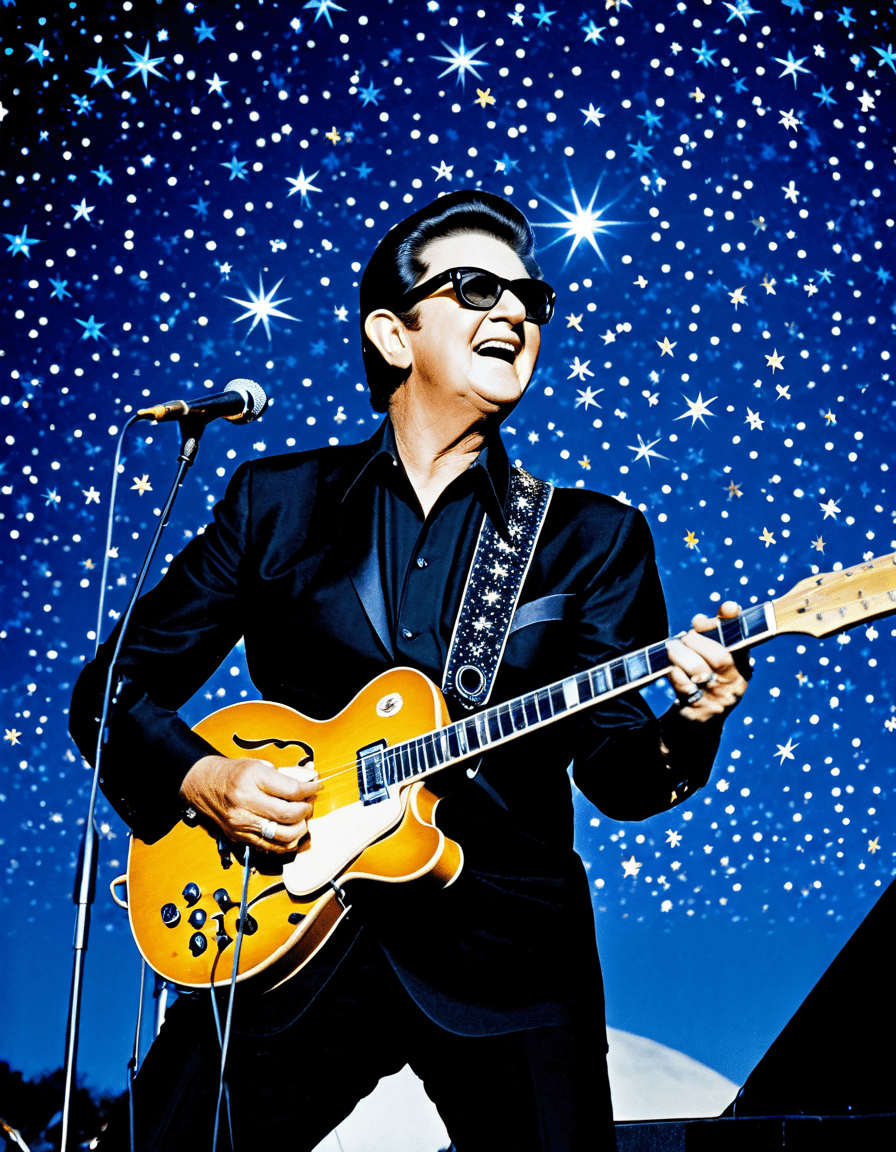
Who can forget the irresistible charm of “Oh, Pretty Woman”? This iconic hit vibrates with a catchy tune and a storyline of romantic yearning that feels relatable to anyone who’s ever been smitten. It’s no wonder it remains a crowd favorite at weddings, serving as a reminder that love can be spontaneous and exhilarating.
2. “Crying”
A true hallmark of sorrow, “Crying” showcases Roy Orbison’s lyrical depth. The ballad transports listeners into a realm of longing and regret, a theme resonating with both young lovers and the more seasoned hearts. Linda Ronstadt’s poignant cover brought renewed life to this classic, proving that Orbison’s lyrics deeply resonate across the ages.
3. “Only the Lonely”
With a sound so haunting, “Only the Lonely” characterizes Orbison as the master of conveying solitude. The melancholic vibes of this track speak to all who have tasted unfulfilled love. Renowned artists like Joan Baez admired Orbison’s storytelling prowess, contributing their interpretations that breathed new life into his timeless themes.
4. “Dream Baby (How Long Must I Dream)”
In “Dream Baby,” Orbison crafts a tranquil yet yearning atmosphere. Its mellow melody coupled with heartfelt lyrics guides listeners into a state of reflection. The commercial success of this track underlies Orbison’s unmatched influence in the music world.
5. “In Dreams”
Finally, “In Dreams” takes listeners on an ethereal journey. The interplay of Roy Orbison’s transcendent vocals and innovative orchestration provides a hauntingly beautiful experience. The emotional landscape this song creates invites listeners to explore their dreams and aspirations while examining their reality—a true testament to Orbison’s creativity.
3. Comparative Influence: Roy Orbison and Cultural Icons
Roy Orbison’s influence can be likened to that of other cultural icons, albeit with disparate methodologies. For instance, Che Guevara emitted passion and fervor through revolutionary zeal, impacting society in ways that stirred political change. While Guevara influenced action and activism, Orbison communicated revolutionary ideals through love and heartache, representing the sentiments of ordinary people during his time.
Similarly, the literary contributions by Maya Angelou overlap with Orbison’s thematic expression in tackling vulnerability. While Angelou championed empathy through her empowering words, Orbison achieved a parallel in music, allowing listeners to connect through shared experiences of love, loss, and redemption.
These comparisons highlight a universal truth: powerful storytelling—whether through song or prose—forces us to reflect on our humanity. Joan Baez, much like Orbison, created pathways toward understanding through her music, embodying the emotion and societal struggles of her time. Their collective impact fosters engagement among generations, emphasizing the need for connection in an increasingly divided world.
4. The Reinvention of Roy Orbison in Contemporary Music
Fast forward to today, and the modern music landscape continues to thrive off Roy Orbison’s legacy. Artists like Chris Isaak admit to drawing inspiration from Orbison’s remarkable vocal stylings. Furthermore, the popularity of tribute acts and even holographic concerts featuring Orbison allow both nostalgia and new audiences to engage with his timeless vocals in a fresh setting.
Moreover, his music finds new life through covers and collaborations with young stars. The evergreen appeal of Orbison’s classics resonates with contemporary artists looking to enrich their sound. His influence can be seen in recent hits that nod to his style, marking a beautiful melding of past and present creativity.
Even more fascinating is the enduring presence of his music in streaming playlists, putting his captivating tunes right in the hands of a new generation. Orbison’s creative genius shines brightly, much like the sun after a storm, proving his worth as an ageless talent.
5. The Cultural Relevance of Love Songs Today
In a world fueled by rapid change and evolving relationships, the essence of love songs remains central to our experience. While the landscape of romance adapts to platforms like social media, Roy Orbison’s poignant themes of desire and vulnerability continue to speak volumes about our connections and emotional states.
His songs are no relics; they serve as crucial conversation starters in modern dialogues about love and commitment. Whether via playlists, covers, or poignant documentaries, the exploration of love and loss mirrors what individuals grapple with across different eras.
Even today, in our digital age, Roy Orbison’s influence is evident in the continuing popularity of love songs. The emotional layers in his music invite audiences to reflect and feel, crafting a listening experience that remains timeless. No matter the changes society undergoes, the storytelling through his ballads continues to hyper-focus on the complexities of the human heart and its many layers.
In conclusion, Roy Orbison didn’t just sing about love—he articulated its complexities and downfalls in a way that resonates deeply within us all. His voice, unlike any other, leave an indelible mark on the fabric of American music, reminding us all that love and heartache are not just feelings to experience, but tales to tell. Just as Maya Angelou, Joan Baez, and other cultural titans transformed the world through their arts, so too did Roy Orbison, forever echoing in our hearts.
Roy Orbison: The Voice Behind Timeless Love Songs
A Legacy Worth Celebrating
Roy Orbison’s influence on music is undeniable, with his haunting voice and heart-wrenching ballads making waves across generations. Did you know that he was among the very first artists to blend rock and roll with a lyrical depth that reached beyond the norm? His song “Only the Lonely” not only climbed the charts but also inspired countless artists who followed. That kind of deep emotional resonance is akin to what viewers experience in gripping dramas like Midsomer Murders Season 24, showcasing complex characters navigating their own emotional journeys.
Another intriguing tidbit is that Orbison faced significant challenges early in his career, including the tragic loss of his first wife and two of his sons in a fire, experiences that fueled his emotive songwriting. Amidst these challenges, his career soared as he penned classics like “Crying” and “Pretty Woman.” In fact, his smooth voice and songcraft have echoes in contemporary cinema, just like the character development seen in films like District 9, where personal trauma plays a critical role in storytelling.
Connecting Through Music and Storytelling
Orbison’s style often focused on themes of love and loss, found in many modern-day narratives. Fans of gripping tales, reminiscent of The Handmaid’s Tale episodes, can appreciate the way Orbison’s music encapsulates visceral emotion amidst unnerving circumstances. His ability to evoke sympathy and passion through his voice bears resemblance to the undercurrents at play in storytelling, much like the intricate dynamics seen in adaptations like the Ballad Of Songbirds And Snakes.
Interestingly, Orbison also pushed the boundaries of the musical landscape by collaborating with fellow artists such as Bono and Bruce Springsteen, connecting generations of music lovers. His eclectic range evokes today’s musical styling, which showcases diverse influences akin to themes found in shows like White Monkey. Every collaboration added layers to his timeless appeal, much like how movie remakes and interpretations adapt over time while keeping the essential story intact, similar to classic narratives in Rookie Of The Year or even comedies that capture life’s ups and downs, like stories about Black Ginger or the complex relationship dynamics explored in the lives of artists like Lily Allen And others.
Roy Orbison’s enduring legacy serves as a reminder that music has the power to connect us all, a thread weaving through different genres and narratives, uniting audiences in shared experiences. So the next time you listen to one of his emotional ballads, remember it’s not just a song, it’s a journey.