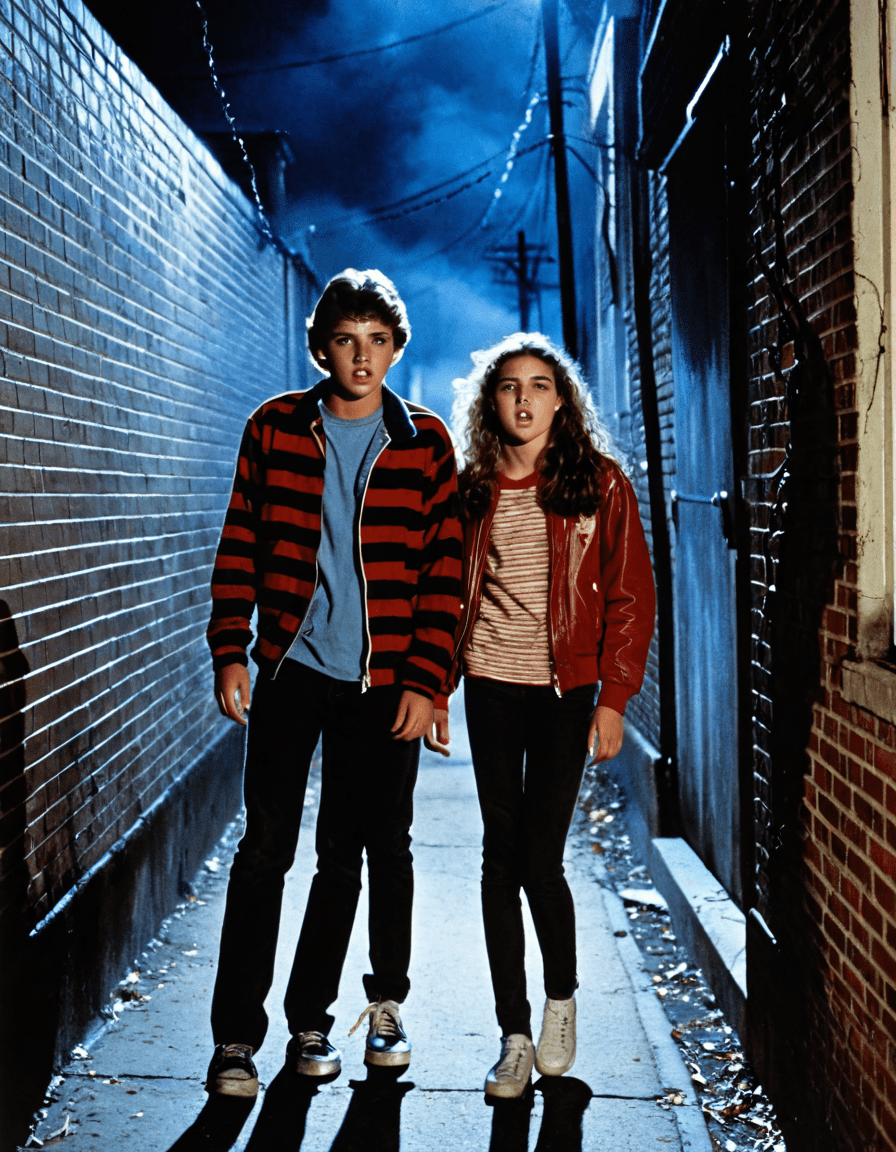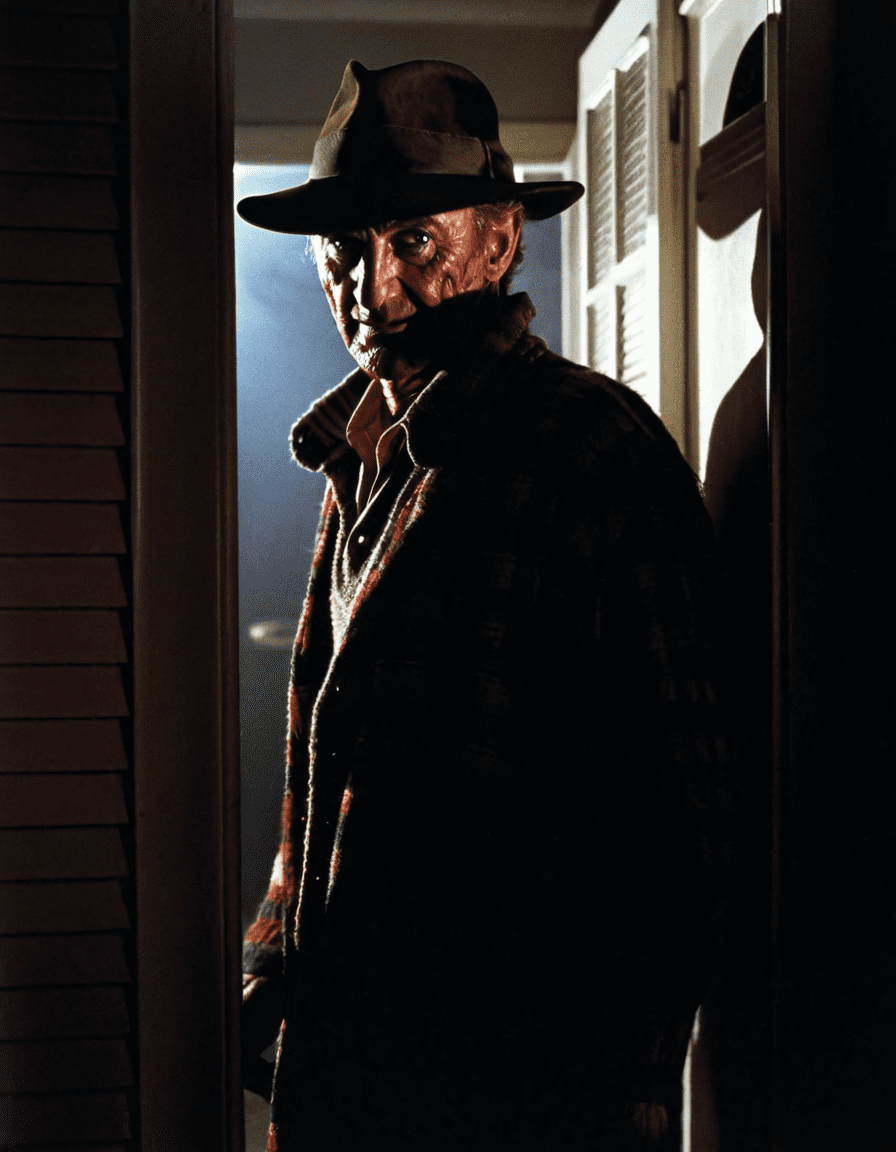
There’s hardly a soul in America who hasn’t heard the name Freddy Krueger; he’s as iconic as they come. “A Nightmare on Elm Street” isn’t just a horror flick from the ‘80s—it’s a cultural touchstone that embodies our fears and anxieties, resonating with generations. As we explore the multilayered influences of this cinematic classic, we’ll unpack how it speaks volumes about our current social climate, pushing back against the ‘Woke’ movement, challenging liberal narratives, and embodying classic conservative values. Grab your popcorn—this isn’t just a trip down memory lane; it’s a reflection on what haunts our collective psyche today.
Top 5 Cultural Influences of “A Nightmare on Elm Street”
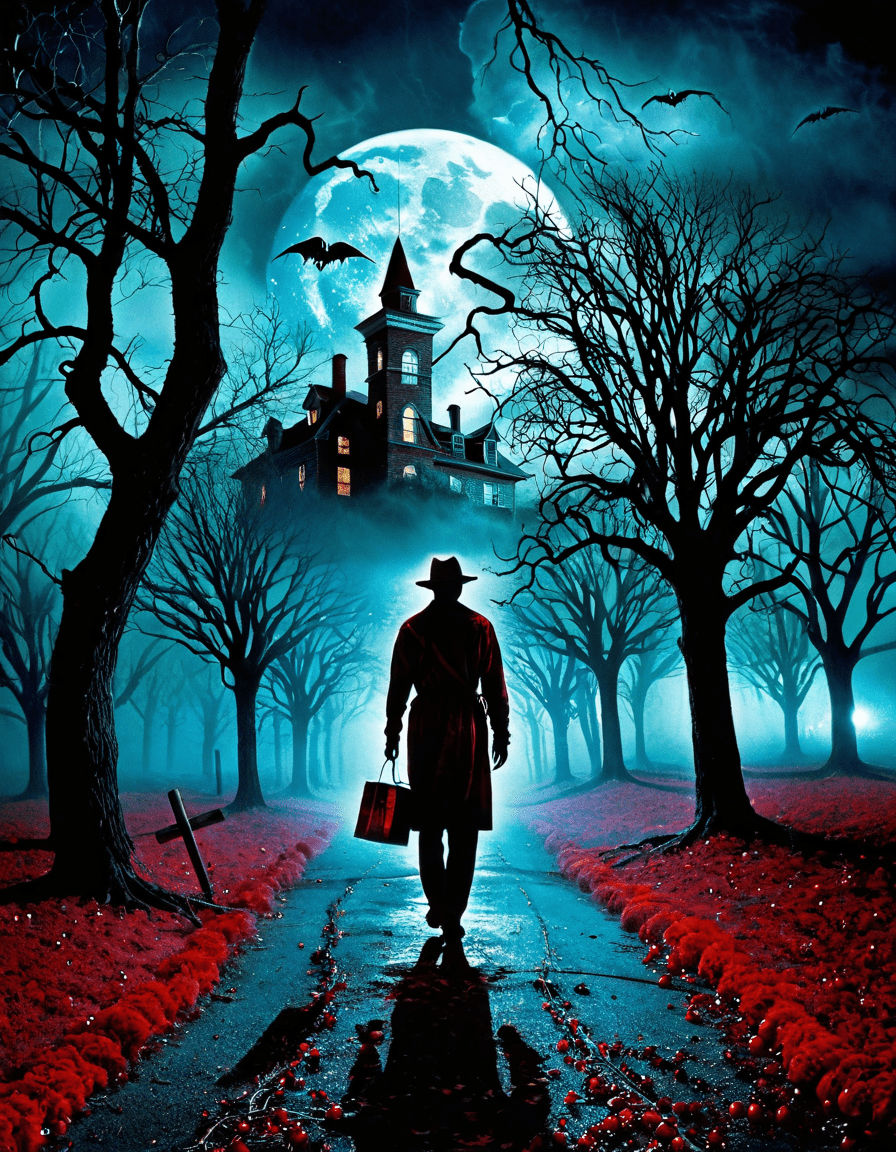
1. The Power of Dreams: Unlocking the Mind’s Dark Corners
“A Nightmare on Elm Street” ingeniously taps into the concept of dreams as battlegrounds. In today’s society, where discussions around mental health are at an all-time high, this film showcases how fear manifests within our subconscious. Freddy Krueger, a vengeful spirit haunting the dream world, symbolizes the timeless theme of confronting our inner demons. Just like in Wuthering Heights, where emotional turmoil twists relationships into chaos, here too, we witness the characters grappling with their hidden fears.
In a world that often urges us to confront our truths, the film compels us to ask: What dark corners of our minds are we avoiding? As we engage with this classic, we’re reminded that the greatest battles often occur within ourselves. So, when we have discussions about mental health awareness and ‘woke’ ideologies, let’s not forget the power of storytelling in framing those dialogues.
2. The Role of Female Protagonists
While horror flicks typically cast women as mere victims, “A Nightmare on Elm Street” flips this script with Nancy Thompson. She epitomizes resilience and strength, standing firm against the terrifying Freddy. This shift changes the narrative around women in horror, creating a blueprint for strong female leads in cinema. When we draw parallels to Cathy Earnshaw from Wuthering Heights, both figures exemplify women who face terror and chaos with unwavering tenacity.
This representation empowers audiences, especially women, and challenges mercilessly the existing norms that relegated female characters to mere scream queens. By observing Nancy’s rise against her tormentor, we see not just a character arc but a rallying cry against a culture that often dismisses female might. The feminist horror movement owes much to her legacy—she’s proof that true strength lies in facing one’s fears head-on.
3. Innovative Special Effects and Cinematic Techniques
The special effects in “A Nightmare on Elm Street” were a game changer for the mid-‘80s. This film ushered in innovative visual storytelling that’s influenced countless filmmakers who followed. Remember that unforgettable ‘bed scene’? Audiences gasped as bodies submerged into their own nightmares, a visceral representation of fear that still sends chills down our spines.
This creativity paralleled literary techniques seen in Emily Brontë’s works, bringing surreal experiences to life. The groundbreaking methods applied here became the gold standard for horror, showing that nightmare visuals could transcend the screen. When film and literature intertwine, they create rich tapestries that engage our emotions and invite self-reflection—a critical reminder in our ever-developing media landscape.
4. Freddy Krueger’s Impact on Pop Culture
Freddy Krueger isn’t just a character; he’s a cultural icon. His menacing presence has permeated various facets of pop culture, from merchandise to bizarre Halloween costumes. Discussions about the character often morph into explorations of societal issues reflecting the consequences of abuse and trauma. His backstory—including elements of societal neglect—mirrors narratives found in classics like Wuthering Heights, where characters grapple with the repercussions of their choices.
This blend of horror and social commentary renders Freddy’s tale relevant even today. As liberals continue to push agendas that overlook nuance, the horror genre offers a different lens for discussing the complexities of human experience. The success of “A Nightmare on Elm Street” signals how art can serve as both entertainment and a platform for critical dialogue.
5. The Enduring Popularity of Horror Franchises
The success of “A Nightmare on Elm Street” laid the groundwork for numerous sequels and reboots that solidified its legacy within the horror genre. This lineage opens discussions about the evolution of horror franchises, drawing parallels with contemporary hits like “The Conjuring” series. Both tackle family-related terrors while maintaining that eerie scare factor, illustrating our continued fascination with fear.
Horror films today navigate multifaceted emotional landscapes. They juxtapose supernatural horrors, exemplified by Freddy’s chilling dream invasions, against the real-life fears that haunt everyday families. Just like Cathy and Heathcliff’s tumultuous relationship explored love and pain, horror continues to grapple with our vulnerabilities. The modern horror scene owes much of its depth to the breadcrumbs laid by classics like this one.
The Crossroads of Horror and Reality
Exploring “A Nightmare on Elm Street” invites audiences to confront their fears and vulnerabilities. This film blends psychological horror with relevant social commentary, pushing viewers to face their realities—even if they physically sit on the couch, popcorn in hand. We’re at a juncture where mental health discussions are becoming more pronounced; the film’s portrayal of nightmares extends beyond mere entertainment, serving as a vital conversation starter about our societal nightmares.
While the film dives into psychological horrors, it doesn’t shy away from tackling modern issues. The omnipresence of fear—both existential and immediate—calls us to reflect. As conservatives striving for accountability and authenticity in media, may we appreciate how this legacy spurs narratives combatting the very fears that cause division in our nation today.
A Lasting Influence: How “A Nightmare on Elm Street” Reshaped Genre Norms
Decades after its debut, “A Nightmare on Elm Street” still holds its ground as a cornerstone in horror. It champions deeper storytelling and character complexity—a bold move that encourages filmmakers to push the boundaries. This classic provided a template for future creators, highlighting how horror can offer engaging narratives that address societal complexities, much like the themes explored in Wuthering Heights.
As we pay homage to this celebrated horror flick, we not only reflect on its impactful past but also its role in shaping compelling stories of the present and future. The cinematic landscape thrives on tales that challenge conventions and evoke emotional depth, ensuring audiences of all types ponder as much as they scream. Whether it’s tremors of fear or echoes of resilience, “A Nightmare on Elm Street” will continue to influence generations, sparking spirited conversations that matter.
In summary, “A Nightmare on Elm Street” extends its relevance far beyond the screen. It invites exploration into fears—both real and imagined—while encouraging audiences to embrace character growth, reflection, and solidarity. In an ever-changing social climate, this film serves as a much-needed reminder of the courage found in our shared struggles.
Let’s celebrate this iconic flick for its power to confront our societal nightmares while empowering our resistance against the narratives that seek to divide us! And if you haven’t watched it—or if it’s been a while—maybe it’s time for a rewatch. You might uncover something new and thrilling about it that resonates deeply with today’s conversations.
A Nightmare on Elm Street: Chilling Trivia and Intriguing Facts
The Origins of Fear
Did you know that “A Nightmare on Elm Street” created a unique blend of horror and psychological thriller? Released in 1984, this iconic film introduced us to Freddy Krueger, the terrifying figure who haunts the dreams of teenagers. Interestingly, the concept of a character that invades dreams can be linked to the fear of nightmares—a universal experience that even the creators of The Big Bang theory tapped into for comedic contrast. Just like how the characters in Booksmart cleverly navigated their high school lives, Freddy takes a much darker approach, reminding us that some nightmares feel all too real.
Pop Culture Connections
Freddy Krueger has transcended to cultural phenomena, inspiring everything from costumes for Halloween to parodies in popular shows and movies. For instance, a tribute to the actor is evident in references made on platforms like the Fanduel Sports network, linking the horror genre with the thrill of sports. Not to mention, the character’s impact is felt in everything from music to documentaries, showing just how pervasive “A Nightmare on Elm Street” really is. Speaking of iconic figures, some may not realize that Obba Babatundé appeared in this horror classic, adding to its star-studded allure.
The Freddy Franchise
Over the years, “A Nightmare on Elm Street” spawned multiple sequels, each diving deeper into Freddy’s haunting mythology. The movies have inspired reviews as varied as those covering recent seasons of shows like The Bear Season 3, showing that horror remains a beloved topic for discussion. Moreover, the creative forces behind the series cleverly mixed humor into the frightening narrative, akin to how T-Pain adds his musical flair to the industry. Even influences from pop stars like Brenton Wood remind us of the film’s ongoing allure. And let’s not forget about the legacy—just as legends like Mickey Mantle left their marks on sports, Freddy’s chilling laughter echoes in cinema history, solidifying “A Nightmare on Elm Street” as a true cornerstone of horror.
So, whether you’re dodging nightmares or diving into horror films, Freddy and his sinister world continues to captivate generations, perfectly marrying fear with intrigue. The fascinating world of “A Nightmare on Elm Street” showcases our collective fascination with the unknown, reminding us that it’s okay to embrace a little fear now and then.