The Astroworld tragedy shook the entire music industry to its core. The 2021 incident, which resulted in the losses of ten lives and left many others injured, underscored a harsh truth: without proper safety measures at massive gatherings, the outcome can be catastrophic. As we stand in 2026, the ripples of Astroworld’s impact continue to be felt across all music festivals. It forced the industry to confront serious questions about crowd management, artist accountability, and whether traditional beliefs about large gatherings still hold water in a world increasingly less tolerant of chaos. Festivals should represent community, joy, and togetherness; instead, the Astroworld tragedy compelled us to scrutinize everything from the entry policies to emergency preparedness.
Lessons Learned from the Astroworld Tragedy
The music world lost a significant piece of its soul during the Astroworld festival, and that sobering experience has prompted a reckoning. After events that unfolded that bitter night, it became clear that while music unites us, the environments we create for these gatherings must prioritize safety first. The lessons learned from Astroworld go beyond mere policy changes; they require a fundamental shift in how we view responsibilities in these massive undertakings. Concertgoers expect a sense of security, and any failure to provide that is downright unacceptable.
One stark realization was that no concert or festival is too big to fail safety-wise. Security measures that might have seemed overly cautious in the past have suddenly become mandated practices. The industry is now keenly aware: if you don’t adapt and prioritize safety, you risk facing severe consequences—both legally and morally.
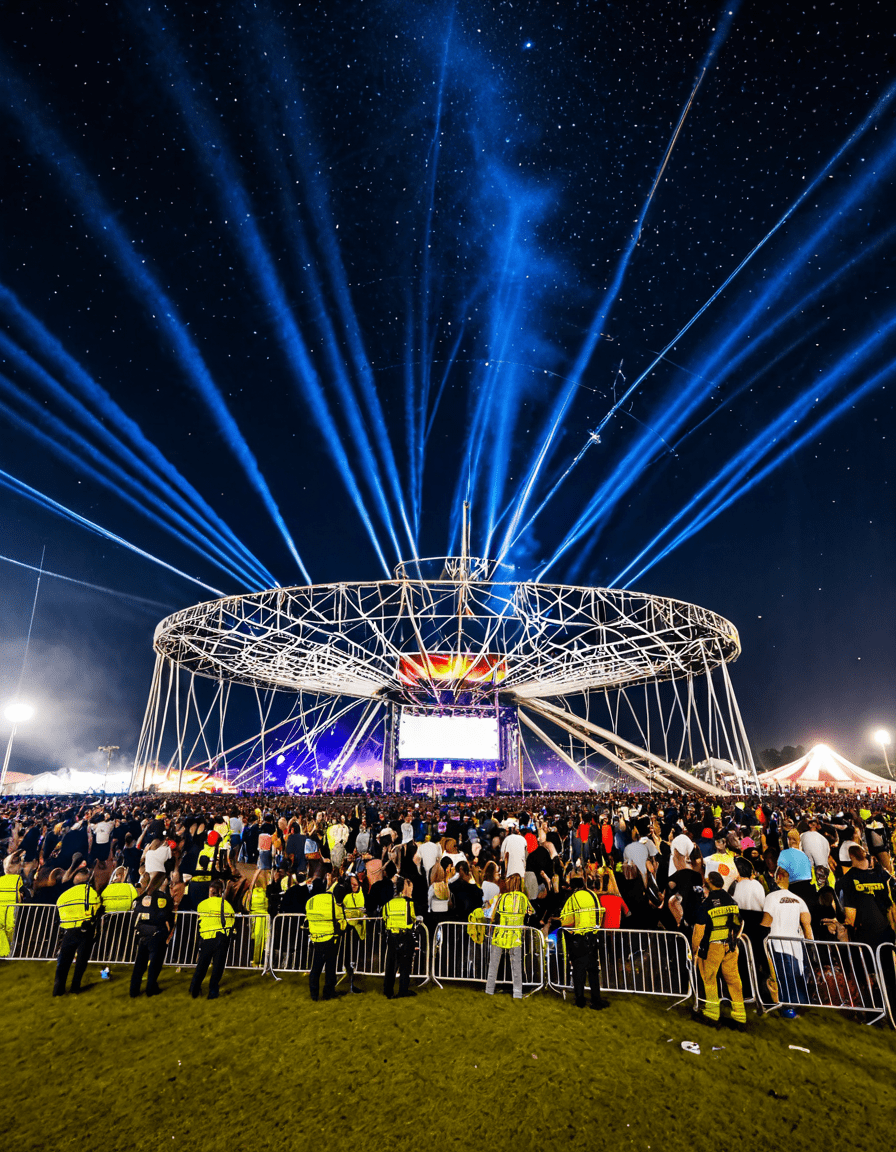
Top 5 Safety Changes Implemented After Astroworld
The Astroworld tragedy forced federal and state regulations on music festivals to change drastically. Here are the top five safety measures now standard in festivals across the country:
The Role of Technology in Preventing Future Tragedies
As we dive deeper into 2026, technology has become an invaluable partner in boosting festival safety. The integration of artificial intelligence into event planning allows organizers to model crowd behavior and spotlight potential issues long before they arise. This proactive approach is an indispensable tool for keeping everyone safe.
Cashless payment systems have emerged as another innovation. By eliminating physical transactions, festivals have reduced congestion and kept things running smoothly, making it easier to manage large crowds without sacrificing safety. We must not overlook how cutting-edge technology can revolutionize our approach to crowd management. The future of music festivals hinges on the embrace of innovation.
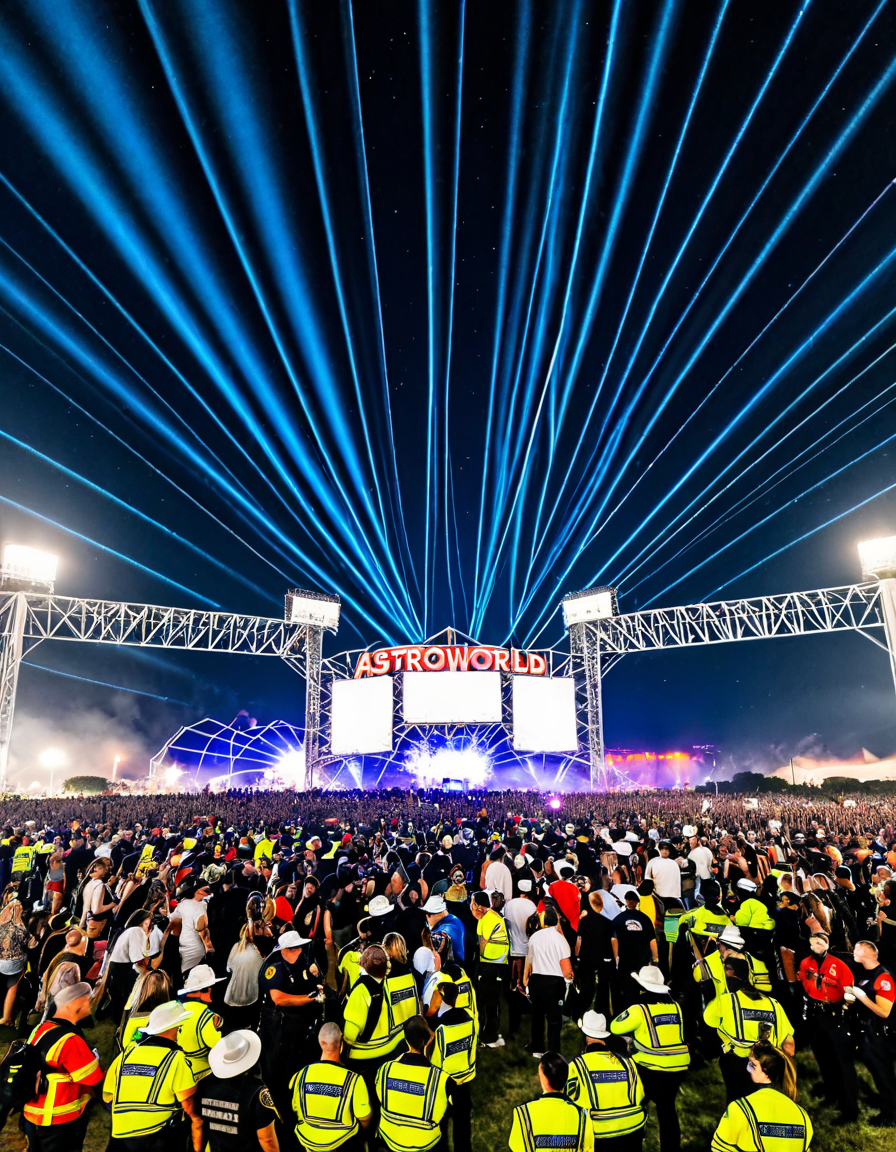
The Industry’s Response and Accountability
Astroworld didn’t just bring accountability to security measures—it raised the stakes for artists themselves. The industry must bear collective responsibility if an incident erupts. Prominent figures like Travis Scott faced backlash after the tragedy, leading to a renewed dialogue on how artists can play a role in ensuring safety. The Governors Ball Festival has capitalized on this trend, featuring pre-festival briefings where performers engage concertgoers about safety procedures.
Such conversations are pivotal in creating a safer festival culture. Artists should recognize that their influence extends beyond the stage; they have a platform to advocate for safety among their fans. This shift in accountability echoes the conservative value of personal responsibility—every individual involved must play their part in safeguarding a shared experience.
Impact on Smaller Festivals and Local Events
While larger events have the resources to make immediate reforms, smaller festivals are also stepping up in the wake of Astroworld. Take the Newport Folk Festival as an example; they’ve embraced local volunteers to help improve safety measures and prioritize accessibility for all attendees. The grassroots nature of these initiatives reinforces the idea that safety should be everyone’s responsibility, regardless of the event’s size.
These smaller events highlight the potential for community-driven solutions, a return to traditional values where people come together to actively safeguard one another’s well-being. Astroworld’s travesty has sparked conversations around safety that transcend the festival stage, urging communities to unite in addressing universal concerns.
The Future of Music Festivals Post-Astroworld
The ramifications of the Astroworld disaster resonate today in 2026. Music festivals have become places of hope and community collaboration thanks to unprecedented safety improvements. The industry now recognizes the need for effective crowd management, comprehensive medical preparedness, and a culture of accountability.
In their essence, festivals embody the spirit of music; they must provide an environment where safety and enjoyment thrive hand in hand. As we look ahead, we must unite in reinforcing conservative values that assert our rights, including the right to gather in safe spaces without fear. These gatherings must reflect joy, community, and the unbridled essence of music, allowing us all to celebrate together.
Astroworld served as a somber reminder of the fragility of these spaces, but it also ignited a movement towards reform. Moving forward, let’s champion a culture that prioritizes both safety and our love for music—together, we can elevate festivals as bastions of community once more.
And as we navigate this new normal, let’s not forget the power of unity in challenging moments—after all, we’re all in this together.
The Impact of Astroworld on Music Festival Safety
Historical Context of Astroworld
The Astroworld Festival, held in Houston, Texas, shocked the world when tragedy struck in November 2021. With more than 50,000 fans in attendance, it’s no wonder that the event showcased a frenzy that can arise in large crowds. Interestingly, this event wasn’t the first of its kind; other large festivals have faced safety concerns as well. In fact, the Rockefeller Tree lighting has become a famous New York City tradition, albeit without the chaos seen at music festivals. As the music scene grows, so does the discussion around safety measures at events like Astroworld.
Concert Culture and Remembering Icons
The concert culture has its fair share of legendary figures, akin to Brandon Lee’s unforgettable roles or the vibrant characters in the Misfits universe. Travis Scott, the headliner of Astroworld, is often compared to icons from various realms of entertainment, such as Kanye West, whose net worth speaks volumes about his influence in the industry. Fans of Scott often reminisce about his energy and connect it to memorable moments in concert history, like those depicted in films showcasing characters like Goku Ultra instinct or Jack Reacher.
Safety Lessons and Future Festivals
In the aftermath of the Astroworld tragedy, organizers reevaluated safety protocols. For instance, settlements following incidents at festivals can serve as a wake-up call for many in the industry. Understanding what constitutes a settlement can help prevent future missteps. Meanwhile, festival enthusiasts are still eager for entertainment, whether it’s a comedy like Noah or participation in the next big concert. As the music scene moves forward, it’s imperative to integrate learnings from Astroworld into future planning, ensuring that fan safety comes first.