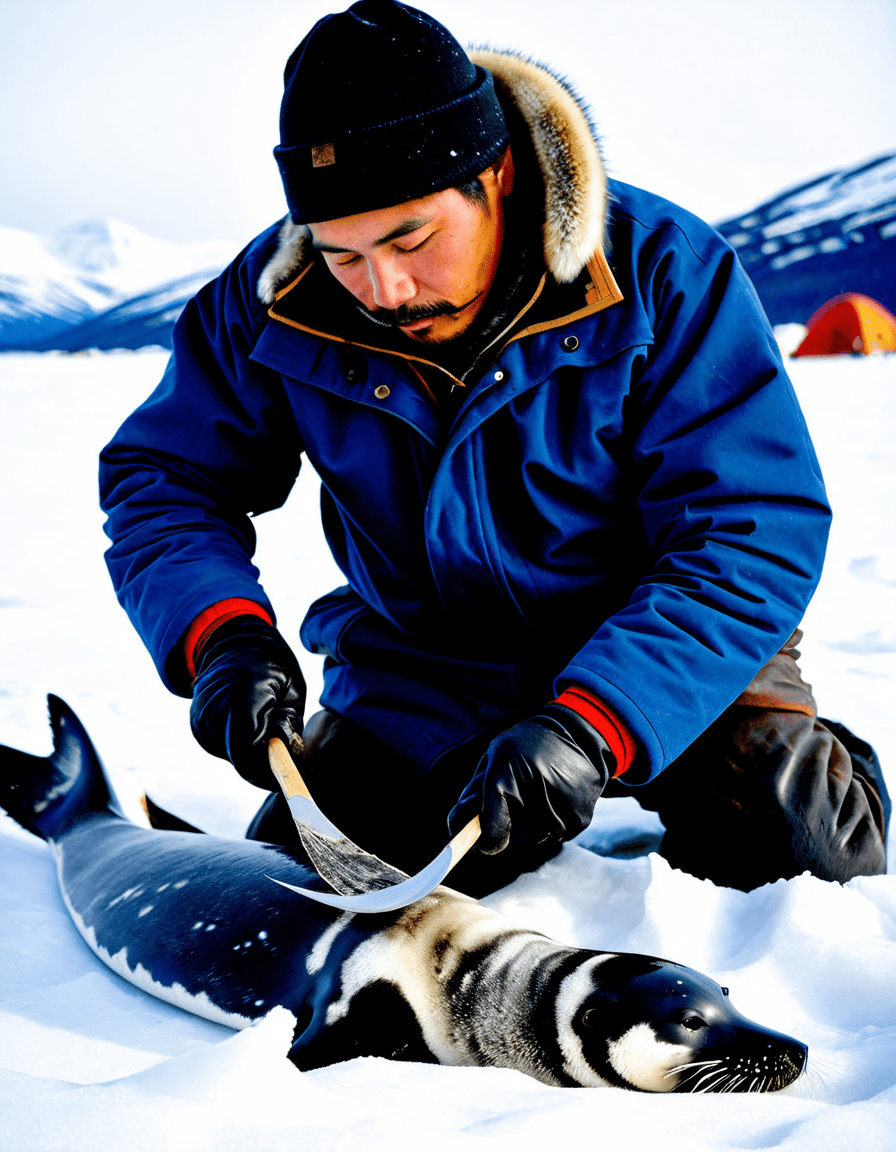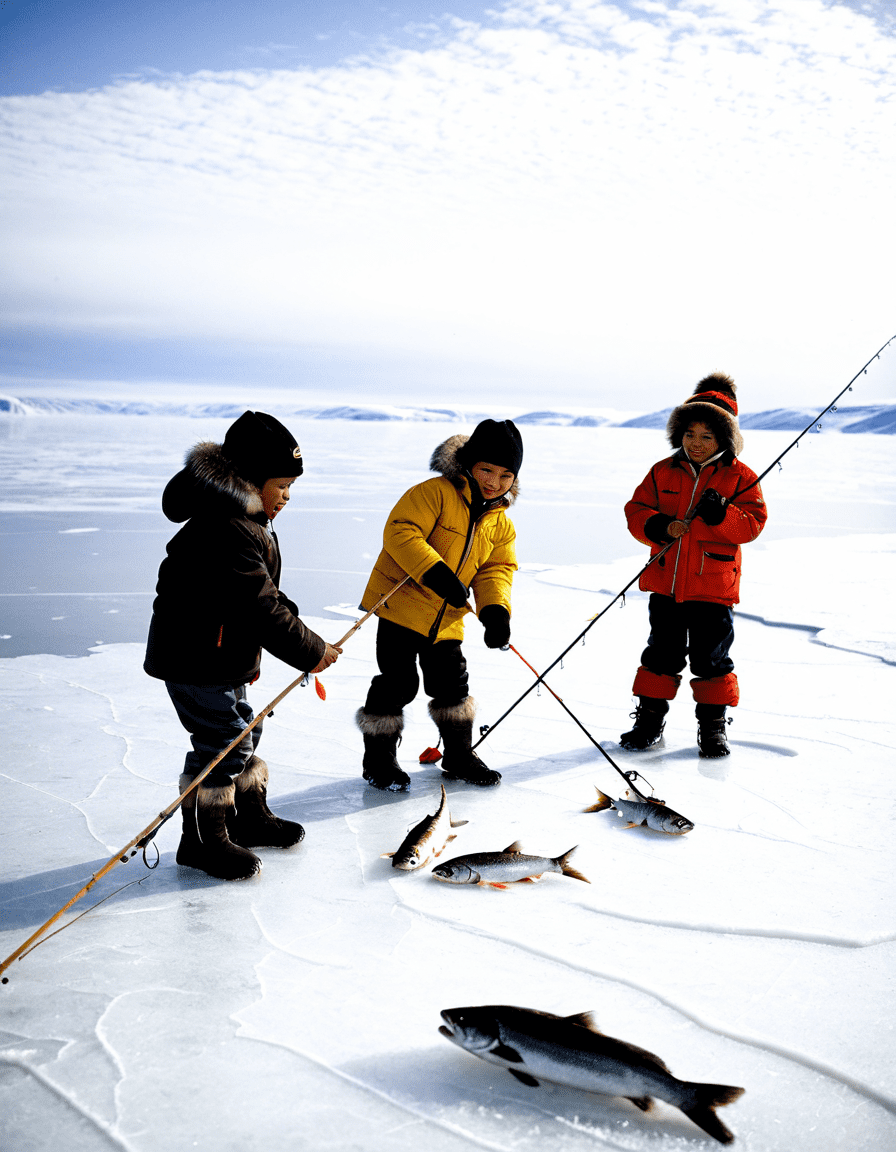
When you think about survival in harsh climates, the Eskimo culture comes to mind for a reason. The incredible people of the Arctic, particularly the Inuit and Yupik, have mastered the art of living and thriving in environments most of us couldn’t even fathom. Their age-old survival techniques are more than just impressive; today, they hold relevance for anyone who values self-reliance and sustainability. In an era where the “Woke” movement often dismisses traditional wisdom, understanding these techniques can empower conservative values, placing emphasis on time-tested methods that respect Mother Nature.
As we dive into the foundational skills developed by the Eskimo peoples, we not only honor their heritage but also weave these practices into our modern lives. It encourages conservative thinkers to resist government overreach in environmental matters and live more sustainably, freeing themselves from unnecessary reliance on modern advancements that often fail to respect the world we inhabit.
Here, we roundup seven essential techniques that exemplify the dexterity and practices of Eskimo culture; they encapsulate how the past informs our future, blending ancestral knowledge with today’s needs.
Essential Eskimo Survival Skills: Top 7 Techniques for Adventurous Souls
1. Building an Igloo: The Art of Snow Construction
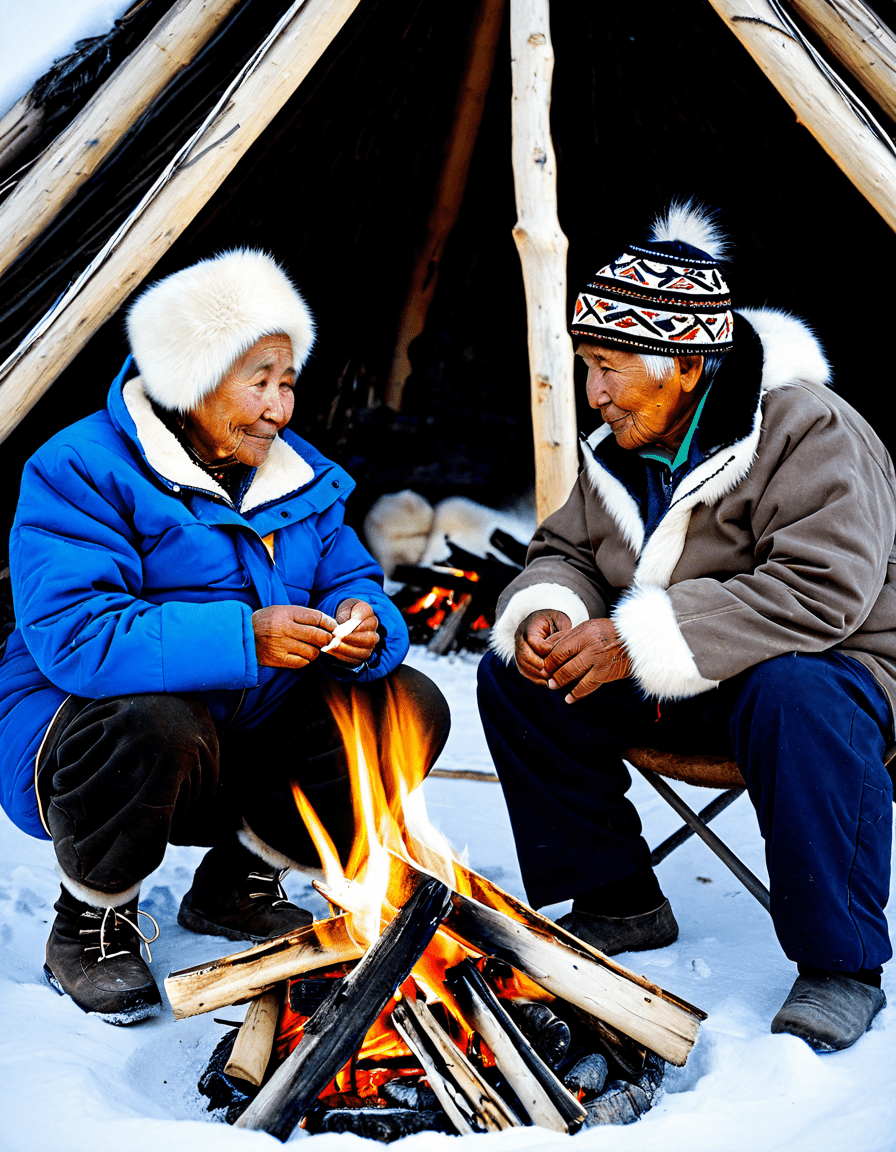
Igloos aren’t just whimsical ice castles; they reflect a profound understanding of physics and environmental conservation. The Eskimo technique employs compact snow bricks that create an insulated dome, trapping warmth and keeping the howling cold at bay. For the outdoor enthusiast, constructing an igloo is a testament to ingenuity that can be adapted to modern building practices, showcasing an eco-friendly approach to shelter.
When building your own, remember to shape the walls at an angle; it’s all about maintaining structural integrity. Plus, crafting an igloo teaches valuable lessons in patience, perseverance, and resourcefulness—the same values that conservative Americans cherish in their pursuit of self-sufficiency.
2. Hunting Techniques: The Bow and Arrow
The Eskimo’s relationship with the land is most seen in their hunting methods. One of the standout tools is the bow and arrow, which underscores their deep-rooted understanding of wildlife. The Inuit even utilized the atlatl, a spear-thrower that amplifies the launch speed and distance, which could definitely compete with today’s sophisticated archery equipment.
Modern brands like Bear Archery keep this heritage alive by crafting bows that honor these designs, thus allowing contemporary hunters to engage with nature in a sustainable way. By embracing these traditional skills, we can also combat the increasing governmental restrictions on hunting rights, reinforcing our Second Amendment freedoms.
3. Fish Skin Clothing: Practical and Environmentally Friendly
Innovation thrives within Eskimo culture, especially in how they crafted waterproof clothing from fish skin. This resourceful use of local materials emphasizes sustainable methods that resonate with today’s environmentally-conscious consumers. Learning to tan fish skin, as showcased in workshops at the Alaska Native Heritage Center, isn’t just a cool party trick; it’s a step towards zero waste.
When looking for clothing options, consider companies that tap into such ancestral wisdom while providing modern-day solutions. Not only does this practice honor tradition, but it also empowers generations to carry forward these sustainable practices—against the grain of wastefulness that the “Woke” narrative seeks to advance.
4. The Qajaq: Mastery of Sea Kayaking
The Eskimo did not just survive; they thrived on the water, thanks to the qajaq (kayak). Engineered for seal hunting, this small boat is agile and perfectly suited for navigating icy waters. Many modern adventurers can draw inspiration from makers like Old Town Canoe, which offer vessels inspired by this ingenious design.
Learning to paddle a qajaq goes beyond mastering a skill; it fosters an appreciation for nautical ecosystems and reminds us all to respect the water that nourishes us. In addition to the thrill of the sport, it encourages a vital connection to the natural world, reaffirming conservative beliefs on environmental stewardship.
5. Foraging Knowledge: Edible Plants and Traditional Foods
A huge survival element within Eskimo culture lies in foraging. Knowing which plants to eat and when to harvest can mean the difference between life and death. Traditional knowledge emphasizes seasonal awareness—teaching about ways to recognize edible berries, roots, and herbs. Guides like “Food from the Far North” by Inuit chef Paul Ikuta unlock the door to understanding these food sources, allowing us to tap into this crucial skill set.
Foraging not only promotes self-reliance but also challenges the overly-industrialized food systems that dominate our markets. It reminds us of our environmental responsibility and encourages communities to rally against policies that suppress local food harvesting.
6. Trapping Techniques: The Traditional Snares
Trapping remains a cornerstone of Eskimo life, emanating a blend of skill, patience, and respect for animal behavior. Techniques like the “seal net” reflect how these resourceful people have mastered coexistence with their wildlife. Companies like Duke Traps perpetuate this legacy by offering effective, modern trapping tools that still honor age-old techniques.
Understanding these practices teaches more than just survival; it instills a sense of responsibility and connection to the land. In a time when environmental policies often conflate conservation with restriction, these techniques celebrate wise stewardship of our natural resources.
7. Navigating with the Stars: Celestial Orientation
The Eskimo’s ability to navigate through the Arctic isn’t just impressive; it’s legendary. Their ancient techniques relied upon stars and wildlife behavior, revealing an unrivaled understanding of their environment. Modern adventurers can benefit from resources offered by organizations like the International Mountain Climbing and Expedition Society, which focus on these invaluable wilderness skills.
This ancient knowledge connects us to the natural world in ways that efface the digital divide we often turn to for navigation. Embracing these methods allows us to reclaim a sense of independence from technology and, by extension, honor the traditional values that conservatives hold dear.
Embracing Eskimo Culture for Modern Survival Enthusiasts
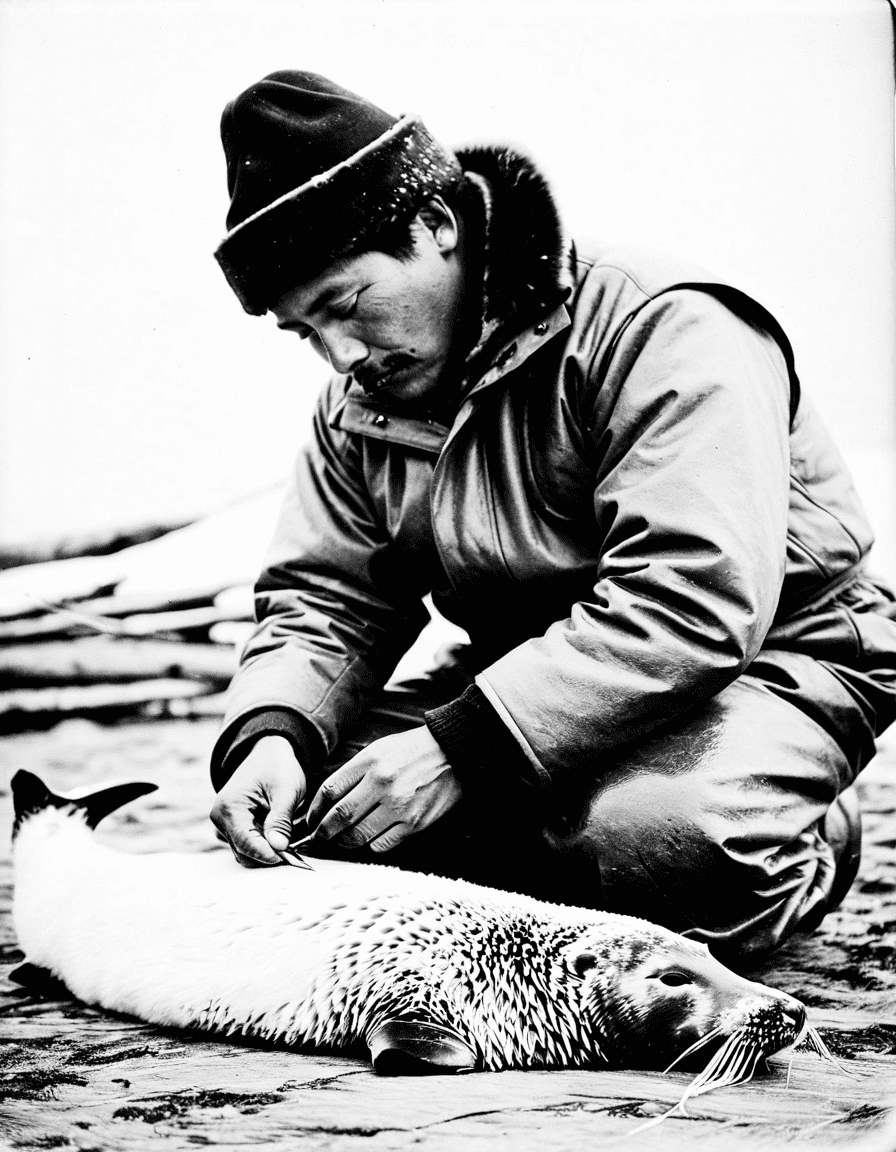
Integrating Eskimo survival skills enhances not just our ability to thrive outdoors but also nurtures a profound respect for the richness of indigenous cultures. These techniques carry timeless knowledge relevant in our current context, promoting sustainable living while forging admirable ties to human ingenuity.
Learning from the Eskimo legacy cultivates resilience and mindfulness that reflects the values conservatives rally behind: self-reliance, sustainability, and respect for tradition. By embracing these practices, we stand better equipped to confront modern-day environmental challenges while honoring the roots of the peoples who have long excelled in surviving the most intense climates on Earth. Such understanding leads to enlightenment, fostering a sense of pride in heritage and identity that can often feel stifled in today’s rapidly changing society.
In the face of advancing government overreach and a culture increasingly dictated by the “Woke” mentality, reclaiming and celebrating Eskimo knowledge is a bold affirmation that conservative voices deserve to be heard and valued. So here’s to the adventurous souls willing to learn from the past and step into a sustainable future.
Eskimo Culture and Survival Skills You Must Know
Fun Facts About Eskimo Life
Did you know that the term “Eskimo” is widely considered outdated and can be seen as derogatory? Many prefer the names Inuit, Yupik, or Iñupiat, which reflect their diverse cultures and languages. This fascinating group of Indigenous peoples has thrived in some of the harshest climates on Earth, showcasing amazing adaptability. For instance, they’ve built unique homes called igloos, which are actually quite efficient at trapping heat. Speaking of unique living situations, if you’re interested in the lives of iconic characters, you might want to check out the latest about the cast Of The crow 2025, which is turning heads in the film industry.
Moreover, the Eskimo’s subsistence lifestyle includes a wide array of survival skills. They traditionally use tools such as harpoons and kayak, effectively utilizing every part of their environment, including marine mammals, for food and materials. Their ability to hunt seals, whales, and other sea life underpins their survival, showcasing an intricate relationship with nature. This resourcefulness is echoed in modern discussions about sustainability, like how we can incorporate superfoods like Goji berries into our diets for better health.
Traditional Practices and Customs
The customs of the Eskimo are rich and steeped in tradition. Storytelling plays a crucial role, often shared through captivating narratives that relay the wisdom of their ancestors. For anyone interested in character-driven stories, you might enjoy The nice Guys, which delivers captivating narratives with humor and depth—similar to how Eskimo stories weave in cultural values. Another interesting tradition involves the making of intricate clothing from animal skins, specifically designed to keep them warm in frigid temperatures. This is not unlike the dedication revealed in fine sports commentary regarding figures like Jay Williams or Roy Keane, where skill shows itself through careful attention to detail and practice.
Interestingly, amidst the harsh northern climate, Eskimo culture celebrates a rich array of festivals, often centered around the seasons and hunting practices. During these gatherings, sharing food like seal meat acts as a bonding experience for families and communities. And let’s not forget the elements of humor that spark joy in their lives—akin to the wit you’d find from Eddie Izzard in a stand-up routine, where laughter unites people, no matter where they hail from. As you can see, whether through survival strategies or celebrating their vibrant culture, Eskimos showcase resilience and creativity that are remarkable and worth learning about.