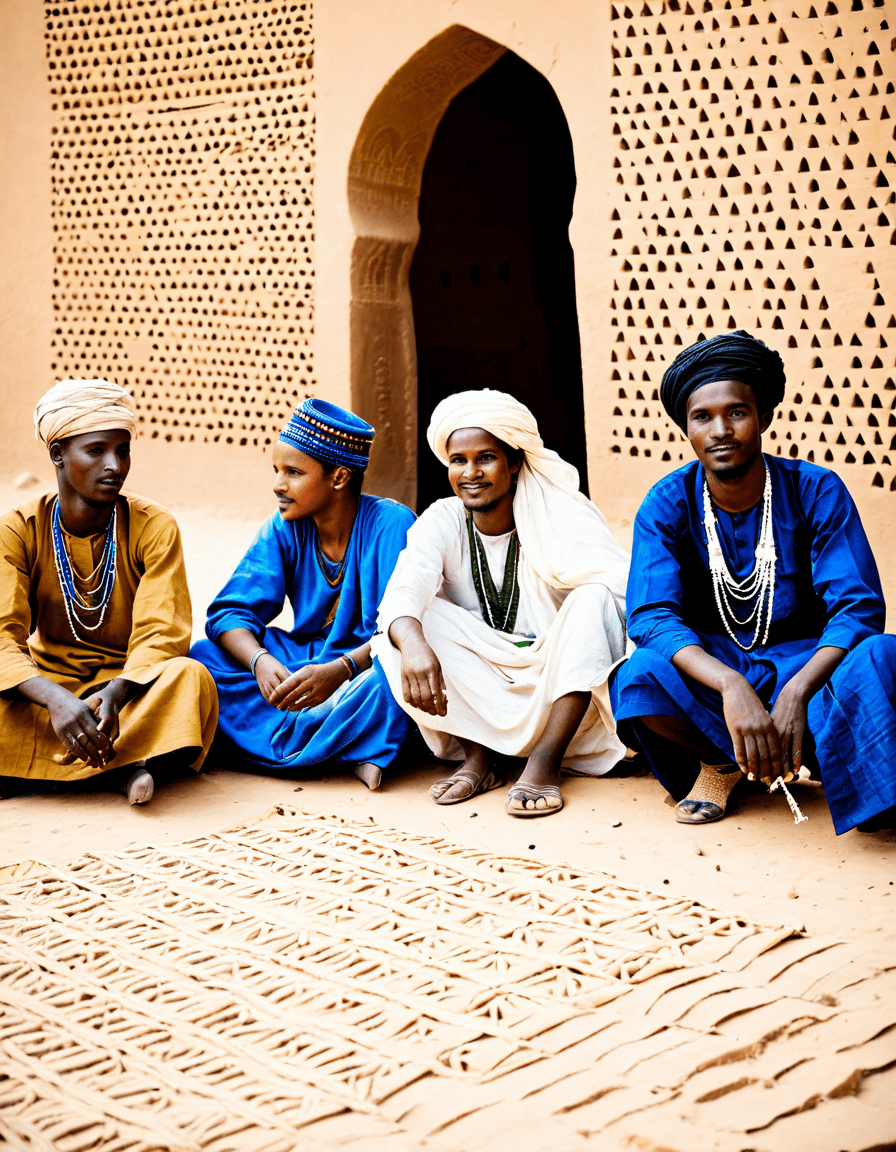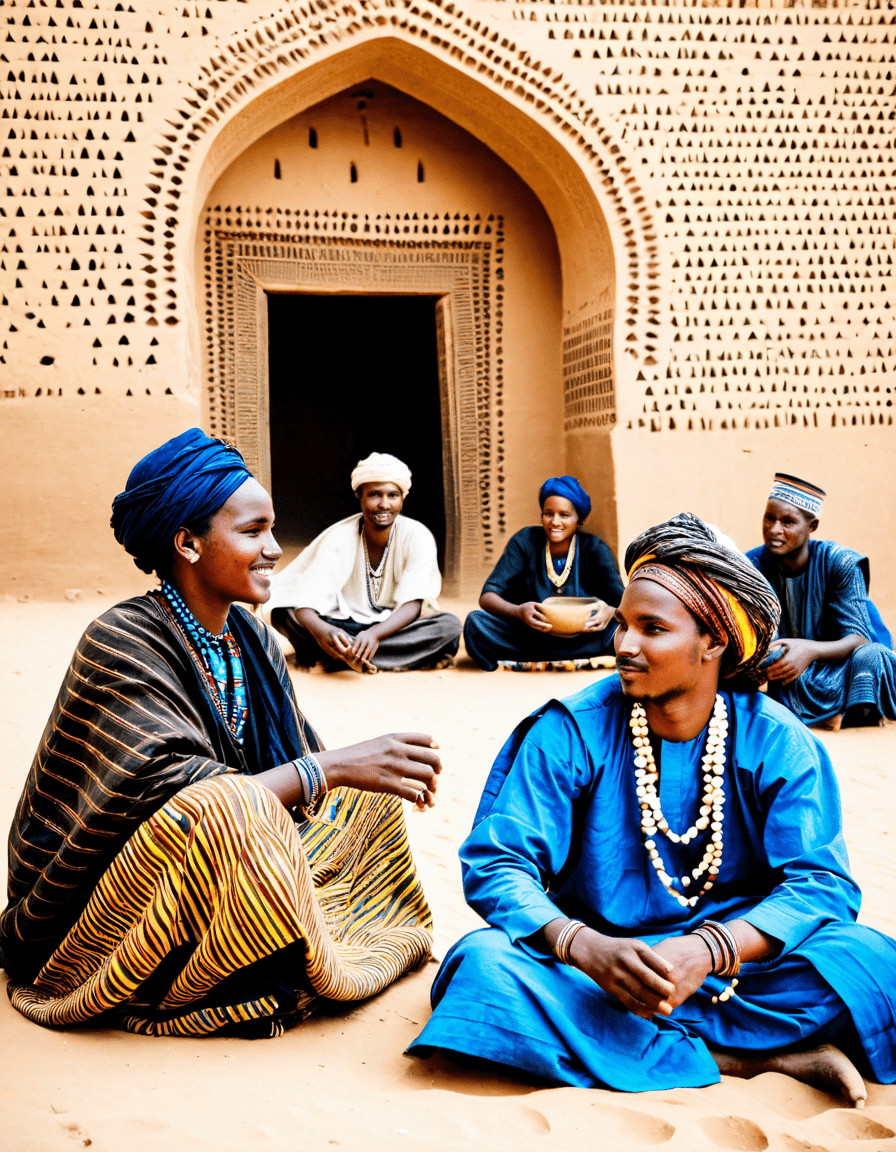
Timbuktu, a name that immediately conjures images of an elusive land brimming with wisdom, serves as a beacon of ancient knowledge and culture. Nestled in the heart of Mali, Timbuktu achieved greatness as a scholarly hub and trading post. Founded in the 11th century, this remarkable city prospered by bridging the Mediterranean and sub-Saharan Africa. Its strategic location along the trans-Saharan trade routes didn’t just fuel commerce but also facilitated an incredible exchange of ideas, ideas that still resonate powerfully today. By the 15th and 16th centuries, this extraordinary city became synonymous with wisdom, and its libraries housed an impressive collection of texts that attracted scholars from across the Islamic world. Talk about a golden age of enlightenment!
1. A Brief History of Timbuktu
Timbuktu’s historical evolution is nothing short of fascinating. Initially a caravan stop for traders, the city flourished as a cultural and intellectual oasis. Merchants exchanged goods like gold and salt, but it was the intellectual exchange that transformed Timbuktu into a center of knowledge. The city was not just about wealth; it was about wealth of wisdom. Scholars and thinkers gathered to discuss, learn, and expand their fields of expertise.
By the 15th century, Timbuktu had developed prestigious institutions that focused on various disciplines, including astronomy and law. It was during this time that great minds like Ahmed Baba emerged, writing texts that contributed immeasurably to Islamic scholarship. This era etched Timbuktu in history as a city that celebrated learning, standing firm against ignorance. The legacy of Timbuktu is more than just relics; it is a testament to the power of knowledge in navigating the complexities of the world.
2. Discovering Timbuktu’s Intellectual Treasures
2.1. The Great Manuscripts of Timbuktu
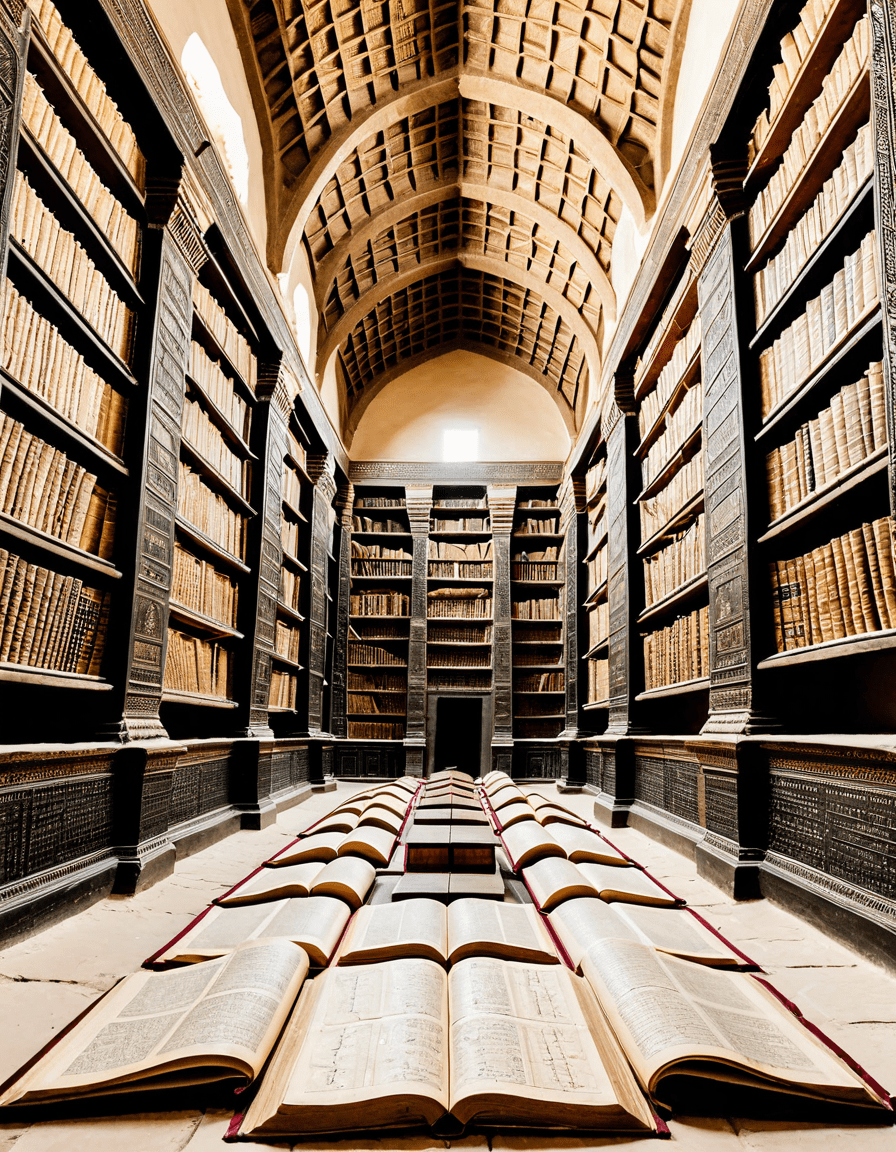
When you think of Timbuktu, you can’t overlook its manuscripts, tens of thousands of unique writings that encapsulate the historical and scholarly significance of this city. With over 700,000 texts, the manuscripts cover diverse subjects that span astronomy, medicine, law, and history. Think about that! Works like “The History of the Soninke” and “The Treatise on the Science of the Stars” showcase a breadth of knowledge that existed centuries ago, profoundly impacting how we understand history and science today.
These manuscripts aren’t just ancient documents; they reflect an advanced understanding that challenges stereotypes about African scholarship. Imagine scholars sitting under the thatched roofs of Timbuktu, discussing celestial bodies or legal principles with unbounded enthusiasm. This intellectual tradition is a shining example of how far humanity can go when cultures intersect to foster collaboration and learning.
2.2. Timbuktu’s Influential Scholars
The legacy of Timbuktu is rich with intellectual giants like Ahmed Baba, a 16th-century historian whose works solidified his reputation as one of the leading figures of his time. Scholars flocked to Sankore University, a magnum opus of educational excellence that drew students from continents beyond Africa. This institution was pivotal in disseminating knowledge, allowing students to explore philosophy and science in an exciting environment.
Every corner of Timbuktu exuded scholarly vigor. Imagine the vibrant debates between students as they honed their theories and challenged conventional thinking. The contributions made during this era laid a foundation for various disciplines that remain influential in contemporary discussions. It’s a vivid reminder that progress often flows from the footprints of our predecessors.
2.3. The Architecture of Knowledge
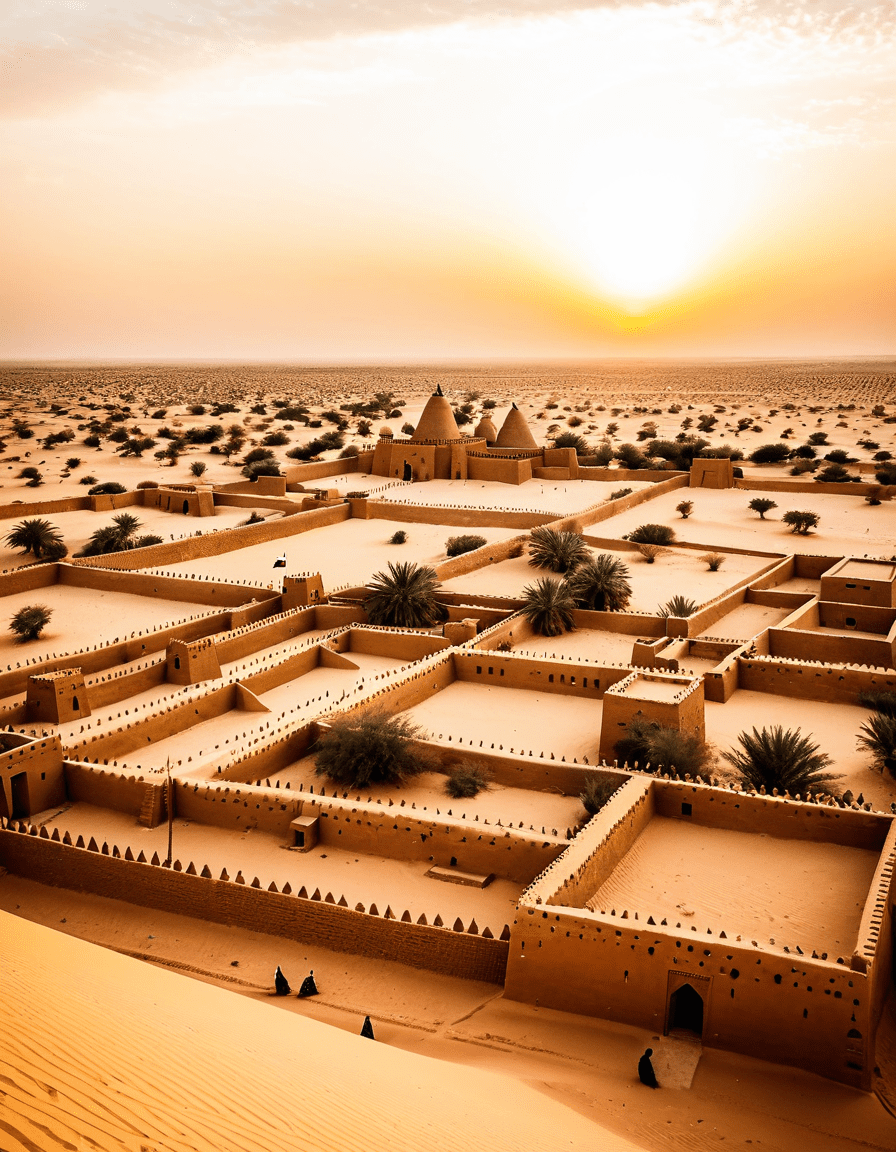
Visiting Timbuktu is akin to stepping back in time. The city’s iconic mud-brick architecture, like the Djinguereber Mosque and the Sankore Mosque, isn’t just beautiful; it symbolizes a deep commitment to education. These architectural gems served as learning centers where scholars gathered to exchange their insights.
Their walls are infused with the wisdom of ages—a reflection of the high regard for learning that permeated Timbuktu. Such structures make it clear that Timbuktu was not only about books but also about building an environment conducive to the growth of knowledge. These mosques echoed with discussions that shaped the minds of generations.
3. Timbuktu’s Modern Significance: A Beacon of Resilience
3.1. Preservation Efforts Post-Conflict
Fast-forward to more recent times, and you’ll see that Timbuktu faced mounting challenges, particularly during the armed conflict that threatened its cultural heritage. However, the resilience of its people shines brightly through modern preservation efforts. Organizations such as the Ahmed Baba Institute actively work to digitize these crucial manuscripts. Their mission: safeguard against potential destruction and keep the flame of knowledge alive.
In a world increasingly engulfed in chaos, Timbuktu teaches us a valuable lesson—preserving knowledge is vital for future generations. The modern efforts to protect its manuscripts highlight the commitment of the global community to stand with Timbuktu, and that effort is nothing less than heartening.
3.2. The Global Impact of Timbuktu’s Legacy
Timbuktu’s influence extends way beyond Mali; it serves as a powerful reminder of the historical exchange of knowledge that has shaped civilizations. This extraordinary city isn’t just an old relic stuck in time; it has a vibrant legacy inspiring contemporary educational discussions. The recent designation by UNESCO as a heritage site reaffirms its essential role in promoting cultural preservation and educational empowerment worldwide.
Scholars and educators are increasingly recognizing Timbuktu’s significance. The lessons learned from this ancient center of knowledge echo in today’s dialogues about education’s role in shaping societies. It’s not merely a local tale; it’s a global lesson!
4. The Future of Timbuktu: Bridging Ancient Wisdom with Modern Education
As we venture deeper into the 21st century, the challenge remains: how do we merge Timbuktu’s historic legacy with modern educational practices? Institutions like the University of Timbuktu aim to integrate traditional knowledge with contemporary curricula. This innovative approach breathes new life into how education is perceived, acknowledging the invaluable cultural heritage Timbuktu embodies.
Consider the economic revival through educational tourism. Visitors flock to the region to experience this incredible blend of history and modern teachings, thus helping sustain the local economy. Timbuktu is not just a relic but a source of inspiration for a global educational landscape.
5. Revisiting the Importance of Timbuktu in Today’s World
In an age marked by rapid technological advancements and the hustle of globalization, Timbuktu stands tall as a testament to knowledge’s transformative power. Looking back at its narrative emphasizes the importance of preserving our cultural identities amidst modernization. It’s as if Timbuktu beckons us to reflect on our past and guide us toward a more informed future.
This city of ancient knowledge continually inspires us to value education, closing the gaps created by divisions. As we honor its rich legacy, let’s ensure that future generations understand the vital role of education in shaping societies. Timbuktu, a beacon of resilience, calls for a commitment to safeguarding the educational legacies that pave the way for human understanding and progress.
Timbuktu reminds us that in all our endeavors, education should be at the forefront, guiding us as we navigate the exciting road ahead. Just like the classics—like Reese Witherspoon Movies or the charm of a George Lopez show—the stories and lessons of Timbuktu will forever hold a significant place in our hearts and minds. Let’s treasure it for generations to come!
Timbuktu: The Extraordinary City of Ancient Knowledge
A Historic Haven
Timbuktu, a name that often brings to mind visions of distant lands and historical treasure troves, is more than just a dot on the map—it’s a living testament to the vibrant culture of scholarship. Nestled along the banks of the Niger River, this ancient city served as a goldmine of knowledge for scholars from around the globe. Fun fact: Timbuktu was once home to the renowned University of Sankore, where students studied subjects like astronomy and philosophy. Imagine a bustling medieval campus, kind of like a modern-day university, brimming with the excitement of learning—certainly reminiscent of the dynamic atmosphere akin to something from Liam hemsworth Movies where you witness epic adventures unfolding.
Cultural Melting Pot
But wait, there’s more! Timbuktu isn’t just about math and science; it also represents a melting pot of diverse cultures. Positioned at the crossroads of trade routes, it attracted merchants, scholars, and travelers. You could say it was the Doug Jones of ancient cities, always the go-to place for unexpected yet enriching experiences. Ever heard of the famous African storytellers known as griots? They played an instrumental role in preserving history and culture, much like modern entertainers weave narratives in films. It’s fascinating how the art of storytelling has persevered through the ages, don’t you think?
Legacy of Knowledge
When you think about the knowledge housed in Timbuktu, think of it as an ancient library that rivaled the famed Library of Alexandria. The city’s libraries contained thousands of manuscripts that illuminated the world’s mysteries. Among these were texts not just in Arabic but also a variety of local languages! In a way, it was an early version of today’s map Of Montana Cities—a layout of civilization where knowledge was charted and shared. In modern times, we see this legacy echoed in the realm of storied athletes and entertainers. Curious about how legends like Terrell Owens have inspired the youth? Just like the influence Timbuktu had on education, the impact of popular figures can ripple through generations, igniting passions and pursuits.
Timbuktu remains a symbol of resilience, a city that defied the sands of time, showing us that the pursuit of knowledge is as timeless as the stars. It’s remarkable to think about how this ancient city continues to inspire curiosity—much like the adventures depicted in popular culture today. So, the next time you come across mentions of Timbuktu, remember it’s not just a name; it’s a legacy worth celebrating!