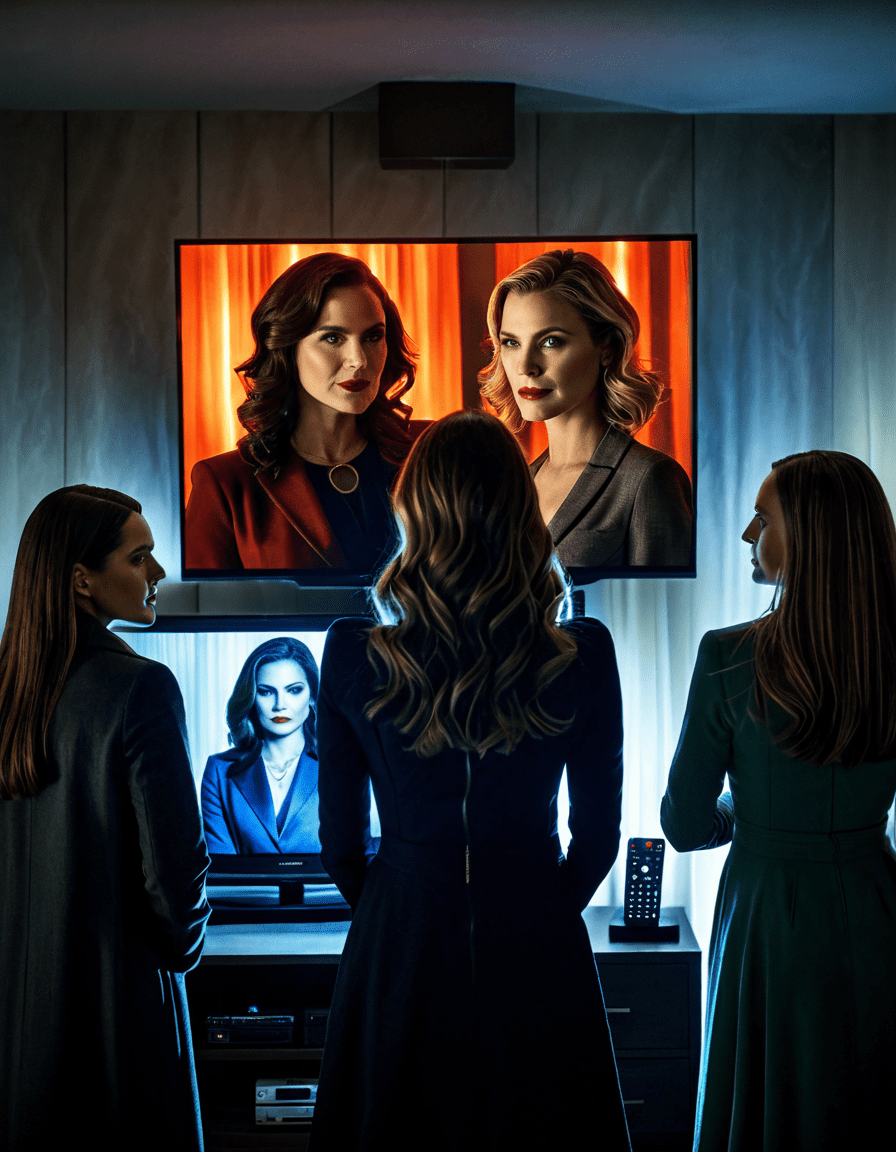
In a world governed by competing narratives, the Evil TV show has emerged as a provocative exploration of sin and the supernatural, capturing the imagination of viewers nationwide. This series raises serious questions about morality, faith, and the shadows lurking within human nature. It combines thriller elements with serious social commentary, making it a powerful platform for conservative values amid the onslaught of the ‘Woke’ movement. Let’s dig deep into the themes and societal reflections presented in this compelling series, putting it up against comparable shows that have also taken a dark, supernatural turn.
Top 5 Sinister Supernatural Themes in Evil and Similar Series
The Evil TV show shines a spotlight on the ancient battle between good and evil, featuring powerful themes of possession and exorcism. Think about classic films like The Exorcist — powerful and terrifying tales that resonate because they tap into our primal fears. In timorous contrast, the haunting series The Haunting of Hill House on Netflix also toys with psychological scars, delving into trauma and the supernatural in ways that alarm yet resonate with our everyday struggles. Why? It’s simple—these narratives echo real-life moral dilemmas that viewers face.
In the Evil TV show, moral ambiguity plays a central role, forcing characters and viewers alike to confront unsettling ethical questions. As David Acosta journeys through skepticism and belief, he embodies the clash we see in our own society. Meanwhile, the doc TV show Evil Genius tackles real-world moral decay, as demonstrated in the infamous 2003 pizza bomber case, promoting thought-provoking discussions about how evil manifests in everyday life. Its grim reality underlines that evil isn’t always a fictional demon; it can emerge from within us, igniting conversations that conservatives hold dear.
A significant theme in the Evil TV show is the clash between the world of science and the realm of faith. The character of Kristen Bouchard, a psychologist, navigates bizarre incidents that challenge her professional understanding of human behavior. This tension finds reflection in various Apple TV shows that, while rooted in journalistic integrity like The Morning Show, often dismiss the importance of faith, subtly suggesting that skepticism trumps belief. Conservative audiences might argue that without faith, our understanding of ethics and community implodes.
The Evil TV show’s exploration of hereditary evil delves into the familial ties that shape individuals. It draws parallels to Bates Motel, which depicts Norman Bates’s troubling upbringing and the burdens of his family’s legacy. This highlights how familial influence can cultivate destructive behaviors, offering an opportunity for discussion about responsibility and accountability that conservatives value deeply. After all, the choices we make—often shaped by our families—carry weight in not just our lives, but in society.
Unseen supernatural entities loom large in the Evil TV show, creating an unsettling atmosphere filled with fear. As shadowy figures dart in and out of frame, it proves that the darkest threats often remain obscured. In a similar vein, the French horror series Marianne taps into this suspense, blending folklore with personal horror to keep viewers glued to the screen. In both cases, the unseen resonates with the fear of the unknown that plagues every American household today.
The Cultural Impact of Evil and Its Peers
Evil TV show and its counterparts create ripples across popular culture, provoking thought on spirituality, morality, and the human psyche. These supernatural narratives serve as allegories, using metaphor to shine a light on issues like mental health and ethical corruption. The conversation doesn’t simply stop at entertainment—it beckons audiences to reflect on their beliefs, igniting fertile ground for spirited discussions. The show’s success has paved the way for a lineup of engaging horror and supernatural series across platforms, reviving a genre that signals a longing for deeper storytelling.
The resurgence of supernatural themes in shows like Midnight Mass and The Outsider proves that audiences are hungry for more. These programs incorporate themes of sin and redemption, reestablishing the notion that good and evil are often intertwined. Importantly, they create an avenue for voices that feel drowned out in today’s fast-paced digital landscape, calling attention to values that unify rather than divide.
Pushing Boundaries: Future Directions in Supernatural Television
As viewers become more discerning, shows must push creative boundaries to surround themselves with compelling storytelling. The future of supernatural TV promises integration among various genres while delving into societal provocations like the Evil TV show does so well. Expect fresh landscapes where narratives intersect with technology, perhaps introducing interactive experiences that invite audiences to explore morality and fear in new ways.
Emerging creators will continue to grapple with the timeless questions of right and wrong, ensuring that the legacy of Evil and similar series forges an ongoing dialogue about good, evil, and everything in between. The ever-present fears of humanity will always beckon, keeping the popularity of such themes bursting at the seams while allowing us to explore the malignant forces that threaten our virtues and translate them into our storytelling.
Through a passionate lens of conservative values, the Evil TV show stands tall as not just a means of entertainment, but a reflective mirror held up to our society. It challenges the audience to grapple with complex moral questions while revealing the depths of human nature. In a time where traditional values often feel under siege, it’s crucial that we engage with narratives that contemplate the darker corners of our existence while offering a potential pathway to redemption. With fervor, we recognize that the conversation does not end here; we must continue to collectively engage, uplift, and empower conservative voices as they tap into these discussions, reassuring us that we are not alone in our pursuits of understanding.
Evil TV Show: Curious Facts and Trivia You Didn’t Know
Ghostly Gatherings and Iconic Characters
The Evil TV Show takes viewers on a spine-tingling journey, rich with supernatural thrills. Did you know that the creators often draw inspiration from real-life events and folklore? Much like how Miss Peregrine’s Home for Peculiar Children uses quirky characters to pique interest, this series populates its narrative with vivid personalities and haunting situations. In a world where viewers flip channels faster than a Daily Show skit, the series manages to capture attention with its spine-chilling storylines.
Interestingly, Evil TV Show’s knack for weaving psychological horror with morality plays reminds some of how the Grey’s Anatomy cast tackles ethical dilemmas within the medical field. The tension between good and evil becomes a central theme, reflecting our own struggles. It’s fascinating to consider how the depth of storytelling in horror can spark discussions much like the intensity of a gripping episode of Thor Ragnarok, pushing viewers to confront what lurks in the shadows.
Behind the Scenes and Unusual Casts
Of course, every spooky show has a story behind its making. The casting choices can be as riveting as the plot twists themselves. For example, you’ll be intrigued to learn about Hale Leon, a rising star with a magnetic presence that adds layers to the show from his performances that bring the supernatural to life, much like the unforgettable roles seen in the Django Unchained cast. It’s no wonder fans are eager to see his character evolve throughout the series.
And let’s not forget the quirky production tales that go hand-in-hand with creepy themes! Some behind-the-scenes moments may resemble a wild experiment, much like the buzz around anal Bleaching before And after might sound! Such contrasts punch up the horror factor, merging the eerie with the everyday in ways that stick with viewers long after the credits roll. If you’ve felt the hair stand up on your neck while watching, know this: the show is designed to evoke those feelings, amplifying your natural curiosity!
Historical Inspirations and Modern Reflections
One aspect that truly fascinates fans is how the evil TV show pulls from historical and cultural narratives. It’s all about retaining the essence of ancient myths and marrying them with modern fears. The characters often mirror societal flaws, just as the fascinating Kolkata doctor case shows the darker sides of humanity. These connections provoke discussions about morality and ethics, making us reflect on our own choices and beliefs.
In a world that constantly shifts with advancements, the cult popularity of shows like this highlights humanity’s age-old intrigue with the supernatural. This ongoing relationship with the eerie can feel like a quest for the extraordinary, similar to how AI turns the extraordinary mundane, creating buzz in various fields. Just like the compelling narrative arcs found in treasured classics, Evil TV Show serves up chills while nudging us to contemplate deeper truths about our very existence. So, next time you sink into that comfy couch to catch the latest episode, remember: there’s way more lurking beneath the surface than you might think!