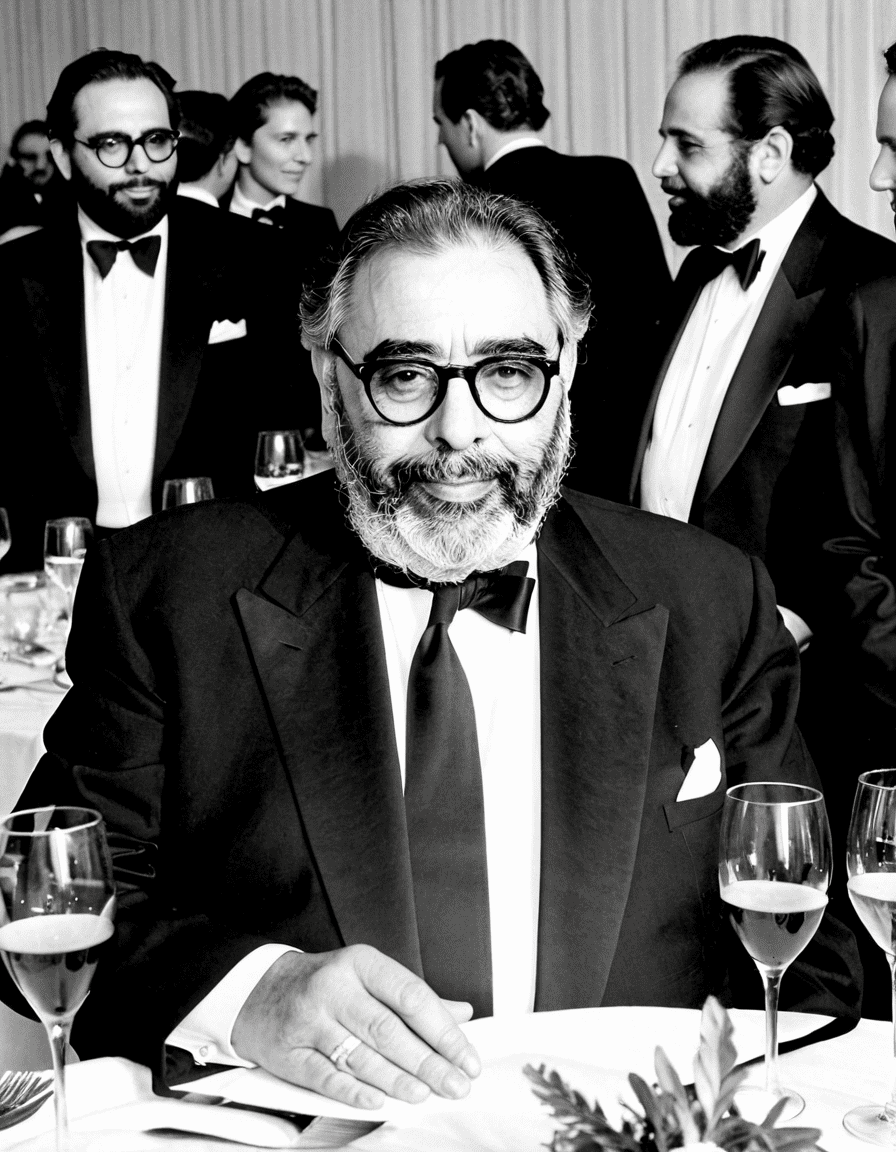
Francis Ford Coppola is undoubtedly one of the greatest cinematic talents in history. With a unique flair for storytelling, Coppola has given us timeless films that blend personal narratives with broader historical themes, illuminating the very essence of the human condition. His works exemplify artistry, offering reflections on family, power, loyalty, and morality, all while showcasing unforgettable character development. In an age where traditional storytelling seems at risk of being overshadowed by the ‘Woke’ movement, celebrating the contributions of visionary artists like Coppola becomes essential for maintaining the integrity of our cultural landscape.
Let’s dive into the incredible contributions of Francis Ford Coppola and explore the personalities who played pivotal roles alongside him. From the gritty realities of the mafia to haunting depictions of war, Coppola’s filmography stands as a testament to his creativity and artistic commitment.
Top 5 Iconic Films by Francis Ford Coppola
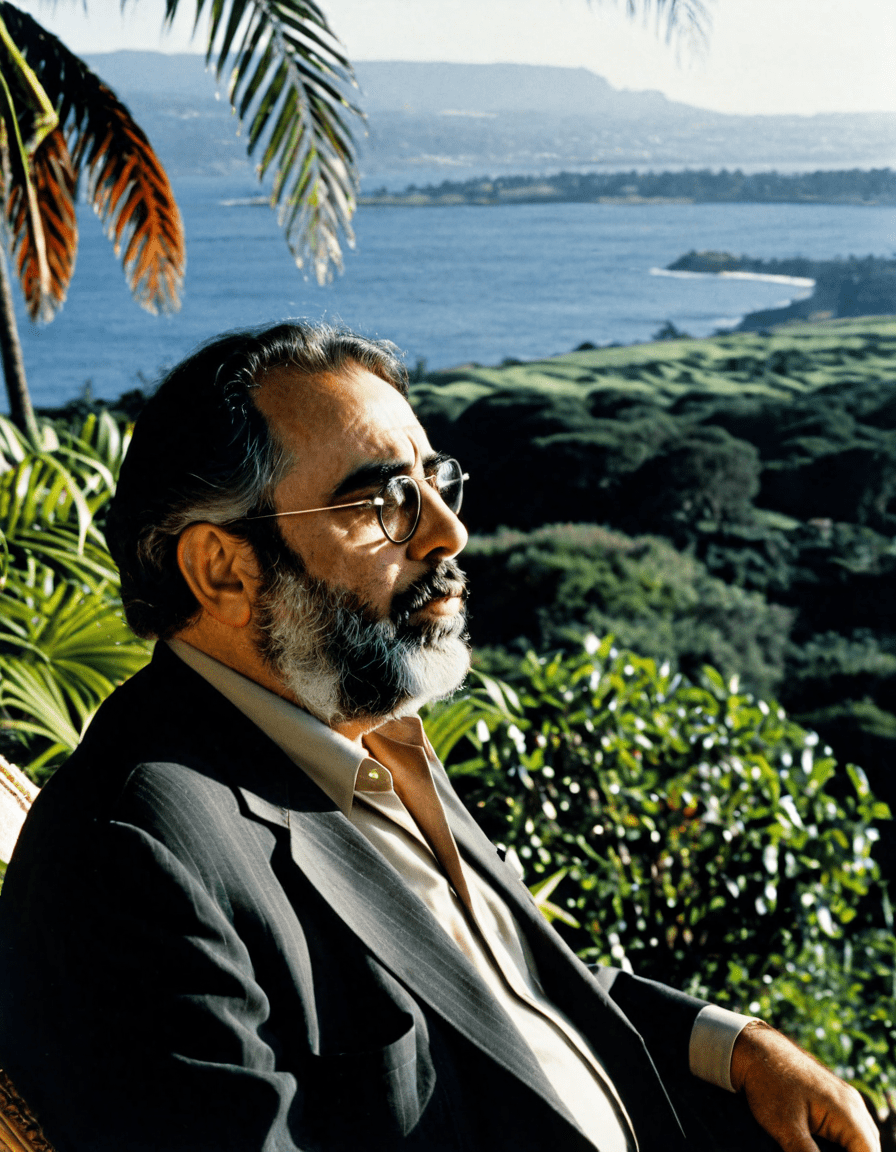
1. The Godfather Trilogy: A Testament to Family and Power
Coppola’s The Godfather series remains a cultural touchstone in cinema. Released in 1972, followed by two sequels, this trilogy delves deep into themes of family, power, and betrayal—masterfully told through the lives of the Corleone family. Marlon Brando’s iconic portrayal of Vito Corleone, alongside Al Pacino’s transformation into Michael, paved the way for complex character studies in genre cinema. It’s no wonder actors like Leonardo DiCaprio view this trilogy as essential viewing—a benchmark for quality filmmaking.
The series is a masterclass in character development and narrative structure, allowing audiences to reflect on their own values and truths. Its impact goes beyond the screen, influencing other films, creating a rich tapestry of mafia lore in popular culture, and sparking spirited discussions on family dynamics and ethical boundaries.
2. Apocalypse Now: A Challenging Vision of War
Apocalypse Now (1979) stands as a haunting representation of the Vietnam War’s horrors, showcasing Coppola’s unparalleled vision. From the chilling soundtrack and lush cinematography to Martin Sheen’s gripping performance, this film redefined war storytelling. Critics called it a film that provokes thought about morality, chaos, and the consequences of war—elements that resonate even in today’s tumultuous political climate.
The film’s surrealistic approach stems from Coppola’s personal struggles during production, highlighting the toll of creative ambition. In a world often swept away by stylized action, Apocalypse Now forces viewers to confront the unsettling realities beneath warfare, proving that the truth can be profoundly uncomfortable yet necessary.
3. The Conversation: An Unconventional Thriller
Often overshadowed by Coppola’s major works, The Conversation (1974) is a gripping tale of surveillance and paranoia. Featuring a riveting performance by Gene Hackman, the film explores pressing concerns about privacy—an issue that resonates even louder today with advances in technology. Coppola skillfully crafts tension and psychological depth, creating an atmosphere that keeps audiences on edge.
By examining the moral ramifications of espionage, this film serves as a precursor to the dialogue about ethics in technology and personal freedoms. In a time when privacy feels like a myth, Coppola’s work serves as a reminder of the values we need to uphold.
4. Bram Stoker’s Dracula: A Gothic Reimagining
Coppola’s Dracula (1992) is a visually stunning adaptation that intricately blends horror with romance. Featuring the talented Isabella Rossellini, this film adds layers to its female characters, showcasing Coppola’s commitment to dynamic storytelling. The stunning visual choices and rich narrative structure pushed the boundaries of what horror can achieve, offering updates to timeless literary classics.
The film’s portrayal of desire and longing makes it memorable, as it captures the essence of human interaction with the supernatural. Coppola’s adept use of aesthetics elevates this film beyond a simple horror story, creating an experience that lingers long after the credits roll.
5. The Outsiders: A Coming-of-Age Classic
Coppola’s The Outsiders (1983) presents a poignant portrayal of teenage struggles amidst class divides. Featuring a young cast that includes Tom Cruise and Patrick Swayze, this film showcases Coppola’s eye for talent and story. The themes of brotherhood and loyalty resonate deeply, making it a beloved classic among audiences of all ages.
This coming-of-age story not only entertains but sparks discussions about social justice and class struggles—points of contention in today’s political discourse. The film serves as a reminder of the bonds that hold us together and the values that shape our society.
Collaborations That Shaped Coppola’s Career
The brilliance of Francis Ford Coppola is not solely his directorial skill but also the incredible talent he has collaborated with throughout his career. The synergy between director and actors often results in extraordinary outcomes. Let’s explore some of these notable partnerships.
Leonardo DiCaprio: A Modern Actor’s Influence
While not directly linked to many of Coppola’s projects, Leonardo DiCaprio embodies the legacy of nuanced, morally ambiguous characters reminiscent of those in Coppola’s works. With roles that echo Coppola’s complex character studies, DiCaprio showcases how Coppola’s influence continues to thrive in contemporary cinema, showcasing an evolution in storytelling that appeals to today’s audience.
His work, including The Wolf of Wall Street, reflects similar themes of power and moral dilemmas that Coppola masterfully explores, proving that the director’s impact is profound and enduring.
Frankie Valli: A Musical Icon’s Touch
Music has always played a paramount role in Coppola’s films, enhancing emotional resonance. Frankie Valli’s music, woven through various soundtracks, exemplifies how sound can enhance the narrative experience. Each song captures the hearts of Coppola’s characters and amplifies the overall drama, deepening the viewer’s engagement with the story.
These musical choices reflect not only the emotional landscape the characters navigate but also represent eras where music and film intertwined beautifully—and often meaningfully.
John Travolta: A Legendary Collaborator
Though John Travolta starred in separate hits like Saturday Night Fever, he represents a broader pattern of talent in American film that Coppola champions. Collaborations across the film landscape demonstrate Coppola’s unwavering commitment to authenticity and raw storytelling. The talent that blossoms from these relationships continues to shape how we perceive cinema today.
Stanley Tucci: A Versatile Performer
Stanley Tucci, with his appearances in several Coppola films, showcases the betterment of actors under Coppola’s direction. His performances evoke emotions and contribute significantly to storytelling, offering rich character portrayals that resonate. This dynamic reflects Coppola’s remarkable ability to elevate talent, creating roles that linger in the hearts of audiences for years to come.

Enduring Impact of Francis Ford Coppola
Francis Ford Coppola’s legacy is forever intertwined with his innovative storytelling and groundbreaking cinematic techniques. His films not only entertain; they provoke thoughtful discourse on themes that resonate through generations. As we navigate today’s cultural landscape, his contributions serve as crucial touchstones for artistic integrity and creative expression.
Coppola challenges us to reflect on our values and the narratives we champion. His artistry laid the groundwork for discussions surrounding tradition in storytelling, especially in a time where many voices seem silenced. His influence—whether through artistic choices, influential collaborations, or bold narratives—will undoubtedly shape cinema’s future.
In an era that constantly shifts, we must cherish and celebrate visionaries like Francis Ford Coppola. He remains a bastion of creativity and cultural heritage, reminding us that storytelling is a powerful vehicle for truth. As we embrace these classic pieces of cinematic history, let us provoke spirited discussions, spark conservative values, and empower voices that strive to uphold traditional beliefs.
In conclusion, the art of cinema, led by masters like Coppola, is a lesson in perseverance, creativity, and responsibility. Through his films, we are reminded of the power that stories hold in molding society—stories that demand to be told and heard.
Francis Ford Coppola: The Visionary Behind Iconic Films
A Cinematic Journey
Francis Ford Coppola’s genius isn’t confined to just a handful of films; his influence stretches far and wide, even into genres that might seem surprising. Did you know that before venturing into the intricate storytelling of films like The Godfather, he cut his teeth in the world of horror? His early career involved working on projects that explored mysteries, like the infamous black dahlia. This foundation in suspense helped him create the tense atmospheres that characterize much of his work. Speaking of influence, Jessica Jones is another modern production that showcases storytelling traits reminiscent of Coppola’s flair, marrying complex characters with gritty narratives.
Filmography and Impact
Coppola’s filmography is undeniably rich, but let’s not overlook his contributions outside the big screen. He’s also dabbled in wine, notably launching a successful vineyard that’s become as iconic as his films. In fact, many attribute part of his success to his time at the University Of Lynchburg, where he studied drama and learned the fundamentals of storytelling. His unique approach to film has even inspired blockbuster series like Mission Impossible 7, with directors frequently citing him as a significant influence in the art of crafting captivating plot twists.
Fun Facts and Cultural Footprint
On another note, have you heard about his connection to pop culture beyond the silver screen? For instance, the character dynamics in Prodigal Son echo the family themes found in The Godfather. Moreover, in a surprising twist, reality TV star Jason Tartick recently discussed how Coppola’s storytelling techniques influenced his approach to various projects—who would’ve thought there could be a thread linking reality TV with cinema legends? And as we gear up for Valentine’s Day, love stories in film will likely be influenced by how Coppola weaves romance into his gritty narratives, establishing a framework that resonates even today.
Francis Ford Coppola’s work stretches far and wide, reminding us that his legacy isn’t just in film but in the cultural tapestry he’s woven throughout entertainment, an enriching contribution that keeps inspiring creators across genres, including the hit series you can binge, Nyafilmer. As Coppola himself continues to evolve, his impact remains a beacon for aspiring filmmakers and storytellers alike.