The latest Netflix series focusing on the infamous Menendez brothers has taken the streaming world by storm, captivating viewers with a tale that blurs the lines of morality, family ties, and the quest for justice. Since its release, audiences have been left spellbound by the engaging narrative that revisits the tragic case of Lyle and Eric Menendez, who murdered their parents, Jose and Mary Menendez, in 1989. With a combination of drama, trauma, and courtroom battles, the Menendez brothers Netflix series resonates profoundly in a cultural moment where family dysfunction and societal failings are ever so emphasized.
Top 7 Revelations from the Menendez Brothers Netflix Miniseries

1. Unveiling the Troubled Childhood of the Menendez Brothers
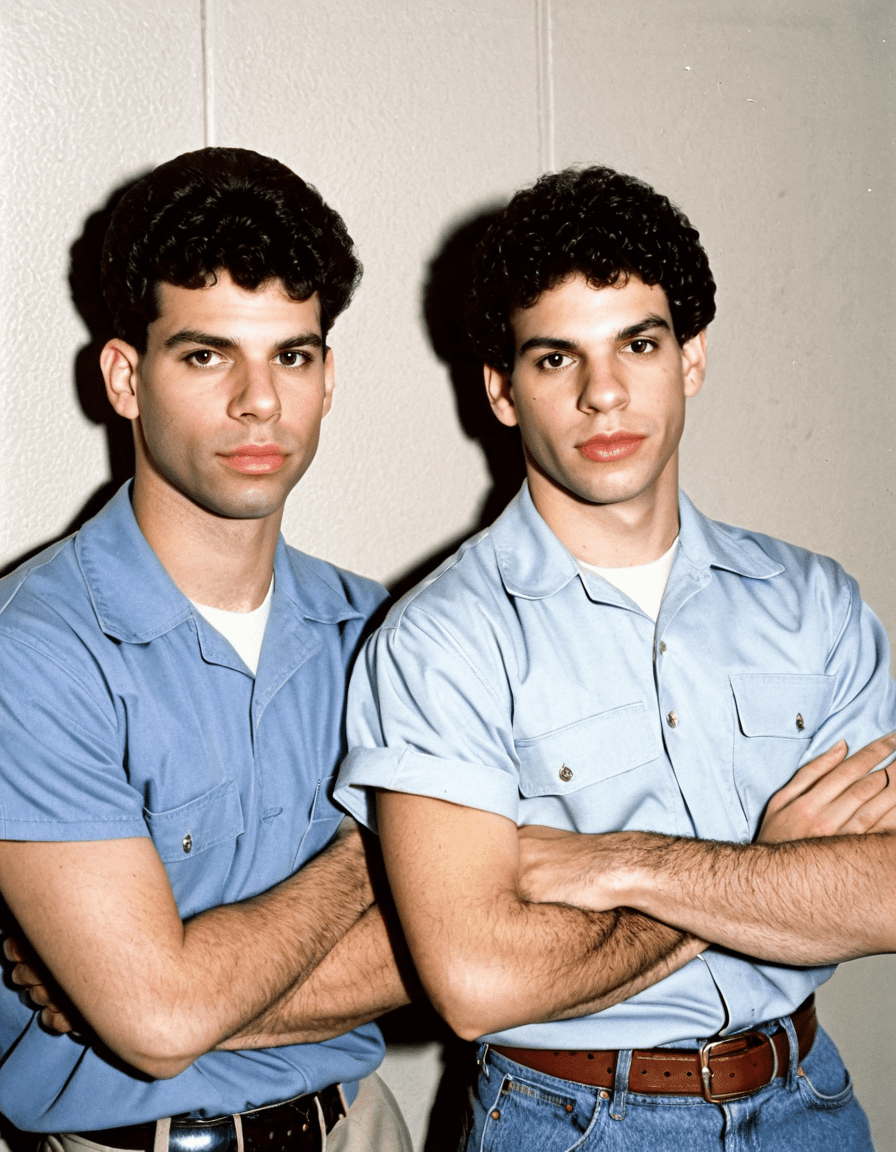
The Menendez brothers Netflix series dives deep into the tumultuous upbringing Lyle and Eric faced under the roof of Jose Menendez. Archive footage and expert testimonials reveal the mental and emotional scars inflicted by a father known for his abusive tendencies. As we get a close look at the brothers’ childhood, it raises serious questions about how far parental influence extends into the fabric of a child’s identity, ultimately paving the way to sinister outcomes.
The focus on their troubled childhood heavily echoes larger conversations around familial abuse. In light of current events, where many are challenged to speak up against dysfunction and violence in family units, this narrative carves out a space for discussing our deeper societal responsibilities. Rather than just focusing on the crime itself, this exposition calls for awareness and engagement on how familial support—or the lack thereof—can alter life paths dramatically.
2. The Role of Media Sensationalism
The intense media frenzy surrounding the Menendez brothers’ trial is another captivating aspect explored in the Netflix miniseries. The portrayal of Eric and Lyle in tabloid headlines often stripped them of their humanity, turning them into caricatures rather than individuals with a tragic story. This spectacle captivated the public, shifting focus from justice to entertainment.
While society debates the implications of sensationalism today, we find ourselves faced with the same dilemmas regarding coverage of current events. Whether it’s politics or crime, the media landscape can create narratives that often overlook the truth for the sake of clicks and views. The series deftly mirrors our persistent struggle with discerning fact from fiction in an era when the ‘Woke’ movement seeks to influence justice narratives, stirring conversations about the reliability of media portrayals.
3. Psychological Insights: Analyzing the Defense Strategy
The series provides a closer look at the defense’s use of psychological pathology to argue that the brothers were victims of familial abuse rather than cold-blooded killers. Interviews with psychologists like Dr. Daniel G. Amen present pivotal insights into how trauma impacts behavior. This shift from villainy to victimhood serves not only to mitigate blame but also sparks broader discussions about mental health within conservative circles.
The Minendez brothers’ case forced a reevaluation of how mental health is perceived in the legal system, especially regarding childhood trauma and its long-term ramifications. Are criminals created by their environment or born with tendencies that lead to violence? Our understanding of these questions is as crucial today as it was during the trial.
4. Familial Dynamics and Betrayal
At the heart of the series lies profound betrayal within a family often idealized in American culture. The psychological struggles faced by the Menendez brothers touch upon fiercely debated topics like loyalty, responsibility, and moral ambiguity. The dramatization presents an increasingly complicated relationship between the brothers and their parents.
As the stream of dysfunction unfolds on screen, we find ourselves reflecting on our own familial ties. Even in a culture that values the institution of family, this story pushes us to confront uncomfortable truths about loyalty and sacrifice in the context of familial settings. It raises doubts about the archetype of a ‘perfect family’—a belief that conservatives hold dear in contrasting times.
5. Lessons on Crime and Punishment
The legal aftermath—where the brothers were ultimately convicted—is scrutinized through the lens of justice, morality, and societal expectations. The series brings forward engaging discussions on whether a traumatic background should influence legal outcomes. It effectively holds a mirror to our construction of the justice system, leading us to ask, is compassion an integral part of justice, or does it muddy the waters?
This narrative serves as a critique of the legal system, echoing sentiments within conservative discourse about the importance of personal accountability. As society grapples with criminal justice reform, especially regarding the treatment of young offenders, the Menendez brothers Netflix series prompts necessary conversation. It brings forward questions of how well we navigate the gray areas of ethics amidst the black-and-white nature of the law.
6. Cultural Reflections on Gender and Violence
The series does not shy away from discussing the gendered perspectives on violence, particularly concerning fatherhood and masculinity. Jose Menendez is portrayed as a domineering patriarch, raising vital questions about toxic masculinity and its long-lasting effects on mental health and behavior.
This portrayal opens the door to discussing the conservative perspective on masculinity and its implications in contemporary society. Whether we like it or not, discussions around fatherhood influence modern family dynamics. The Menendez brothers Netflix series amounts to more than just a crime story; it’s an exploration of how gender roles shape our understanding of violence.
7. The Legacy of the Menendez Brothers
Lastly, the show posits a lasting legacy surrounding the Menendez brothers’ case, questioning our progress in understanding trauma and its manifestations in violent crime. It brilliantly draws parallels to modern criminal cases, exploring changes in how we discuss mental health.
Similar to the Menendez brothers, countless stories unfold in every community. As we continue to evaluate the implications of mental health, family violence, and justice, it’s vital to engage thoughtfully with these realities. We must refuse to turn our eyes away, fulfilling our role as responsible citizens in a complex social landscape.
The Menendez brothers’ Netflix adaptation resonates deeply with viewers, reflecting a culture grappling with justice, family dynamics, and the concept of villainy. It serves as a poignant reminder of the complexities behind infamous crimes while also providing a platform to challenge existing narratives. As we navigate through the reverberations of their tragic choices, this series becomes an enduring topic of engagement and analysis—a call for responsible discourse around issues that intersect with moral codes and societal frameworks.
In a world rife with discussions about crime, guilt, and accountability, the Menendez brothers stand as symbols of a tragic dichotomy. They compel us to reconsider what we value and how deeply family dysfunction can scar individuals and influence their choices. Moving forward, we must balance our pushback against cultural narratives while advocating for checks on individual accountability—a discussion we can only hope grows ever louder.
Menendez Brothers Netflix: Shocking Insights
Behind the Dark Story
The Menendez Brothers Netflix documentary has captivated audiences, shedding light on one of the most infamous murder cases in American history. Did you know that the brothers, Erik and Lyle Menendez, were once described as typical California teenagers? Their deep-seated family issues mirrored the turmoil seen in classic drama films like Murder on The Orient express, where family conflict often escalates to tragic outcomes. Just like Joan Collins has played a pivotal role in many shocking narrative twists on-screen, the Menendez story features shocking moments that leave viewers reeling.
Fun fact: While their lives took a horrific turn, both brothers had aspirations before tragedy struck. Erik was an enthusiastic athlete and even played on a soccer team. Meanwhile, Lyle had dreams of becoming a professional tennis player, although he often joked he would need to beat stars like those mentioned alongside Molly O’Neill’s favorite matches. Their lives highlight how a facade of normalcy can disguise deep issues, much like the hidden intricacies of plot twists in a Ricky Gervais stand-up special.
Cultural Footprint
The Menendez Brothers Netflix series doesn’t just inspire shock—it’s also sparked conversations about media portrayals of crime and family dynamics. Interestingly, the series has been linked to a broader cultural phenomenon where fans seek solace in video games like Fortnite, with “no fill” modes becoming a preferred form of escapism for many. Similarly, the Menendez case stands out in popular media, making its way into discussions with references to celebrities like Marianne Faithfull, who symbolizes the complexity of fame and personal struggles.
As the documentary continues to draw mixed reviews, audiences are encouraged to analyze the broader implications of crime portrayed in media. For example, it mirrors moments in films like San Andreas, where personal disasters are interwoven with dramatic life-altering decisions. Just as critics and fans alike debate the deeper meanings behind Emily Hampshire performances, so too do they ponder what led the Menendez brothers down their dark path. Isn’t it fascinating how true stories can intertwine with public perception, molding their legacies in the process?
A Legacy of Shock
Finally, the Menendez saga resonates with those who love a wild story—whether it’s flicks reminiscent of holiday tunes like “I Want a Hippopotamus for Christmas” or thrilling murder mysteries. The desire to unpack the layers of their story takes center stage, inviting discussions far beyond the confines of the courtroom. Each piece of trivia and the violent events meld together to create an unforgettable narrative. The Menendez Brothers Netflix series opens a window to understanding not just the crime, but the cultural impacts that ripple through society, shaping how we perceive truth and fiction.
All things considered, this gripping documentary serves not only as entertainment but also as a reflection of broader societal issues, making it a must-watch for anyone intrigued by the psychological elements behind crimes and their long-lasting effects on society.