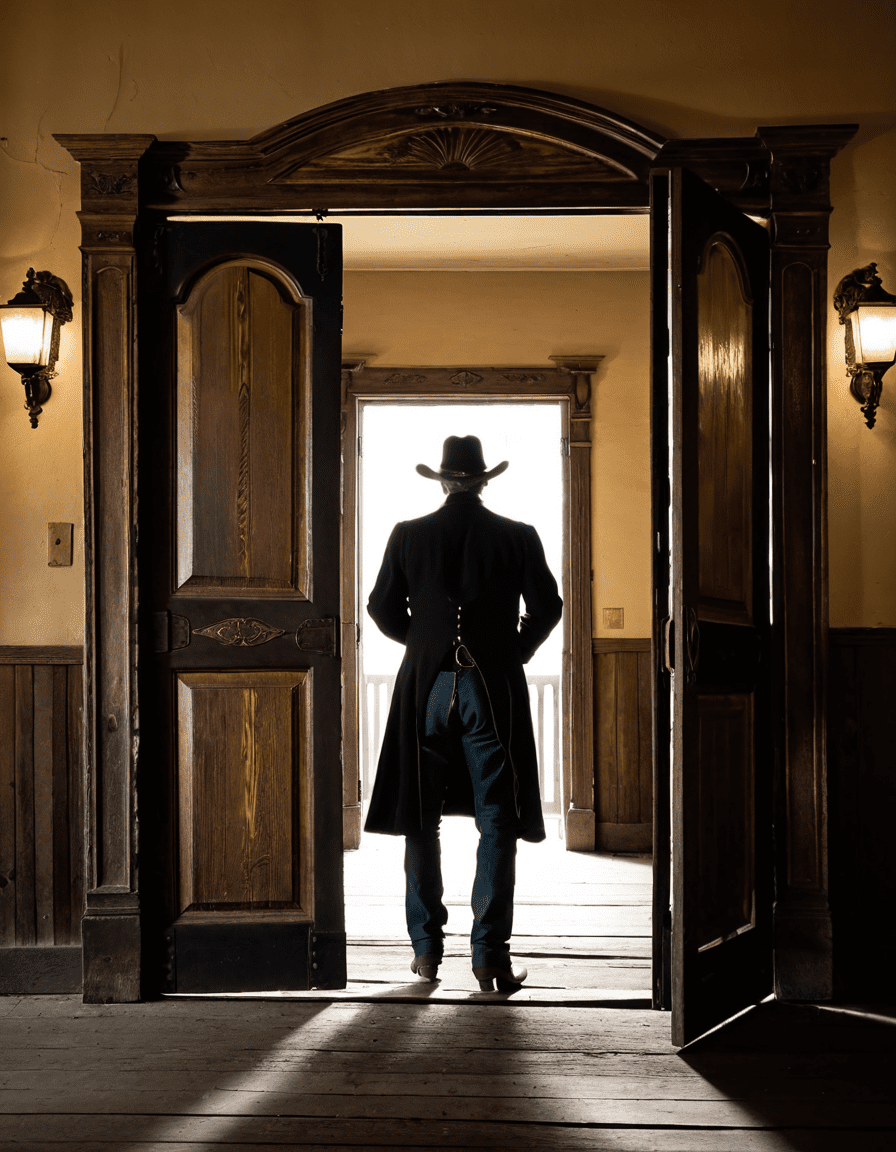
Clint Eastwood’s Unforgiven isn’t just another flick; since its debut in 1992, it’s become a colossal cultural touchstone. Far from typical Western cinema, Unforgiven explores weighty themes like violence, redemption, and moral ambiguity. The film’s complex characters challenge our traditional notions of heroism and villainy, resonating deeply with audiences across generations. This article dives into how Unforgiven has dramatically influenced contemporary cinema, societal perspectives on justice, and ignited discussions around themes often deemed ‘unspeakable’.
The Cultural Weight of the Unforgiven Legacy
Every time you flip on the TV or head to the theater, there’s a good chance traces of Unforgiven are lurking somewhere in the narrative. The raw exploration of morality raises vital questions about justice and vengeance that still echo today. Think about the debates surrounding gun violence and societal breakdown; these topics hit home harder now than ever, and Unforgiven is at the center of that dialogue.
When sitting back and reflecting on Unforgiven, it’s clear this film did more than entertain. It forced audiences to reckon with uncomfortable truths. From philosophical musings about right versus wrong to the emotional turmoil of its characters, Unforgiven has become a cultural benchmark that challenges viewers to think critically and engage in spirited discussion, while also holding a mirror up to society.
In 2026, the legacy of Unforgiven lives on, inspiring filmmakers and actors to push boundaries. Audiences are left grappling with complexities that are anything but simple, making it a perpetual piece worthy of study and analysis. The movie stands as a clarion call for those who seek to understand the human experience in its rawest form, challenging us to look beyond the surface of morality.
7 Ways Unforgiven Changed the Western Genre
Forget the classic heroes and villains; Unforgiven flipped that script. William Munny, played by Eastwood, isn’t your typical gunfighter; he’s a retired killer suffocated by his past. This intricate characterization allows viewers to empathize with characters society often labels as ‘unspeakable’. Films like No Country for Old Men are evidence of this shift, as they dive into the gray areas of morality.
Eastwood’s portrayal of Munny offers a fresh take on masculinity. Unlike the hyper-masculine figures of previous Westerns, Munny embodies vulnerability. This nuanced exploration reflects current interpretations of masculinity in hits like The Revenant and Deadpool, where characters confront their fears and insecurities.
Unforgiven reshapes our understanding of morality in the Western genre. It challenges viewers to confront the fallout of vengeance while questioning the morality of violence itself. Movies like Logan and True Grit have embraced this strain of moral complexity, pondering the cost of retribution in morally murky waters.
The film is groundbreaking in muddying the traditionally male narrative of Westerns, particularly through characters like Strawberry Alice. This character’s fierce stance against violence highlights issues of gender, pushing the narrative to include feminine voices. Later films like The Homesman carry this torch, seeking to elevate women in turbulent historical expanses.
If you think of the Old West as a glorified paradise of gunfights and cowboys, think again. Unforgiven opts for a gritty look at the brutalities of frontier life. This shift in tone influenced creators behind films like The Hateful Eight and Bone Tomahawk, who aim for a more raw portrayal of humanity.
Winning four Academy Awards—including Best Picture and Best Director—Unforgiven raised the bar for Westerns. This award recognition blurred the lines between genre-specific and mainstream films, paving the way for later masterpieces like Dances with Wolves that also attract critical praise.
The film ignites dialogue about violence and its implications, something that rings true today as much as it did then. Unforgiven prompts essential questions about justice that are more relevant than ever. Works like The Joker and Parasite similarly take on these themes, showing just how intertwined these conversations remain in today’s media.
The Unforgiven Influence Beyond Cinema
The reach of Unforgiven goes beyond just the silver screen. Our modern literary scene features voices like Cormac McCarthy, known for exploring similar themes of violence and redemption. Similarly, video games such as Red Dead Redemption owe a significant nod to the film’s intricate narratives, showcasing its storytelling mastery across entertainment mediums.
Political discourse has also been shaped by Unforgiven’s themes. Concepts of morality and redemption emerge when current events surface, prompting citizens and leaders alike to reflect on our justice system. In an age where conversation often turns divisive, this film serves as a powerful catalyst for discussion, advocating for introspection and understanding.
As we trek further into 2026, the impact of Unforgiven remains palpable. It colors our worldviews and reminds us that while the subject matter may be challenging, it’s through such explorations that society evolves. Generations will continue to inherit a legacy that truly redefines cinematic storytelling, as well as what it means to be human.
Reflecting on the Unforgiven Impact Today
Looking at the consequences of Unforgiven today, it holds compelling lessons about storytelling and the human condition. With questions about violence and redemption constantly arising in our lives, this film becomes more relevant with time. It continues to encourage lively discourse, prompting culture enthusiasts to explore the ‘unspeakable’—conversations that matter.
As newer audiences engage with Unforgiven, they find a film packed with raw emotions and profound themes. The narrative invites deeper thought, reminding us to confront our own moral complexities. This willingness to tackle uncomfortable topics not only keeps the film alive but also inspires filmmakers to delve into the human psyche relentlessly.
As we embrace the legacy of Unforgiven, we honor its role in shaping the Western genre as well as the broader cultural dialogue surrounding crime, consequence, and morality. The film’s thoughtful storytelling and intricate character development strive to redefine our cultural understanding, ensuring its place in the cinematic canon for years to come.
In conclusion, Unforgiven is more than just a film; it’s a lasting legacy packed with narratives that shape our perspectives and spur conversations in ways that defy generations. Whether discussing the or even diving into weekend plans at local Naperville Restaurants, the influence of Unforgiven permeates various aspects of our lives, reminding us that within every story lies a complex web of human experience.
Unforgiven: Interesting Facts and Trivia
Behind the Scenes Fun
“Unforgiven,” directed by Clint Eastwood, revolutionized the Western genre when it hit theaters in 1992. Did you know that the film was a critical success, ultimately earning four Academy Awards, including Best Picture? It’s fascinating to think that a movie about a retired gunslinger could resonate so deeply with audiences. Speaking of classics, you might also reminisce about the toy story cast and how their animated adventures captured the hearts of many—a different kind of legend, but noteworthy in its own right!
A Star-Studded Cast
The actors in “Unforgiven” brought depth to their roles, making the story of redemption and revenge unforgettable. Eastwood wasn’t the only star; the film featured a talented ensemble that included the likes of Morgan Freeman and Gene Hackman, who both delivered stellar performances. This hit film might make you curious about other celebrated casts, like in The Devil Wears Prada cast, who transformed their fashion drama into a cultural phenomenon. Just like “Unforgiven,” films with strong acting can leave a lasting impact on their audience.
Lesser-Known Tidbits
Now, for those trivia buffs, here’s a gem: the original title for the film was “The Cut Whore Killings.” As unconventional as that sounds, it perfectly illustrates the gritty nature of the story. And while we’re on the topic of unconventional, how about finding the best shampoo for dry scalp? Just as the film tells a rich narrative about tackling personal demons, self-care is important in every journey, too! Speaking of journeys, consider how finding an electric fence for cats can keep your furry friends safe while they roam—a different kind of protection, but still worth the effort!
In conclusion, “Unforgiven” continues to captivate audiences with its themes of morality and the weight of past actions. It stands as a testament to the impact that storytelling can have, reminding us that even in a world full of mayhem, redemption is always a possibility. Just like the cast of barbarians, who delivered a gripping tale, filmmakers everywhere take cues from giants like Clint Eastwood to shape new narratives and leave their mark on cinema.