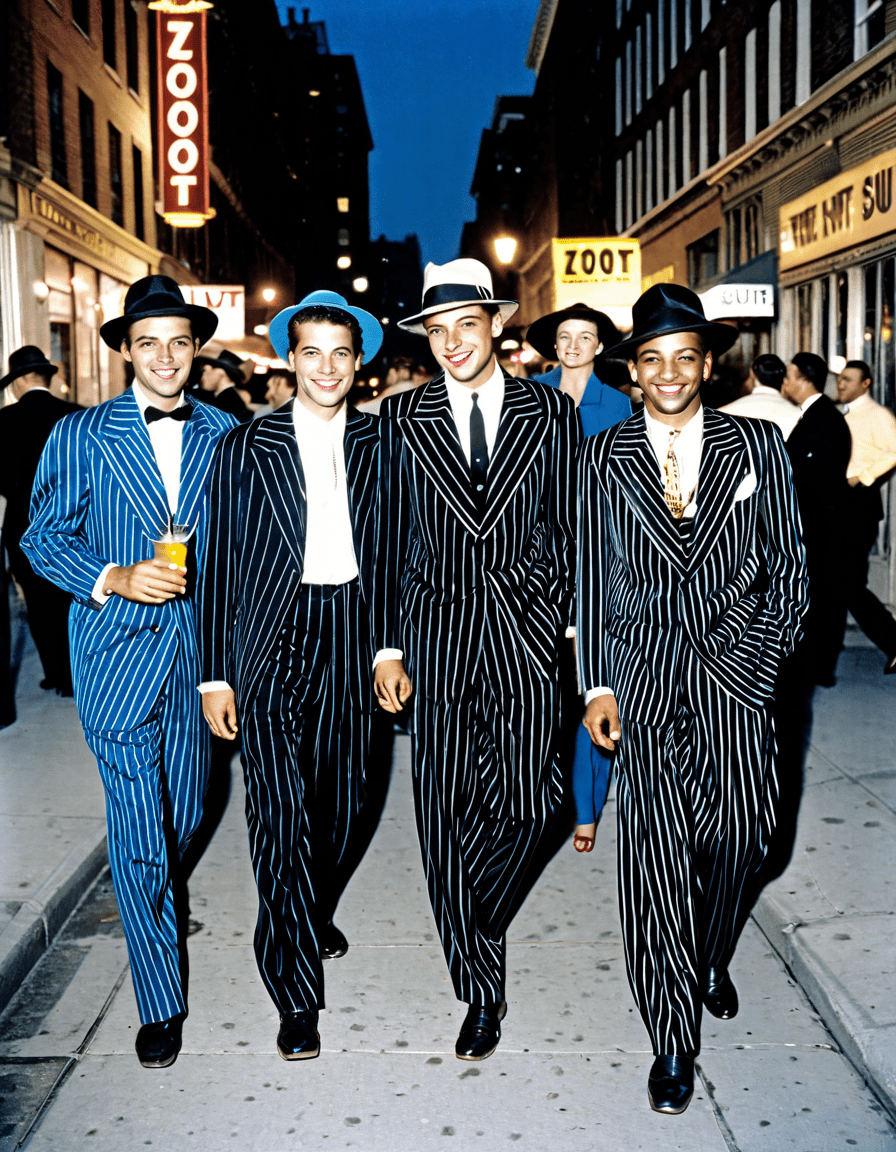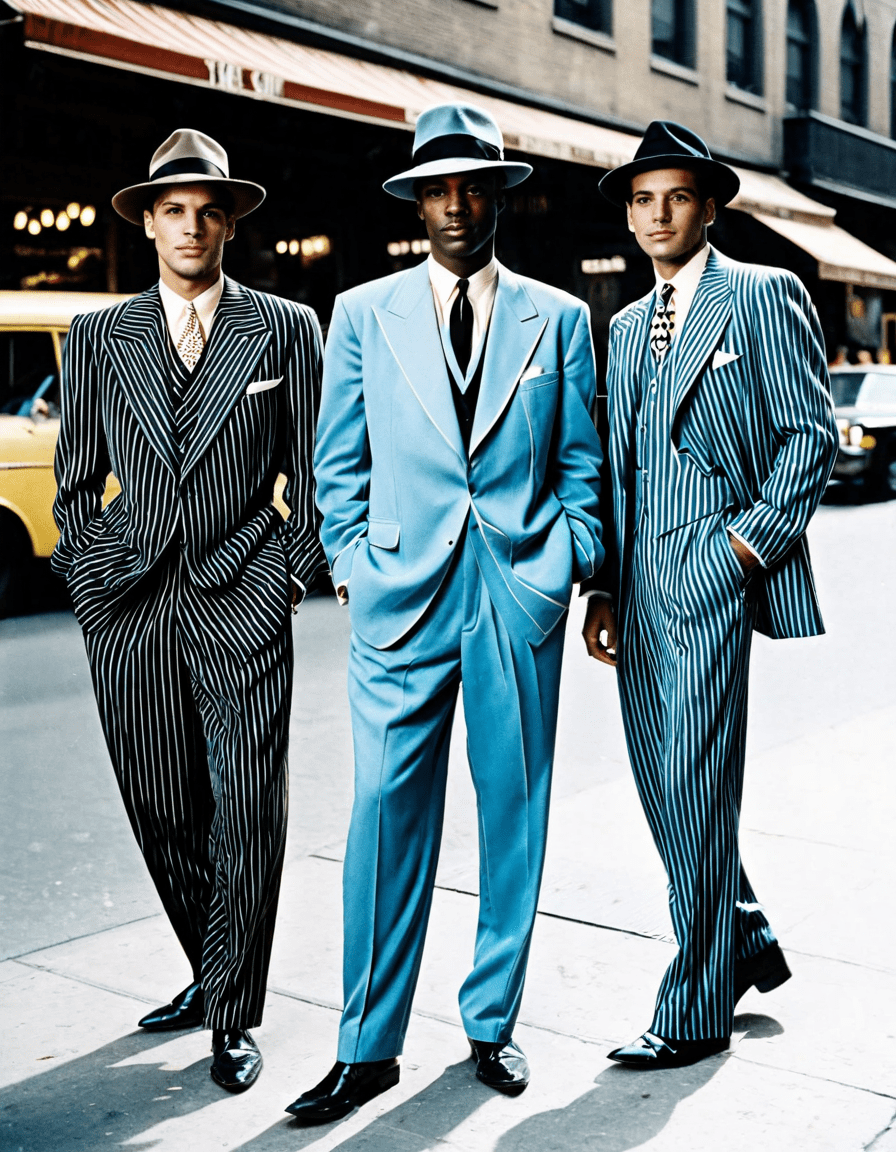
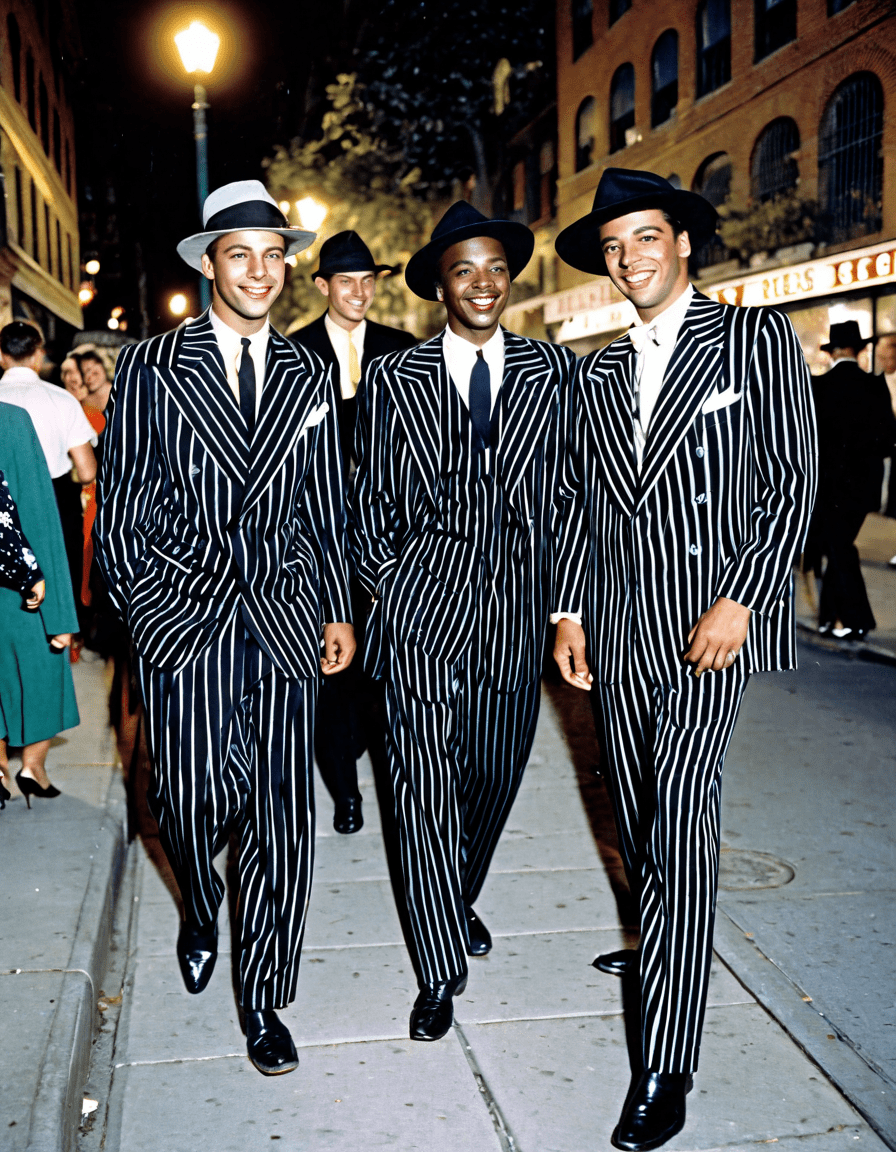
The zoot suit is so much more than just a look; it’s a bold proclamation of identity, rebellion, and pride that emerged from the vibrant heart of American culture. Originating in the 1930s, primarily within African American and Latino communities in urban centers like Harlem and Los Angeles, the zoot suit was characterized by its high-waisted, wide-legged trousers and oversized jackets made from bright, eye-catching fabrics. When you think about the zoot suit, it’s essential to recognize that while it represents a style, it also ignited discussions about race, identity, and cultural pride that continue to resonate today.
So why does the zoot suit matter? Well, it symbolizes a pushback against societal norms during an era fraught with challenges for immigrants striving to carve out a place in the American tapestry. It was a proud declaration of culture, self-worth, and the joy of living that stood loud against the backdrop of adversity. The zoot suit remains a powerful reflection of resilience, influencing not just fashion but igniting conversations that shape our understanding of cultural identities today.
The Origins of the Zoot Suit
The zoot suit’s roots can be traced back to the Harlem Renaissance, where it flourished as an emblem of individualism and resistance. As African American and Latino youths began to embrace this style, they found a way to express themselves, countering the oppressive societal norms of the time. The flashy fabrics and bold designs appealed not just to their aesthetic sensibilities, but also to their desire for recognition and respect in a society often determined to ignore or diminish their contributions.
It was not just a fashion statement; it was a statement of existence in a world that demanded conformity. This new style quickly spread from Harlem to Los Angeles, where it became synonymous with the youth culture of the time. The zoot suit not only redefined elegance but challenged traditional notions of masculinity and femininity, asserting that it’s perfectly acceptable to stand out and celebrate individuality.
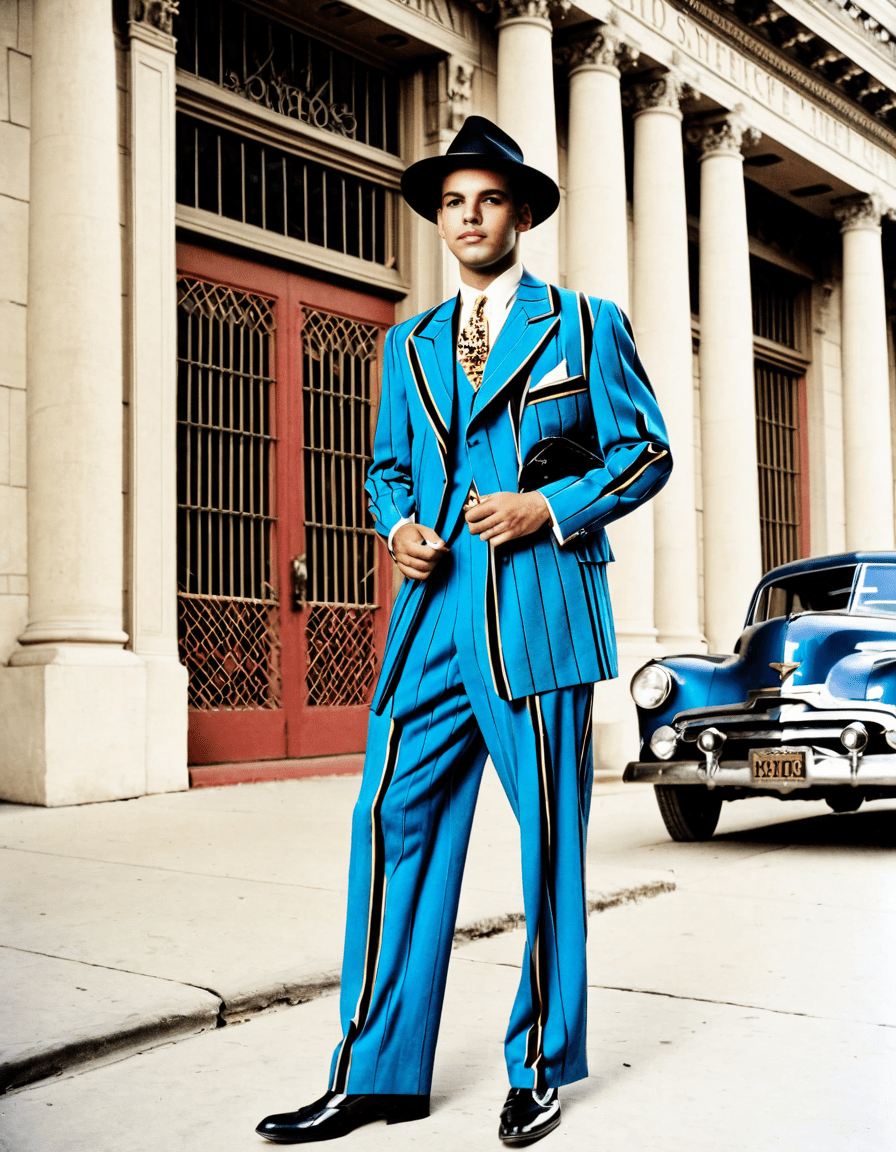
Top 5 Cultural Moments that Shaped the Zoot Suit Legacy
The journey of the zoot suit is interwoven with significant historical events that have propelled it into the cultural zeitgeist. Let’s explore the top five moments that underscore the zoot suit’s legacy and its impact on societal norms.
1. The “Zoot Suit Riots” of 1943
You can’t discuss the zoot suit without addressing the Zoot Suit Riots of 1943. When chaos erupted in Los Angeles, U.S. servicemen unleashed their frustrations on zoot suiters amidst the backdrop of World War II. These riots highlighted deep-seated racial tensions, ultimately propelling civil rights into the public consciousness. Artists like Paul Robeson stood up for those targeted, reinforcing how fashion galvanized a fight for social justice.
2. The Influence of Pop Culture Icons: Sideshow Bob & Punky Brewster
From animated comedy to children’s television, the zoot suit has touched various pop culture realms. Take Sideshow Bob from “The Simpsons,” whose flamboyant looks encapsulate the spirit of the zoot suit with an exaggerated flair. On the flip side, Punky Brewster introduced the vibrant colors and unique styles reminiscent of zoot suit fashion, creating a lasting impact on fashion for younger audiences. This cross-pollination underscores fashion’s ability to influence and reflect societal values across generations.
3. The Chicano Movement and Fashion Resistance
As the civil rights movement took center stage, the zoot suit found new life within the Chicano Movement of the 1960s and 70s. Fashion became a tool for resistance, as leaders like Salvador “Chava” de la Rosa proudly donned zoot suits during protests. Wearing a zoot suit ignited pride in culture and a belief in fighting for equality. As rhetoric shifted, so did the idea that style could be a form of activism.
4. Chuck E. Cheese and Family Entertainment Culture
In unexpected ways, the zoot suit even trickled into family entertainment culture. Think about the zany world of Chuck E. Cheese, where animated characters express themselves through fun attire. This connection to childhood culture echoes the joyful expression found in the zoot suit, reminding us of our innate desire to celebrate uniqueness as essential to American identity, regardless of age.
5. Modern Fashion Brands Embracing the Zoot Suit Trend
Fast forward to today, and you’ll find contemporary fashion brands like Moschino and Gucci turning to the zoot suit aesthetic. Moschino incorporated the zoot suit silhouette into its 2023 collection, redefining traditional gender norms while paying homage to the original style. These modern takes highlight how the essence of the zoot suit lives on, challenging current beauty standards and embracing creativity.
The Social Impact of the Zoot Suit: The Conversation Continues
The zoot suit isn’t just a nostalgic relic; it fosters ongoing discussions surrounding race, identity, and societal norms. Its boldness empowers marginalized communities to assert their identities when faced with adversity. Fashion becomes a catalyst for social change, igniting conversations about acceptance, resistance, and pride.
As conversations around equity and representation continue to evolve, the essence of the zoot suit inspires artists and activists alike to resist conformity. It serves as a rallying cry for those who desire to shift the dialogue toward recognizing dignity and self-acceptance. In light of today’s challenges, the zoot suit legacy showcases the unending power of style in combating prejudice and driving change.
Embracing the Zoot Suit Legacy in Today’s Context
Today, the zoot suit’s influence can be observed in high fashion and streetwear alike. Artists like Solange and musicians like Bad Bunny embody elements of the zoot suit ethos, pushing boundaries while remaining fiercely proud of their heritage. Their choices reinforce that embracing one’s roots can coexist beautifully with forward-thinking aesthetics.
The zoot suit continues to frame a conversation about how fashion can serve as a vehicle for social dialogue, bridging gaps between generations. It encourages individuals to explore cultural heritage while redefining what’s beautiful and acceptable in contemporary society. The enduring legacy of the zoot suit reminds us that fashion isn’t merely about looks; it’s about identity, resistance, and expression.
Ultimately, as we navigate this complex world, we must remember the zoot suit’s powerful function as a cultural symbol. Recognizing its multifaceted history opens up discussions about who we are and what we stand for. Fashion, in all its forms, is not just fabric; it’s a movement—a movement that champions the beauty of diversity and the importance of standing proud, no matter what the world throws our way.
The Zoot Suit: A Fashion Revolution
The Birth of the Zoot Suit and Cultural Significance
The zoot suit made waves in the 1940s, not just for its flashy style but as a bold statement of identity and resistance among young Latino, African American, and Italian youths. Think about it—this outfit, with its oversized jackets and tapered pants, was a departure from the conventional norms of the time. It was a way to express individuality during a period of racial tension. Rather than conform to the mainstream, those wearing zoot suits challenged societal expectations. In many ways, it mirrored the groundbreaking narratives of films like Top Gun 2 where characters push boundaries and redefine their roles.
A Zoot Suit and Iconic Cultural Moments
Alongside its fashion statements, the zoot suit era coincided with significant cultural milestones. Just as the zoot suit came to symbolize a fight for civil rights, it laid the groundwork for future artistic movements. For instance, remember how the rebellious spirit of zoot suit-wearers resonates in today’s music and award shows? Look at the latest Grammy Winners who embody that same flair, turning heads with their eclectic styles. Plus, it’s fun to consider how influences from styles like the zoot suit have reached modern icons, including Brittany O’Grady, who often blends retro vibes into her red carpet choices.
The Lasting Impact of the Zoot Suit
Unquestionably, the zoot suit left a legacy far beyond its fabric. Its influence is evident in various pop culture phenomena. For example, think about how today’s entertainment channels occasionally draw inspiration from such classic styles—just like the bold performances of Alice Cooper echo the fearless attitudes of zoot suit wearers. Additionally, even modern gaming, particularly popular series like the Street Fighter Games, often showcase characters reflecting diverse and unique sartorial choices, much like the zoot suit itself. In essence, this pivotal fashion piece serves as a reminder that clothing can be more than just a cover; it can fuel cultural discussions and drive forward movements for change.