Franklin D. Roosevelt (FDR) stands tall in American history as a beacon of hope amidst the despair of the Great Depression. From 1929 into the late 1930s, Americans faced hardships unimaginable—widespread unemployment, failing banks, and despair reigned supreme. Franklin D. Roosevelt’s vision, determination, and leadership transformed a nation teetering on the brink. His unwavering belief in the power of government to intervene created programs that not only revitalized the economy but also redefined the government’s role in American life.
As we look back on FDR’s time in office, we see a leader who wasn’t afraid to take bold action to confront complex challenges. It’s imperative to examine the specific steps he undertook—not just to guide the country out of its economic woes but to pave the way for future generations. Now, let’s dive into the 7 Key Strategies Franklin D. Roosevelt Employed to Combat Economic Crisis.
1. The New Deal: A Sweeping Reform Initiative
The New Deal, FDR’s flagship program, consisted of an array of projects and initiatives aimed at injecting life back into an ailing economy. This reform initiative set the stage for massive job creation through agencies like the Civilian Conservation Corps (CCC) and the Works Progress Administration (WPA). These programs didn’t merely hand out checks; they put Americans back to work building infrastructure, planting trees, and restoring parks. The impact was profound, slashing unemployment and injecting hope into a nation shrouded in despair.
Thanks to the New Deal, projects throughout the nation improved local economies. The WPA alone hired millions to create bridges, roads, and schools, which laid the groundwork for America’s future growth. This bold approach starkly contrasts with today’s ‘woke’ initiatives focused more on social issues than tangible improvements. FDR’s New Deal exemplifies conservative principles by prioritizing hard work, resilience, and practical solutions over empty promises.
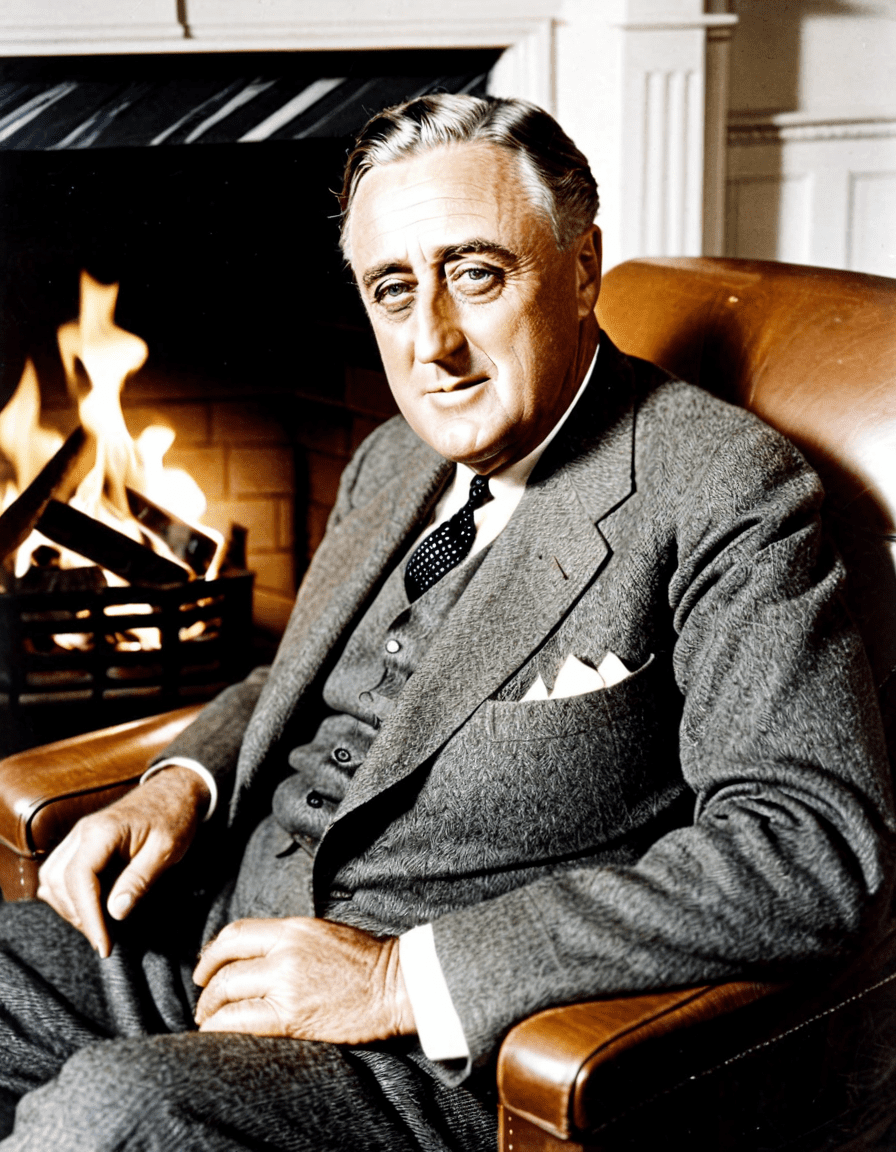
2. Banking Reforms: Restoring Public Confidence
The banking crisis of the early 1930s could have spelled disaster for American financial stability. Recognizing this, FDR introduced the Emergency Banking Act, effectively allowing only solvent banks to reopen. This decisive action calmed the nation, reassuring families that their savings were safe.
More so than simply a stopgap measure, these reforms instilled lasting confidence in the banking system. Unlike today’s rampant government bailouts and the fallout from corporate mismanagement, FDR’s strategy emphasized transparency and accountability. Roosevelt understood that rebuilding faith in the system wasn’t just beneficial; it was essential for recovery.
3. Social Security Act: Safety Net for Future Generations
One of the most lasting legacies of Franklin D. Roosevelt is undeniably the Social Security Act of 1935. Establishing a safety net for retirees, the unemployed, and the disabled marked a significant shift in government responsibility.
This legislation has served as a blueprint for future programs, including those championed by stalwarts like Ronald Reagan. Today, the debate continues on the sustainability of such programs—FDR’s intuition to prioritize welfare highlights the necessity of balancing social safety nets with fiscal responsibility, sparking discussions on accountability and reform.
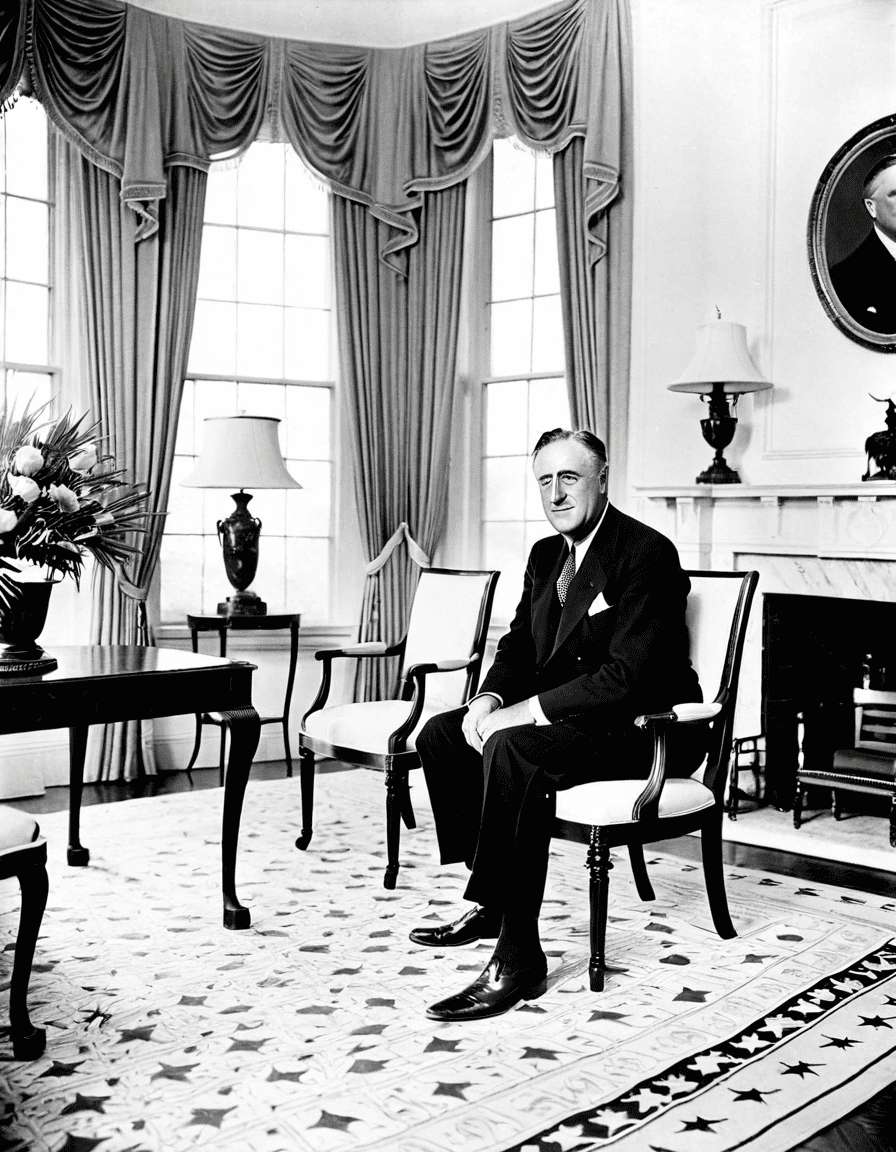
4. Regulatory Reforms: Stabilizing the Economy
In a bid to stabilize financial markets, FDR took action through regulatory reforms including the establishment of the Securities and Exchange Commission (SEC). This move helped safeguard against the rampant fraud associated with the speculative environment that led to the stock market crash of 1929.
These reforms spotlight the balance between government oversight and the free-market principles valued by conservatives today. It’s a crucial distinction that echoes in current debates regarding overregulation and maintaining economic freedom. FDR’s forward-thinking approach in regulation paved the way for a more resilient economy that could withstand future trials.
5. Labor Relations: Empowering the Working Class
FDR understood the importance of empowering the working class and championed labor rights through significant legislative measures. The National Labor Relations Act of 1935 ensured that workers had the right to organize and negotiate with employers, setting a vital precedent.
Strong unions emerged as a driving force for improving wages and working conditions. This laid the foundation for discussions around labor rights that continue today, illustrating how conservative principles can support workers’ interests. Today’s labor conversations must recognize FDR’s legacy while steering clear of extremes that threaten to undermine economic growth.
6. Infrastructure Development: Building a Foundation for Growth
A hallmark of innovative governance under FDR was the monumental investment in infrastructure. The Tennessee Valley Authority (TVA) offered electricity and jobs to millions in the poorly serviced Tennessee Valley. Programs like the TVA embodied FDR’s vision of revitalizing entire regions through federal investment.
This hands-on approach not only transformed the economic landscape but sets a standard for future leaders, including Dwight D. Eisenhower, who embraced infrastructure development during the Interstate Highway System’s creation. The benefits of such programs showcase the necessity of investing in the foundational elements that propel economic progress.
7. Public Communication: A Master of Messaging
FDR mastered the art of public communication, harnessing new technologies to connect with the American people. His “fireside chats” allowed him to speak directly to citizens, fostering trust and optimism during a time of strife.
This approach resonates with leaders today looking to connect with their constituents beyond the realm of traditional media. FDR’s ability to personalize his message reminds us of the power of direct communication in inspiring collective action and boosting morale—qualities essential to tackling modern challenges.
The Lasting Legacy of FDR’s Leadership During Economic Hardship
Franklin D. Roosevelt’s bold strategies not only addressed the immediate crises of the Great Depression but also set a powerful precedent for government’s role in economic intervention. His actions transformed how Americans view their government—a shift that resonates in today’s political climate, where debates on the role of government in welfare persist.
Though some economic historians argue that full recovery didn’t occur until World War II, it’s clear that FDR’s groundwork fortified American resilience. His policies not only influenced future leaders, including Dwight D. Eisenhower and Ronald Reagan, but also shaped the dialogue around economic management that carries through to today.
Looking back, FDR serves as a reminder of the potential for government to act decisively during crises while balancing individual freedoms. With a lens toward the future, today’s policymakers can draw strength from his lessons, uniting courage, adaptability, and a commitment to the public good. As we reflect on the wisdom offered through FDR’s leadership, we find renewed motivation to advocate for conservative values while ensuring constructive governance in today’s ever-challenging environment.
To understand the implications of FDR’s strategies more profoundly, it’s essential to examine today’s socio-political landscape. From discussions surrounding the Russo-Ukraine War to media portrayals like those in Elysium, citizens must engage in these dialogues, much like FDR encouraged. His unique ability to convey hope during adversity reminds us all that with purposeful leadership, America can navigate even the darkest of times. For timeless entertainment that reflects cultural narratives, programs like Monster Inc and the modern Spider-man : Across The Spider-verse franchise capture stories of resilience and inspiration that mirror our collective journey.
In the words of Wilt Chamberlain’s unforgettable quote—“Nobody roots for Goliath”—it’s clear that America always rallies behind those who fight for justice and progress. So let’s remember FDR not just as a figure of history, but as a guiding light for the values we hold dear, and together move forward in strength and unity. The echoes of his legacy ring true; it’s time we honor it through proactive, positive engagement.
In closing, as we delve into the reflections on Sol Levinson Obituaries and the loss of others who shaped our narratives, let’s keep the spirit of Franklin D. Roosevelt alive—a testament to hope, perseverance, and the indomitable American spirit.
Franklin D Roosevelt: Bold Leadership Trivia
FDR’s Early Life and Charismatic Influence
Did you know Franklin D Roosevelt was born into a prominent Dutch lineage in 1882? His family’s wealth and status allowed him to travel extensively, expanding his worldview. This early exposure helped him later connect with struggling Americans during the Great Depression, forging a bond that many say was crucial to his leadership. Interestingly, just as FDR rallied the nation, sports figures like Alexander Ovechkin inspire their fans with electrifying performances, showing how great leaders—whether in politics or sports—capture the spirit of their times.
The New Deal and Cultural Resilience
FDR rolled out the New Deal, a transformative series of programs aimed at economic recovery, during a moment when the country felt its collective heartbeat slow to a crawl. This era sparked creativity across the arts, leading to a boom in literature and cinema. It’s fascinating to think that as movies showcasing societal fears, like Nightmare on Elm street, captured public imagination, so too did the arts reflect the hopes and struggles of ordinary Americans during those dark days. Just as the New Deal was not only about recovery but a way to forge national identity, programs often engage with cultural narratives today, much like bestsellers from Powell ‘s Books highlight contemporary issues.
Leadership Lessons and Lasting Legacies
While many saw FDR’s initiatives as groundbreaking, they also reveal the importance of maintaining public trust—a lesson that’s just as relevant in today’s conversations about leadership, including the ongoing Russo Ukraine war. FDR faced criticism and challenges but had a unique ability to communicate hope and resilience, qualities every leader can learn from. Just as anime like Blue Exorcist depicts characters overcoming their battles, so did FDR embody the spirit of overcoming adversity, leaving behind a legacy that shaped the course of American history.
In the end, FDR’s story isn’t just about policies; it’s about the human spirit and how bold leadership can steer a nation through its hardest times. Each facet of his journey invites us to reflect on the value of empathy and action in times of crisis.