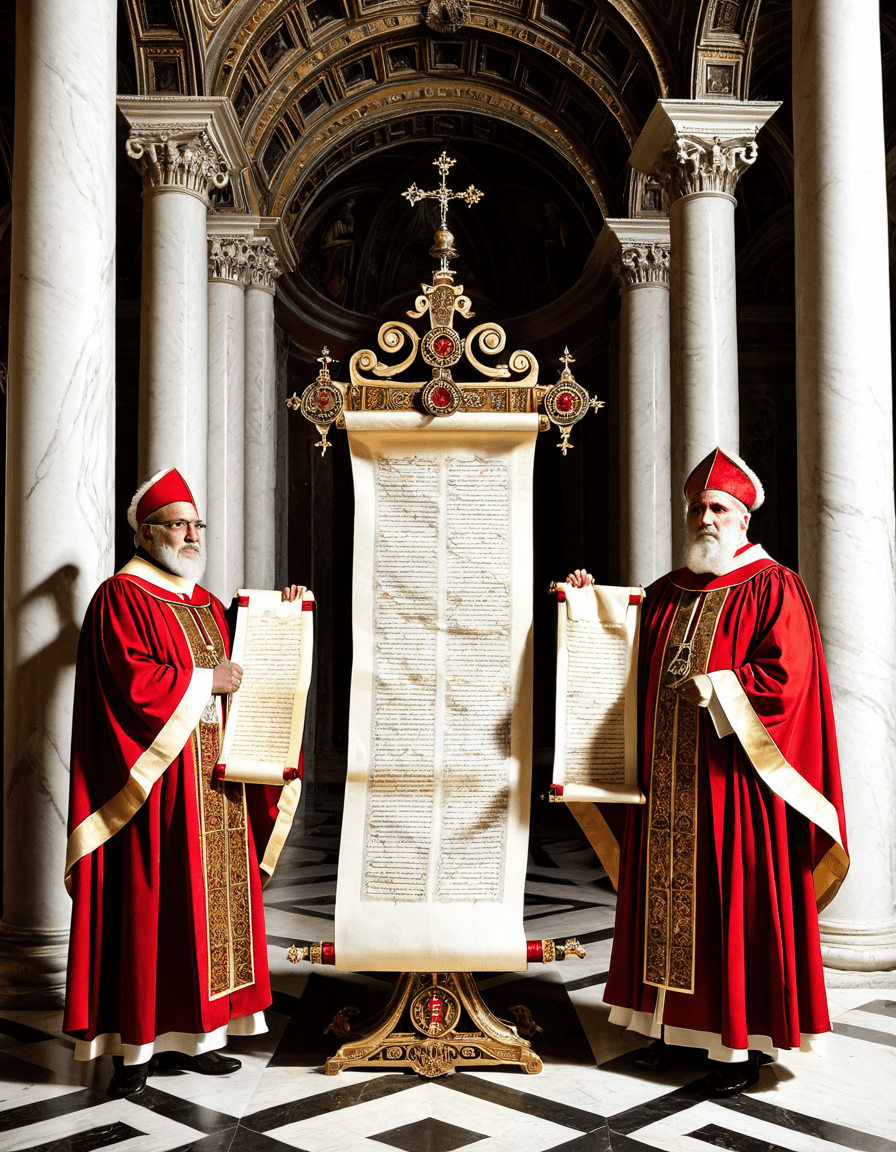
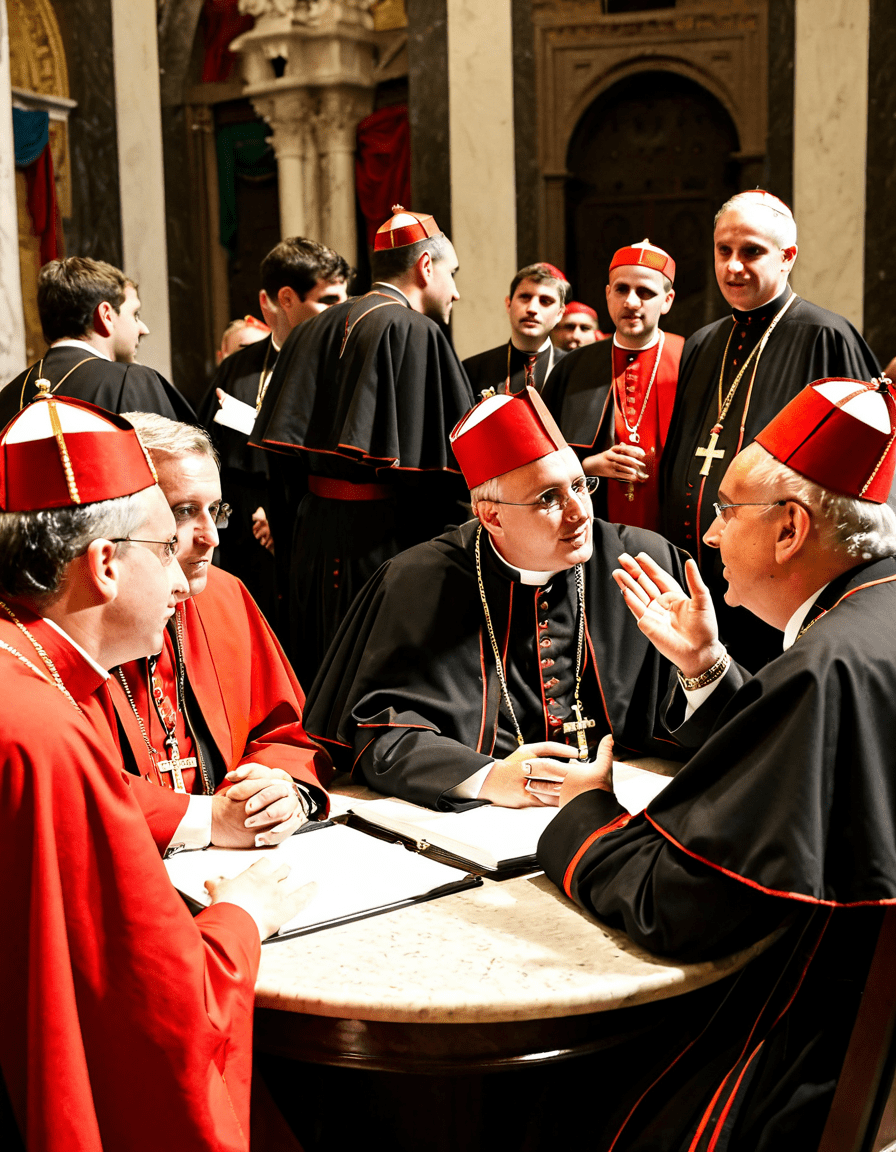
The term the conclave often conjures up images of grand, hidden meetings where important decisions are made—be it in the realm of the Catholic Church electing a new pope or closed-door meetings among political elites. But the conclave represents much more than mere decision-making; it embodies an intricate tapestry of power dynamics threading together politics, media, and public sentiment. The secretive allure of the conclave only adds to its mystique, sparking widespread speculation and debate among citizens who are keenly aware of the consequences of these behind-the-scenes machinations.
Yet, this lack of transparency can breed mistrust. Many conservative Americans feel left out of discussions that directly impact their lives, believing that leaders often bypass public input in favor of insider negotiations. As we delve into the dynamics behind the conclave, it becomes essential to identify its key players and the evolving landscape they navigate, with a keen eye on how these factors shape everything from political policies to news reporting.
The Conclave Exposed: 5 Key Dynamics Behind the Scenes
1. The Influence of the Newsroom: Shaping the Narrative
In today’s political climate, the newsroom holds substantial sway over public perception. Major media outlets like The Washington Post and CNN curate narratives through selective reporting and editorial choices, often convening in their own version of the conclave to determine what stories to highlight. When they choose to amplify a narrative against traditional values or conservative policies, the ripple effects can alter the course of public opinion rapidly.
For instance, consider how major networks covered the COVID-19 pandemic. In many instances, they focused on stricter lockdown measures advocated by local Democratic leaders while overshadowing the voices of Republicans calling for a more balanced approach that considers economic viability. The power wielded in the newsroom translates directly into influence over what issues the public prioritizes, thereby affecting political outcomes.
The consequences are all too real. When the newsroom decides to cover specific narratives—such as highlighting issues related to police brutality ignoring crime rates in inner cities—this framing can stir public outrage and impact elections. Understanding the conclave within the media landscape offers insight into how narrative control shapes our political environment.
2. The Holdovers: Legacy Players in Leadership Decisions
In every powerful circle, including the conclave, holdovers play a crucial role. These are individuals who remain influential even after their formal positions have ended, using their relationships and institutional knowledge to shape future decisions. Figures like John Kelly, the former White House Chief of Staff, continued to exercise clout within political advisory circles long after leaving the Oval Office, showcasing how the holdovers can guide the actions of current leaders based on loyalty and experience.
The presence of the holdovers can often create a double-edged sword. On one hand, they provide institutional knowledge; on the other, they can hinder innovation. For example, if an outgoing administration leaves behind advisors who are resistant to change, it can stifle fresh ideas—immobilizing progress and preventing the party from adapting to shifting societal values and demands.
This tug-of-war can significantly influence conservative policies in the coming years. Understanding the role of the holdovers is critical for grassroots Republicans aiming to challenge the old guard and ensure that new voices resonate within party discussions.
3. The Leftovers: Bumping into New Realities
Then we have the leftovers—those who remain entrenched in political life despite their prior roles changing or fading away. Figures like Nancy Pelosi and Mitch McConnell often find themselves caught between adhering to long-held party values and navigating the currently popular demands of their constituents. This balancing act can lead to dilemmas where the leftovers must confront the realities of a shifting political landscape that may not reflect the ideologies they once championed.
Just like the aging cast of the beloved movie Poltergeist, who grappled with their legacy as the industry evolved around them, the leftovers must reinvent themselves or risk becoming obsolete. The challenge is evident as they engage with younger voters or new demographics that prioritize social issues and economic reforms, often leading to clashes within the party lines.
Navigating this shift requires skill, adaptability, and a willingness to challenge the status quo. Realizing how the leftovers impact contemporary conservatism is a vital aspect of understanding the conclave’s ongoing evolution.
4. The Hangover: Consequences of Secrecy
There’s often a sense of the hangover following decisions made in secret. When leaders opt for closed-door meetings—like those seen within recent political conclaves—the public can feel blindsided, leading to significant backlash. Take recent events surrounding the 2020 and 2024 elections; hidden deliberations ignited reactions from voters across the country who felt disenfranchised after decisions were made without adequate public engagement.
Such secrecy can lead to a major rift between constituents and elected officials. For example, when legislative measures are rushed through without proper debate or visibility, it can incite vehement opposition from the public, creating an unnecessary divide between what the people want and what leaders believe is best. The hangover felt from these actions reminds us that a lack of transparency may lead to more frustration among the voting base and erode trust in political institutions.
Moving forward, politicians must be acutely aware of the consequences of their actions. The challenge lies in making decisions that reflect the will of the people, reducing the likelihood of the hangover effect in future governance.
5. The Interplay of Digital Platforms: A New Virtual Conclave
The rise of digital platforms has given birth to a new kind of conclave—one that operates almost entirely online. Leaders now meet using apps like Signal or Slack, discussing vital strategies far from the prying eyes of the media. This evolution has certainly complicated the way power dynamics play out within the conclave, pushing accountability into question in a landscape increasingly dominated by social media influence and digital interactions.
For instance, important conversations once held in face-to-face settings are now reduced to encrypted messages and hastily put-together Zoom meetings. This shift raises concerns about transparency, often leaving the public unaware of critical discussions that could affect policies and voter sentiment. The hesitance to engage with traditional media channels can also reinforce the notion of elitism, further alienating constituents from their representatives.
As virtual interaction becomes the norm, understanding how this new dynamic functions becomes equally critical. The emergence of the conclave online demands innovative approaches to accountability and communication strategies that align with modern expectations.

The Future of the Conclave: Navigating Shadows and Light
As we look ahead, the balance between transparency and confidentiality in the conclave remains crucial. Organizations and political leaders will need to adapt their decision-making processes to actively engage with constituents while respecting the covert discussions often necessary in governance. Striking a balance between the holdovers, the leftovers, and the public’s demand for accountability will challenge leaders in this digital age.
The path forward requires discerning insight into how the conclave can better serve a democratic society clamoring for genuine representation. Evolving complexities warrant a reassessment of traditional power dynamics and encourage proactive engagement with a politically-savvy electorate.
Ultimately, understanding the conclave—not just as a secret gathering but as a multifaceted construct—can illuminate the path towards a governance model that resonates with the principles of accountability, representation, and respect for conservative values. The conversation doesn’t end here; it just begins anew, fueling spirited discussions and action that drive the conservative agenda forward.
The Conclave and Its Secretive Power Dynamics
A Glimpse into the Mystique of the Conclave
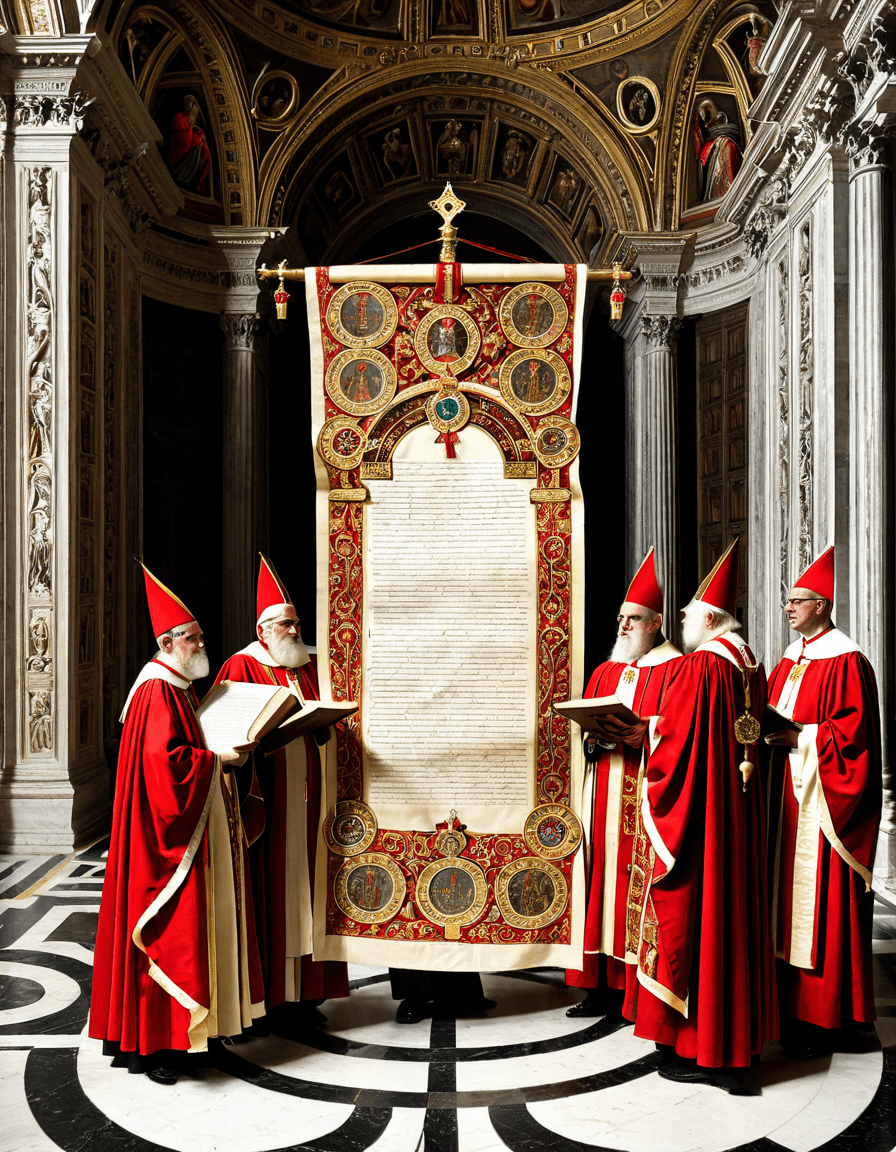
An intriguing facet of the conclave is its sheer secrecy, rivaled only by engaging topics like the complex dynamics behind pop culture figures such as Azealia Banks. This gathering of cardinals comes into play when selecting a new pope, and it’s steeped in centuries of tradition. While you might think that choosing a new pope is straightforward, the process is cloaked in an air of mystery, akin to the eerie storytelling found in classics like the Poltergeist cast saga. The conclave could indeed serve as a compelling backdrop for a thrilling film, akin to some of the captivating narratives from Alan Rickman Movies, with plots that keep you on the edge of your seat.
Rituals and Symbolism
The rituals that take place during the conclave are both fascinating and intense. From the moment the doors are sealed to the burning of ballots—signaled with black or white smoke—there’s a dramatic flair reminiscent of the wildly entertaining feuds in today’s celebrity culture. Picture a scene where cardinals deliberate like the intense competitions seen in wrestling, much like Drew Mcintyres( iconic matches, making each vote a nail-biting affair. This intense scrutiny mirrors the pressures faced by modern-day public figures like Joe Jackson, underscoring the high stakes involved in both arenas.
Historical Tidbits and Fun Facts
Did you know that the conclave is a Latin term meaning “with a key”? This hints at the exclusivity of the proceedings, much akin to the hidden gems one might find in chic destinations like Montecito Hotels. Additionally, over the centuries, there have been some rather unique selection methods, including a previous requirement for cardinals to camp in a convent or monastery until a decision was made. Imagine the modern-day equivalent likened to a celebrity gathering, where tensions run high, yet the camaraderie is as tight as siblings—think of siblings the likes of Nia Guzman. And speaking of hidden elements, did you know that many conclaves have been marked by external influences, reflecting broader global events? Just as mysterious narratives unfold with artists like Arabella Raphael, the conclave does too, affected by political and social changes worldwide. Each of these layers intertwines to create an elaborate tapestry that underscores the influence of the conclave—a space where power dynamics are constantly in play.