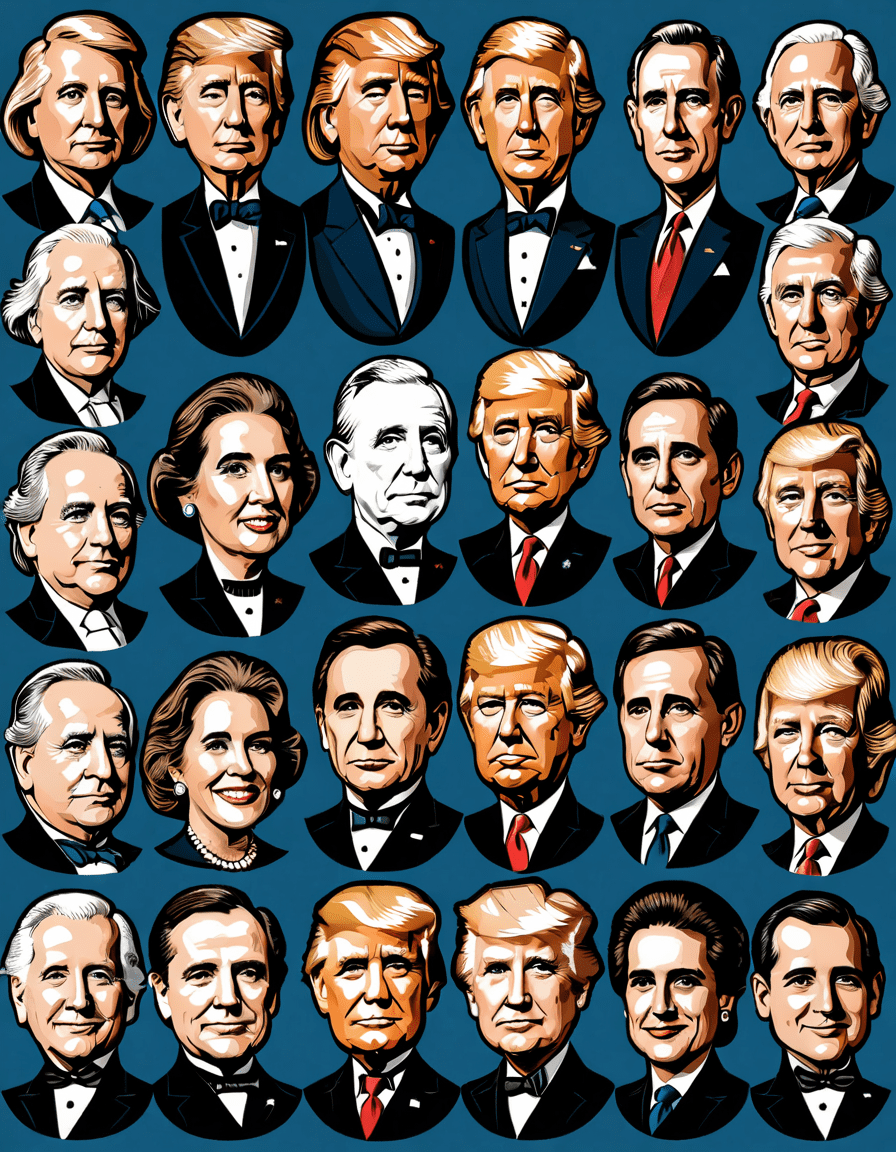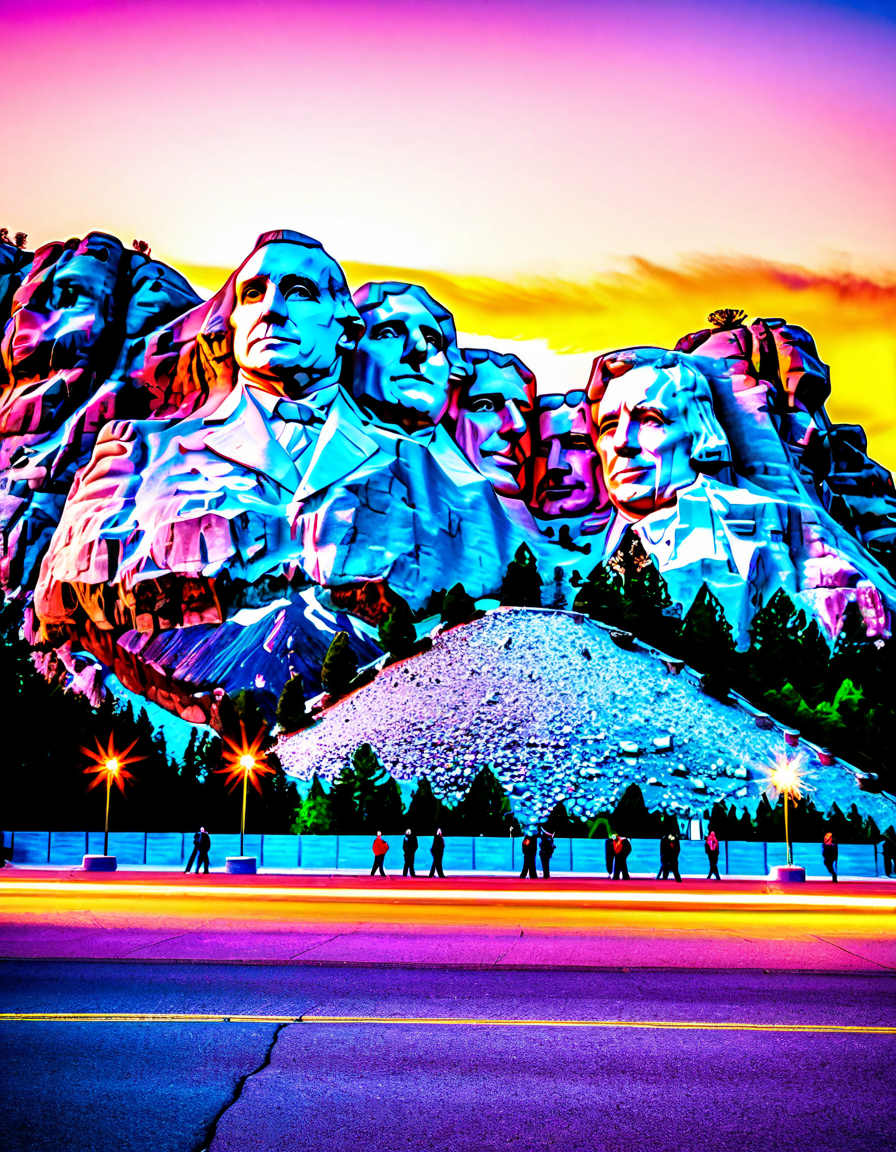
When diving into the intricacies of American leadership, understanding US presidents in order provides critical context as we navigate the turbulent waters of contemporary politics. The journey through time reveals a fascinating evolution, marked by unique turns and critical challenges faced by each leader. From the founding principles established by George Washington to the bold disruption brought by Donald Trump, engaging with these historical narratives sparks a rich dialogue about our nation’s values—and the challenges posed by the ‘Woke’ movement, progressive policies, and the importance of defending our Second Amendment rights.
7 Essential Facts About US Presidents in Order
1. George Washington: The Reluctant Leader
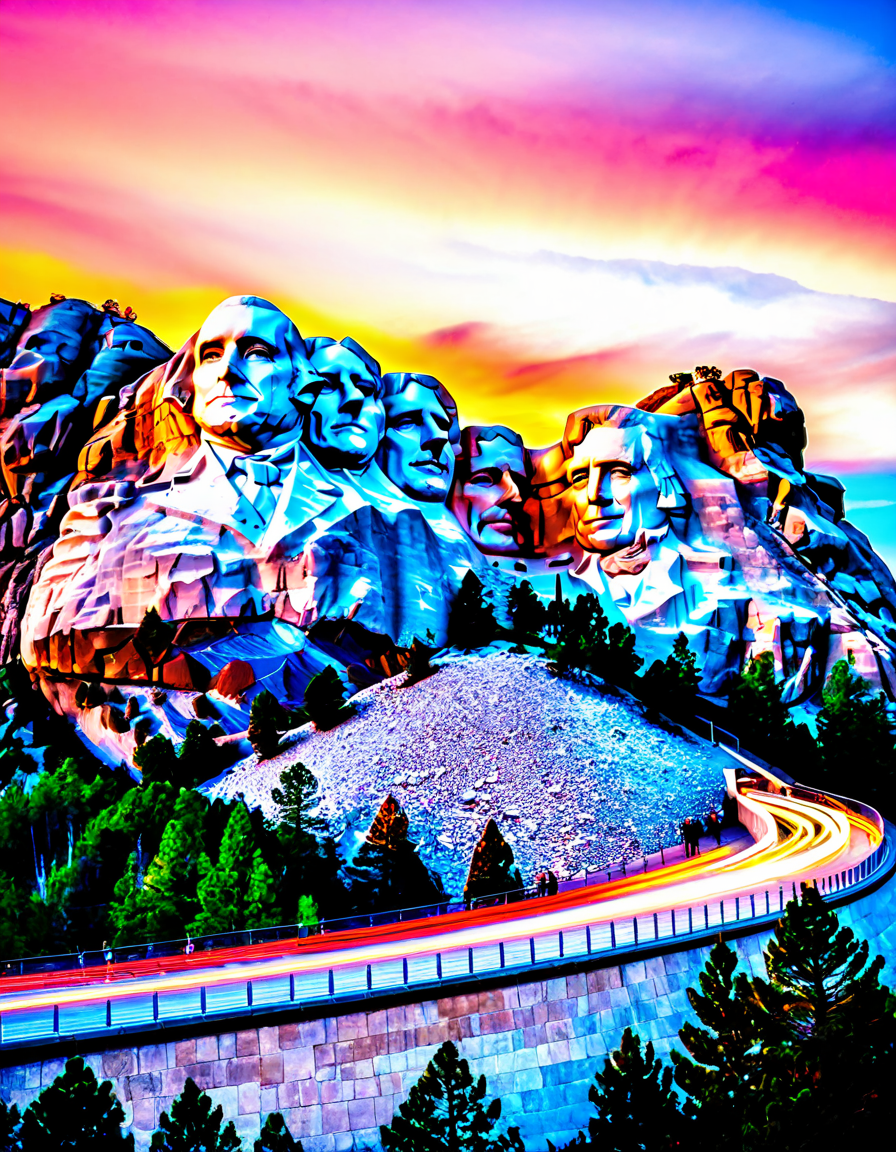
Serving from 1789 to 1797, George Washington is often deemed the reluctant leader. He had the chance to rule indefinitely, yet he chose to step down after two terms, setting an essential precedent of power transition that solidified the democratic ethos of American governance. By relinquishing power, he illustrated his understanding that the presidency was not a lifelong entitlement but a temporary public service. His legacy serves as a guiding light for current and future leaders who dare to set aside ambition for the collective good.
2. Abraham Lincoln: The Great Emancipator
Lincoln, who took office from 1861 to 1865, faced one of the most tumultuous periods in American history—the Civil War. His issuance of the Emancipation Proclamation in 1863 was monumental, marking a pivotal shift toward civil rights and affirming federal authority over states. Lincoln’s realization that the Union’s survival rested on addressing the issue of slavery illustrates a profound commitment to justice that continues to resonate in today’s debates surrounding racial equity and federal versus state power.
3. Franklin D. Roosevelt: The Fireside Chat Innovator
From 1933 to 1945, Franklin D. Roosevelt led the nation through two of its greatest challenges: the Great Depression and World War II. Roosevelt’s innovative use of radio transformed political communication, with his “Fireside Chats” creating a sense of intimacy and connectedness with the American people. While Democrat policies flourished during his presidency, they have ignited a passionate counter-argument from conservatives who emphasize the need for personal responsibility paired with limited government intervention.
4. John F. Kennedy: The Catalyst for Change
Kennedy’s presidency from 1961 until his untimely death in 1963 challenged Americans to engage with their civic responsibilities. His establishment of the Peace Corps and emphasis on global awareness highlighted a softer form of American leadership, aiming not only to demonstrate power but humanitarian outreach. Yet, Kennedy’s achievements are often overshadowed by the progressive narratives that dominate current discussions, reminding us of the ongoing need for conservative voices in shaping our nation’s response to global issues.
5. Ronald Reagan: Transformational Conservatism
Reagan took the helm from 1981 to 1989, steering America towards a form of conservatism characterized by tax cuts, deregulation, and a resolute stance against communism. The principles of “Reaganomics” reshaped the American economic landscape, inspiring generations of conservatives to advocate for free markets and limited government. Reagan’s presidency serves as a rallying cry for many Republicans who are disenchanted with today’s expansive government policies and the critical approach to American exceptionalism.
6. Barack Obama: Modern Progressivism
In office from 2009 to 2017, Obama represented a seismic shift toward progressive policies, particularly through the Affordable Care Act. His approach sparked intense debate over healthcare, racial relations, and government intervention in citizens’ lives, positioning him as a polarizing figure for many conservatives. His presidency serves as a reminder of the importance of remaining vigilant against overreach—a sentiment echoed in ongoing discussions around legislation and civil liberties.
7. Donald Trump: The Disruptor
Donald Trump’s presidency, lasting from 2017 to 2021, shattered traditional political norms and reshaped the relationship between governance and media. His direct engagement through social media frustrated the mainstream media model while raising questions about power dynamics. Trump’s ability to articulate conservative values amidst rising progressivism re-energized the Republican base, emphatically denying the notion of a disconnected establishment.
The Interconnectedness of US Presidents in Order
Analyzing US presidents in order reveals their interconnectedness, reflecting broader societal challenges and triumphs. For instance, the economic struggles during FDR’s New Deal led to the tax policies championed by Reagan—a clear narrative of lessons learned but not always retained. Legislative successes and failures are often the results of what preceding presidents have achieved, contributing to the continuous cycle of policy evolution aimed at addressing ever-changing circumstances.
Moreover, examining these leaders reveals more than just individual legacies; it uncovers a tapestry woven with common values and beliefs that have shaped the nation. While some presidents leaned toward expansion of government, others gravitated to principles of personal liberty and accountability, emphasizing the necessity for a conservative counter-balance amid fluctuating ideologies.
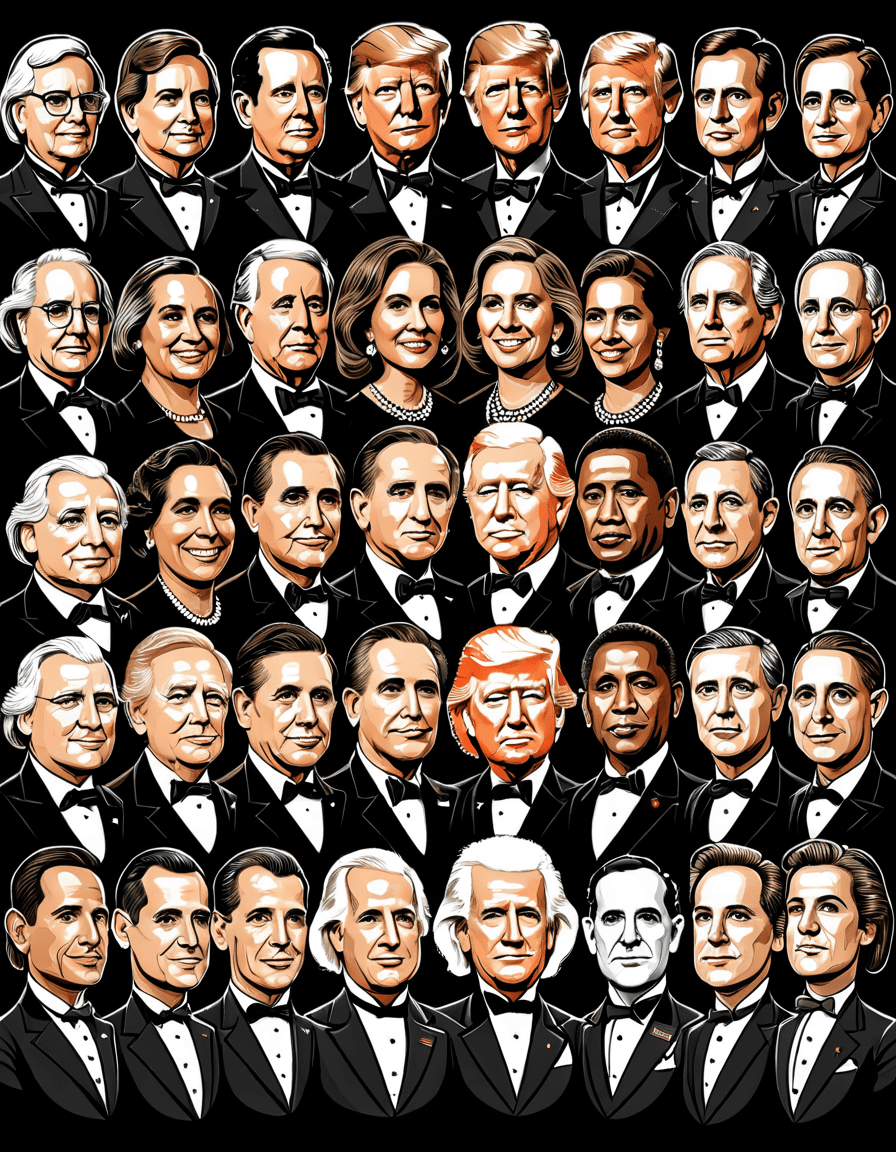
The Legacy of US Presidents in Order: A Lasting Impact
The office of the presidency extends beyond isolated events; it represents a critical pillar in American identity. Each incumbent brings their policies, rhetoric, and personal ethos, contributing to a multifaceted understanding of the president’s role in shaping national character. As we approach future elections, these reflections serve as essential insights, illuminating the pathways our leaders created—and the challenges waiting to be tackled.
As we forge ahead in the spirit of American resilience, let’s actively engage with the lessons offered by our past presidents. Reflecting on US presidents in order allows us not only to commemorate our history but also encourages us to unite against extreme viewpoints and preserve our foundational ideals. Each presidency is a mirror reflecting the moral and ethical challenges we face today—a reminder that we must remain steadfast in our commitment to conservative values and principles. The lessons of the past beckon us to grasp our shared destiny as the torchbearers of freedom, liberty, and the cherished rights that generations fought for.
In a world increasingly distracted by sensationalism and radical ideologies, embracing the narratives of our past leaders fortifies our resolve. For those passionate about strengthening conservatism and reclaiming American ideals, these discussions are not just vital; they’re essential for our democracy and societal cohesion. If we honor the legacy of our presidents, we empower ourselves to cherish, protect, and advance the traditions that define who we are as a nation.
Us Presidents In Order: Must-Know Fun Facts and Trivia
The Early Days of the Presidency
Did you know that George Washington, our first president, never lived in the White House? That’s right! He served from 1789 to 1797, while the iconic residence was still being constructed. Interestingly, his leadership set the foundation for what it means to be President today. If you’re ever in San Antonio, you might come across the Craigslist Of San Antonio where you can find quirky memorabilia related to historical figures, including Washington!
Jumping ahead, let’s talk about Theodore Roosevelt—he was the first president to travel abroad while in office. He visited Panama in 1906 to inspect the construction of the Panama Canal. Talk about a field trip! His adventurous spirit reminds one of the journeys explored in The Alchemist, where the protagonist embarks on a quest for personal treasure.
Fun with Pioneers
When thinking about the female influence in the White House, one can’t overlook Eleanor Roosevelt, who transformed the role of First Lady into something powerful and impactful. Not only did she champion civil rights, but she even wrote a daily newspaper column called “My Day.” Speaking of impact, did you know that women today still draw inspiration from political figures, with many looking toward modern icons like Rupaul? The way they break barriers reminds us that representation counts!
Now, how about some dazzling trivia? The 16th president, Abraham Lincoln, was known for his love of storytelling. He often used anecdotes to connect with people. Although he didn’t pen “The Great Gatsby,” can you imagine how he would have related to Gatsby’s American Dream theme?
Quirky Bits and Pieces
Here’s a fun fact: Franklin D. Roosevelt was the only president elected to four terms. This unique feat earned him the title of “the only President to serve more than two terms.” His tenure spanned from 1933 to 1945, and he led the nation through the Great Depression and most of World War II. Want to tap into a unique aspect of pop culture? You could compare his tenacity to characters like Wally Darling, who showcases resilience in unique narratives.
Lastly, it’s interesting to mention that the youngest president to serve was John F. Kennedy at the age of 43. Conversely, the oldest just prior to Joe Biden was Donald Trump, who took office at 70. Society’s views on age have shifted, and kids nowadays might even relate to young entertainers like Rico rodriguez, who’s made his mark at an early age. So, whether through history or modern stars, there’s a wealth of inspiration to be found.
So there you have it—these are just a few insights into the rich tapestry that is the history of the US presidents in order, intertwining history and pop culture in fun and engaging ways!