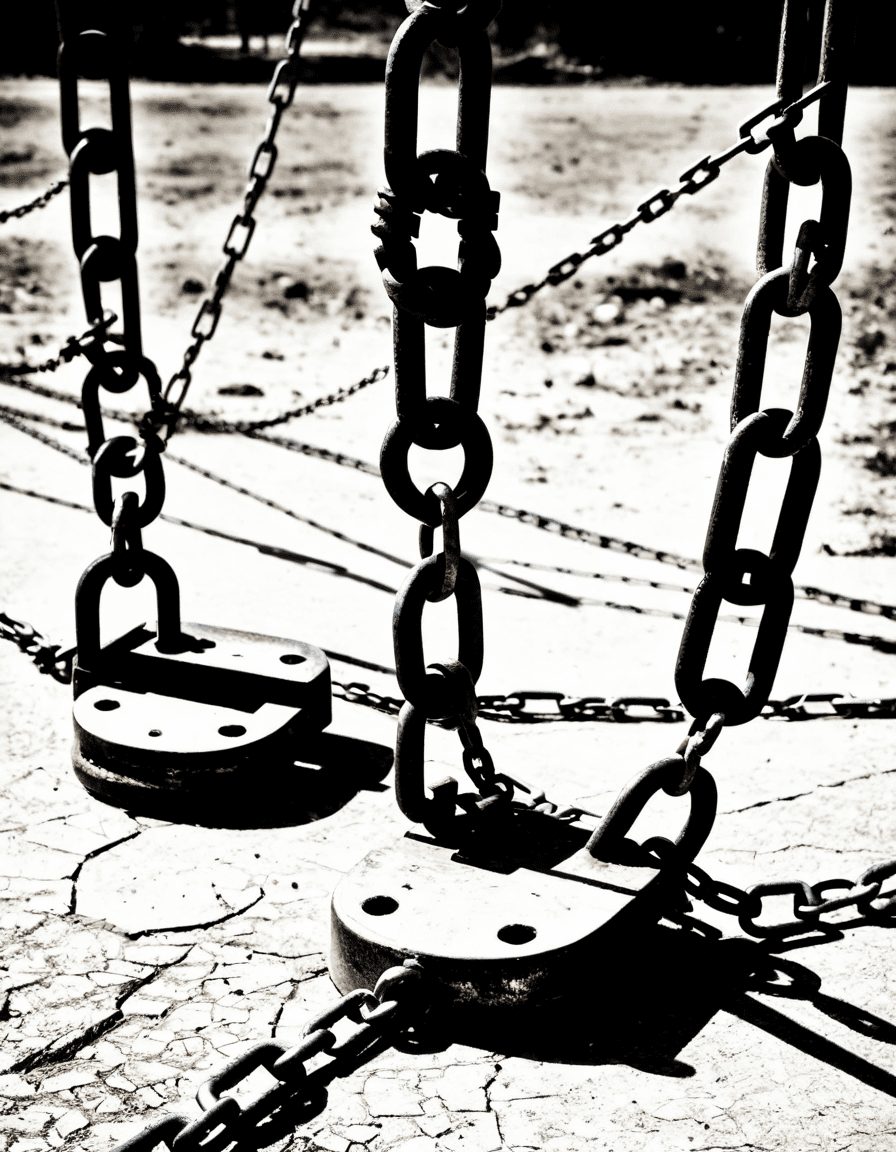
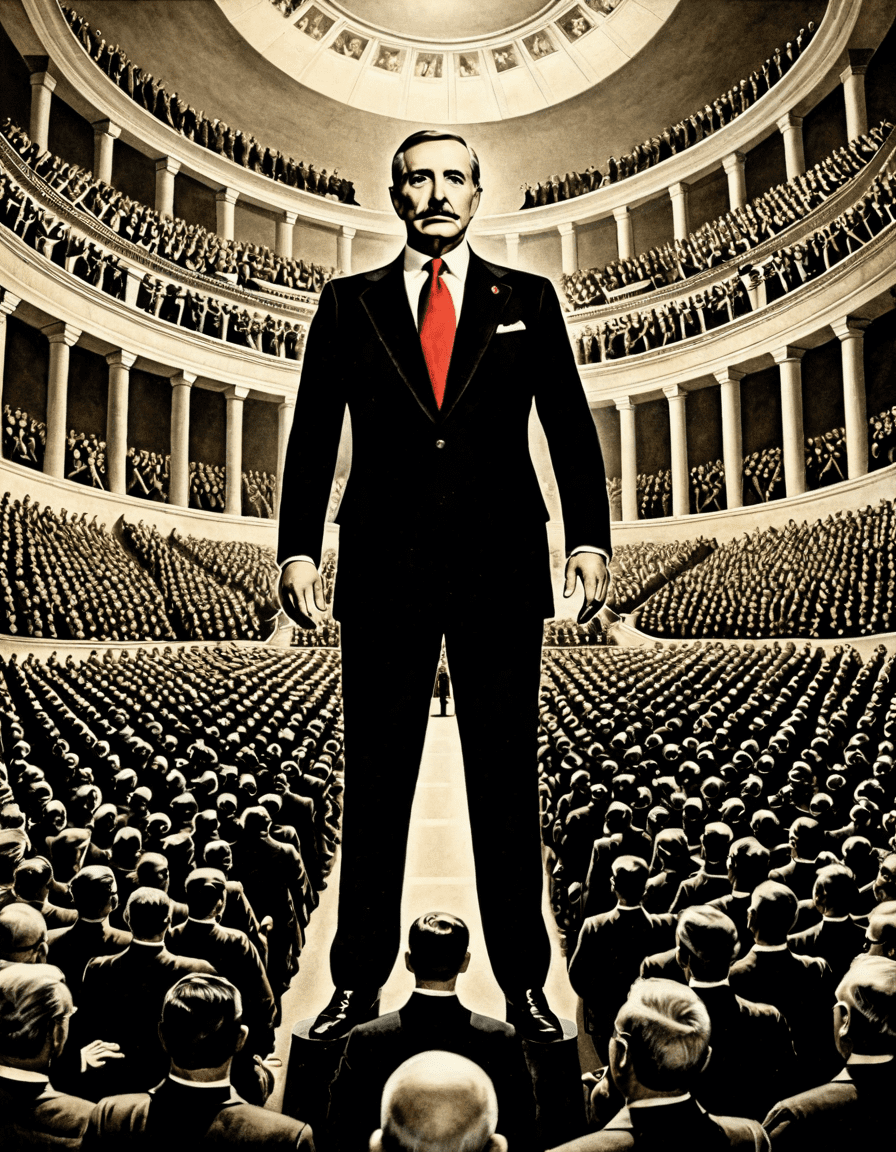
There’s no denying it: tyranny is alive and well in today’s society. It doesn’t always storm the gates with an army; sometimes it seeps in through a smile, a legislative proposal, or a kind word. Under the guise of addressing societal needs, political leaders impose restrictions that rot away at individual liberty. This seemingly benign approach masks an alarming reality: the transition from well-intentioned policies into governmental overreach. We can’t afford to ignore it any longer.
The Faces of Tyranny: Disguise and Deception in Governance
In this day and age, governments become tyrannical not via military coups but rather through the insidious means of control wrapped in the cloak of benevolence. Just think about it—how often do we hear politicians promising safety by stripping our rights? These leaders exploit good intentions, using them as a smokescreen for a march toward authoritarianism. What starts as an effort to maintain order morphs into a stranglehold on freedom and individual rights.
We see this masquerade every day in the media’s portrayal of American governance. A recent example was the Diddy party video, where an atmosphere of celebration masked the economic and cultural chaos gripping our nation. It’s hard to draw the line when leaders promote bills that restrict freedoms while simultaneously claiming they are for our protection.
The grassroots movements we witness today are a reaction to this facade. Citizens are increasingly aware of how their freedoms are being chipped away, and this awareness is stirring a fight against tyranny. Yet, to reclaim our liberties, we need to recognize the subtle digs that slowly lead toward totalitarianism.
Top 5 Signs of Tyranny Hidden Behind Good Intentions
If you think your voice matters, think again. Social media giants like Facebook and Twitter have been on the frontline silencing dissent. For instance, during the COVID-19 pandemic, Twitter suspended numerous accounts that questioned the mainstream narrative. This is what tyranny looks like—it’s the fear of saying the wrong thing dictating what we can express publicly.
Ever wonder why you feel like you’re always being watched? The rise of surveillance systems is masked with promises of safety. Agencies like the NSA have expanded their reach into our daily lives, infringing upon our privacy and freedoms. Devices like Ring show that even our front doors aren’t safe, leading us to a society where distrust flourishes and liberties vanish.
The Affordable Care Act was lauded for expanding healthcare access, but let’s look closer. With mandates on coverages and price controls, it undermined personal choice, steering citizens into a web of government control. It’s like committing larceny against personal autonomy—no one asked for that, yet policies were pushed through with smiles and flowery language.
Ah, the age of ‘fake news’—a term originated to distract from reality. During the 2020 election, we witnessed how both parties spread manipulated information to influence perceptions. The result? A culture brimming with distrust where the truth is obscured by agendas. That’s tyranny’s most insidious trait; it distorts feedback and orientation in society.
Who would’ve thought that equity could foster oppression? Policies like affirmative action often end up discriminating against individuals based solely on their race or gender. What should have been well-meaning initiatives transform into mechanisms of structural tyranny, creating divisions rather than unity.
The Midsomer Murders Analogy: Crime as a Metaphor for Modern Tyranny
Consider the British TV show “Midsomer Murders,” where idyllic towns conceal dark secrets. It’s not just a gripping storyline; it relates directly to our society. Beneath the surface of “normalcy,” modern governance breeds tyranny, causing foundational freedoms to wane. Just as the hidden crimes disrupt Midsomer, the imposition of governmental control under the idea of benevolence undermines democratic principles.
In both the show and our society, unchecked power leads to disastrous outcomes. Midsomer Murders teaches us that when we ignore the warning signs beneath a pleasant exterior, we risk falling prey to tyranny that poses as care. We must recognize those patterns in our real lives before it’s too late.
The Path Forward: Resisting Tyranny and Returning to Freedom
So what does the future look like? To combat creeping tyranny, we need a cultural and civic reset. Civic engagement is paramount. Grassroots efforts, like demands for police reform and advocacy for digital privacy, show that ordinary folks can counter government overreach. It’s the common people standing against the tide of control, and it’s inspiring to see.
Education about individual rights should flourish in communities. The more we know, the more responsive we can be. Those aware of their liberties are less likely to let them slip through their fingers. And let’s not forget the importance of utilizing technology. Innovations like blockchain can help ensure transparency, allowing citizens more agency over their data. Protecting our rights demands more than awareness; it requires action.
A Call for Vigilance and Action
We are living in a landscape where tyranny can wear the most charming disguises. Every one of us has a responsibility to remain vigilant against the erosion of our freedoms. If we neglect to scrutinize the motives behind political actions, we risk the far-reaching effects of tyranny disguised as societal good.
Take a stand! Let’s challenge the narrative. The surfaces may seem smooth, but we know there’s turbulence underneath. Freedom may be a right, but preserving it is up to us. Let’s push back against the tyranny that threatens our nation and empower each other to uphold our freedoms. Freedom is not merely a gift but a responsibility we must all embrace collectively. Together, we can safeguard our future.
Understanding Tyranny: A Dive Into Its Dark Corners
Tyranny Throughout History
Tyranny has often shown its ugly face in various forms throughout human history. From oppressive regimes to authoritarian leaders, its trajectory offers a wild ride through power’s corrupting influence. Did you know that the classic animated film, The Lion King, encapsulates the theme of tyranny in its plot? Mufasa’s murder by Scar serves as a stark example of betrayal and the dangers of unchecked power, reminding us that tyranny lurks even in the most unexpected places.
The Marks of Tyranny
Power tends to corrupt, and with that betrayal comes a toll on the human spirit. The skin metaphorically sheds its beauty under an oppressive hand. When tyrants reign, individuals often find themselves struggling for their fundamental rights. Speaking of struggle, former MLB star Dale Murphy, who famously stood up against unjust treatment in sports, embodies the spirit of resilience against authoritarianism. Sometimes, fighting tyranny is just like navigating through life’s many challenges, requiring grit and determination to come out on top.
The Stories We Share
In the modern digital age, numerous stories reveal the grim realities of tyranny, much like the unnerving facts in certain cult Documentaries that expose the manipulation of followers. These narratives across various expressions remind us of the extents to which power can go unchecked. Yet, much like the beloved cast of How to Train Your Dragon, there are heroes who strive to protect freedom and fight back against tyranny, showcasing courage and camaraderie amid oppression. Stories of resistance can inspire change, whether through art, rebellion, or even sports, revealing that we must stay vigilant against tyranny’s creeping grasp.
As we ponder our present, it’s clear that monitoring the United Airlines flight status can metaphorically represent our need to stay informed and ready to navigate the turbulence of modern tyranny. This constant awareness keeps us grounded in the pursuit of freedom, ensuring that we recognize and combat the tyrants of today and tomorrow. So, let’s keep learning, sharing, and standing up against tyranny in all its forms!